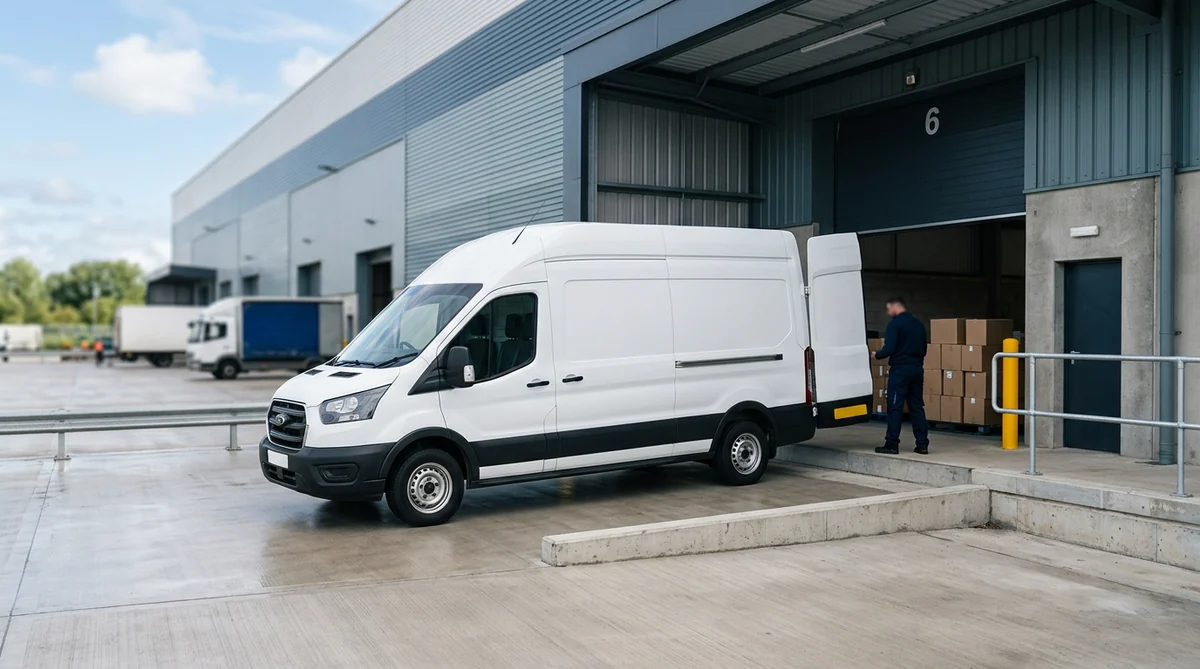
Financing a Septic Vacuum Truck
The vac truck is the most expensive thing you'll buy. How septic operators finance new and used pump trucks, what lenders look at, and how to keep a backup on the road.
Read moreEquipment, SBA loans, and working capital for septic pumping companies and portable restroom operators. Fast approvals nationwide.
Septic and portable sanitation businesses are capital-heavy and route-driven. The single most expensive thing you own is rolling stock — a vacuum truck can run six figures, and you may need more than one to keep routes covered when a unit is in the shop. On top of trucks, the work depends on specialized gear: high-pressure jetters to clear lines, drainfield and excavation equipment to install and repair systems, and, for portable sanitation operators, a deployable fleet of restrooms and restroom trailers that has to grow ahead of demand. Buying all of that outright ties up cash you need for fuel, disposal fees, and drivers.
Revenue patterns add a second layer of pressure. Residential pumping pays fast, but the contracts that scale a business — construction-site restroom rentals, municipal pumping and hydrant-flushing, septic service for property managers, and event sanitation — typically pay net-30, net-45, or net-60. Meanwhile, fuel, dump and disposal fees, and payroll are due every week. Pumping and portable sanitation are also seasonal in much of the country: spring through fall is peak, winter is lean, and the equipment you need for the busy season has to be paid for before the busy season arrives.
That's where industry-aware financing matters. Equipment loans, commercial vehicle financing, SBA programs, working capital, and lines of credit each solve a different piece of the problem. Axiant Partners connects septic pumping companies, drainfield contractors, grease-trap and portable restroom operators with lenders who understand the model — the truck values, the disposal-fee cash drag, the net-term contracts, and the seasonality. One application gets you matched with programs that fit your business profile. See all industries we serve, or apply now to see what you qualify for.
Most operators end up using a mix of products as the business grows. Here are the core options and how septic and portable sanitation companies typically use each.
Equipment financing covers vacuum trucks, pump trucks, jetters, drainfield and excavation equipment, and restroom trailers — new or used. The equipment itself collateralizes the loan, terms typically run 36-84 months depending on the asset, and decisions often come back in 24-48 hours. Spreading the cost of a $150,000 vacuum truck over its working life keeps cash free for fuel and disposal fees. See equipment financing options.
Service pickups, slide-in pump units, and route vehicles are financed the same way as equipment — with the vehicle as collateral and fast decisions. Most septic and portable sanitation companies finance vehicles individually as routes expand or replace aging units one at a time rather than fleet-wide. New or used, single truck or full route expansion. Explore commercial vehicle financing.
SBA 7(a) loans suit septic and portable sanitation route acquisition, expansion, and larger combined equipment-and-working-capital packages. SBA 504 is the right product if you're buying owner-occupied space for a yard, shop, or disposal facility. Approval typically takes 30-60+ days, but the longer terms (10-25 years) and lower down payments justify the wait when you're buying a route or a building. View SBA loans for septic companies.
Working capital covers fuel, disposal and dump fees, drivers, and inventory while you wait on net-30 to net-60 construction, municipal, and property-management invoices. It's also the right product for the ramp on a new contract win — when you need units, routes, and disposal lined up before the first invoice clears. Terms are short (typically 3-24 months) and decisions are fast. Explore septic company working capital.
A revolving line of credit is built for the in-between — bulk inventory purchases, fuel and disposal fees between contract invoices, an unexpected pump rebuild, or covering payroll the week a builder pays late. Draw what you need, repay as invoices clear, and only pay interest on the balance. Many septic and portable sanitation operators run a line alongside equipment financing as their default operating tool, especially to smooth the seasonal swing. Explore septic business line of credit.

Septic and portable sanitation companies finance a mix of heavy rolling stock, specialty service equipment, and deployable inventory. Below are the most common categories, typical cost ranges, and why operators finance rather than buy outright. Figures are illustrative ranges, not quotes.

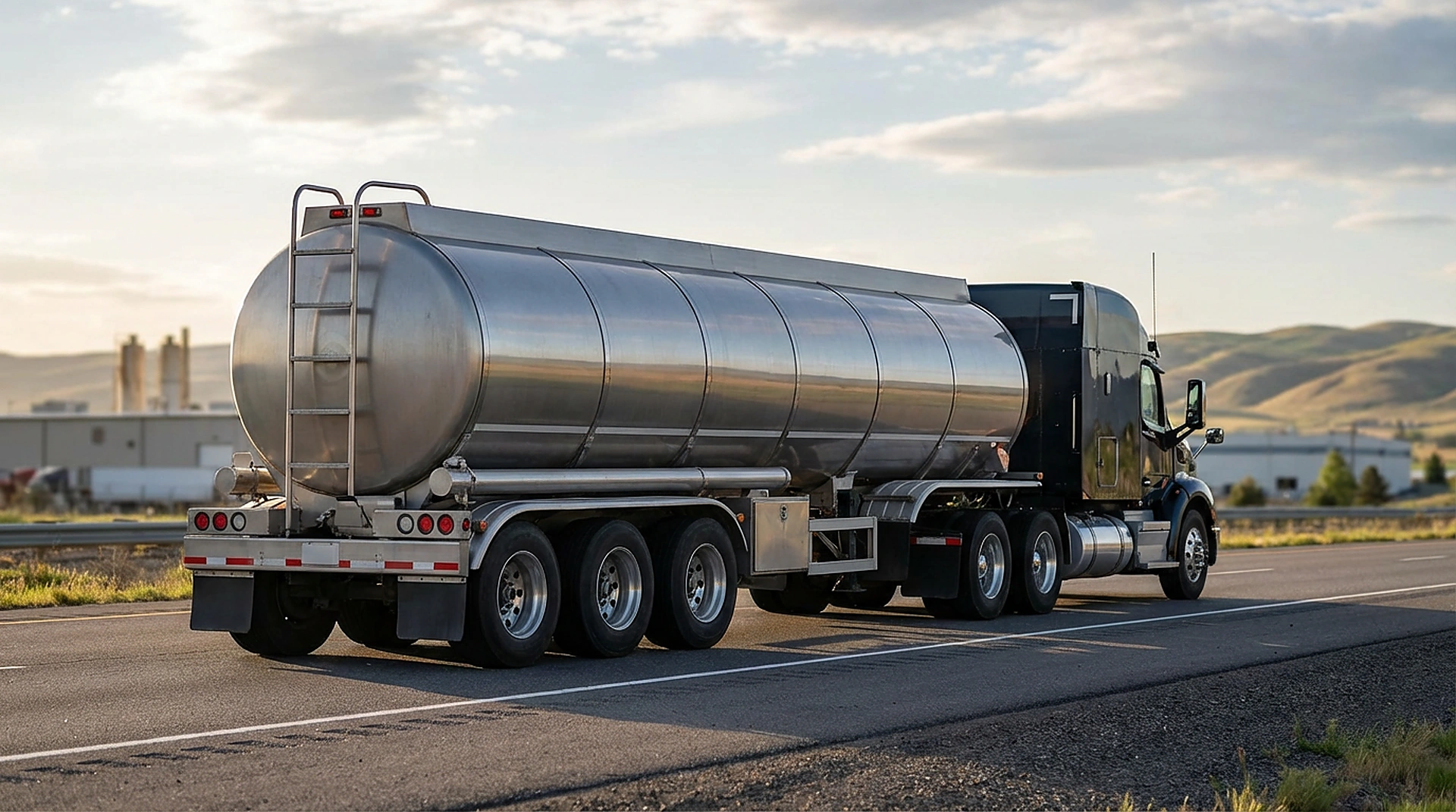
The vacuum truck is the core asset of any septic or portable sanitation business — tank, pump, and chassis built to pump and haul waste. New vac trucks typically run $100,000-$300,000 depending on tank size and configuration; quality used units $40,000-$120,000. Financing spreads the cost over the truck's working life and keeps a backup unit on the road. How to finance a vacuum truck

High-pressure water jetters clear roots, grease, and blockages from septic lines and laterals. Portable and cart units typically run $5,000-$20,000; trailer-mounted and truck-mounted rigs $25,000-$90,000+. Often the first equipment financed when a pumping company adds line-clearing as a higher-margin service. How to finance jetters

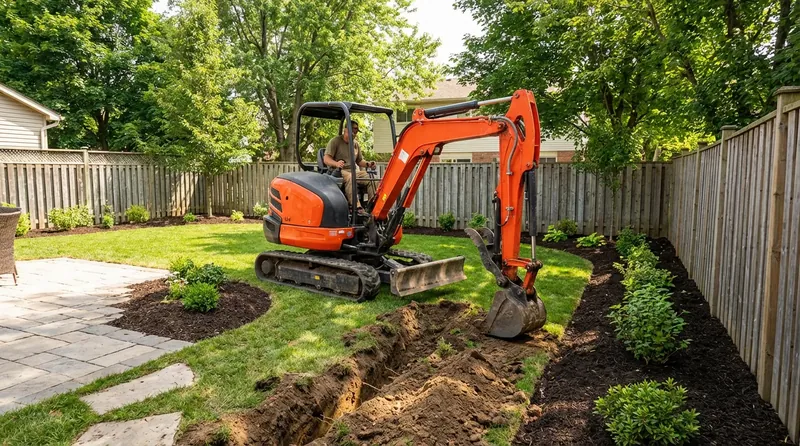
Mini excavators, skid steers, and trenchers install and repair tanks, drainfields, and leach lines. Mini excavators typically cost $40,000-$120,000; skid steers $35,000-$80,000. Financing aligns the payment with the equipment's multi-year working life and lets a pumping company add install-and-repair revenue. How to finance excavation equipment

For portable sanitation operators, inventory is the asset. Standard portable units are inexpensive individually ($600-$1,200 each) but are bought in volume; luxury and ADA restroom trailers run $15,000-$120,000+. Financing inventory in bulk lets you bid bigger construction and event contracts than your cash on hand would allow. How to finance a restroom fleet

Service pickups, cargo vans, and trucks fitted with slide-in pump units carry crews, hoses, and small loads between sites. New units typically run $40,000-$70,000+; quality used $20,000-$40,000. Vehicle financing works the same as equipment — vehicle as collateral, terms 36-72 months, fast decisions — and is the right way to add a route or cover a growing service area. How to finance route vehicles
The guides below cover the questions septic and portable sanitation operators ask most about financing trucks, restroom fleets, and the cash-flow gap on net-term contracts. For a full overview of equipment financing across all industries, see Equipment Financing. For all guide articles, see Equipment Financing Articles.
The vac truck is the most expensive thing you'll buy. How septic operators finance new and used pump trucks, what lenders look at, and how to keep a backup on the road.
Read moreIn portable sanitation, inventory is the asset. How to finance porta-potties and restroom trailers in bulk so you can bid bigger construction and event contracts.
Read moreFuel and disposal fees are due weekly; builders and cities pay in 30-60 days. How sanitation operators bridge the gap with a line of credit and factoring.
Read moreWhat credit profile septic operators need to qualify for vacuum truck, jetter, and excavation financing — and what to do if your score is below the typical threshold.
Read moreUsed vacuum trucks and jetters can be financed — but with different terms than new. What lenders look at and how to structure the deal for used rolling stock.
Read moreWhy most equipment loans get approved in 24-48 hours and what document delays slow that down. Critical when a truck goes down in the middle of peak pumping season.
Read moreLease or loan for a vacuum truck or excavator? How the math, tax treatment, and end-of-term options differ — and which structure typically fits septic asset cycles.
Read moreWhen a septic company should use straight equipment financing, when SBA 7(a) is the better tool for buying a route, and how to combine both.
Read moreZero-down financing is available for many septic operators — here's what credit, revenue, and equipment characteristics make it possible, and what it costs you in rate.
Read moreWhat credit score do septic and portable sanitation companies need for financing?
Equipment financing on vacuum trucks, jetters, and restroom trailers often accepts 600+ FICO, with stronger structures and rates above 650. SBA loans typically favor 650-680+ credit. Working capital and lines of credit vary by lender. Because a vacuum truck or restroom fleet collateralizes the loan, equipment-based options are usually the most accessible for septic and porta-potty operators with challenged credit.
Can septic companies finance used vacuum trucks?
Yes. Lenders finance both new and used vacuum trucks, pump trucks, and jetters. Used units may carry shorter terms (36-60 months) and rates based on age, mileage, tank condition, and pump hours. A clean, well-maintained used vac truck is routinely financeable, which matters in an industry where good used trucks hold value.
How fast can a septic business get equipment financing?
Equipment financing for septic and portable sanitation companies often receives decisions within 24-48 hours. SBA loans typically take 30-60+ days. Working capital and lines of credit can fund in days to a few weeks. When a truck goes down in peak pumping season or you win a new construction-site restroom contract, equipment and working capital are the fast-funding options.
How do portable sanitation companies use working capital?
Portable restroom and septic operators use working capital to cover fuel, disposal and dump fees, drivers, and inventory while waiting on construction, municipal, and event contracts that pay net-30 to net-60. Working capital also funds the ramp on a new contract win, when units, routes, and disposal must be in place before the first invoice clears.
Can septic and porta-potty companies get SBA loans?
Yes. SBA 7(a) loans can finance acquisition of an existing septic or portable sanitation route, fleet and equipment expansion, and working capital in one package. SBA 504 covers owner-occupied real estate such as a yard, shop, or disposal facility. For trucks or restroom inventory alone, traditional equipment financing typically funds faster (24-48 hours) than SBA (30-60+ days).
What financing is available to buy a septic or portable toilet route?
Route and business acquisitions in septic pumping and portable sanitation are commonly financed with SBA 7(a) loans, which can roll the purchase price, rolling stock, and working capital together over 10 years. Strong personal credit, industry experience, and the route's verifiable revenue and contracts improve approval odds. Equipment within the deal can sometimes be financed separately to speed funding.
What financing options are available for septic and portable sanitation businesses?
Septic and portable sanitation companies can access equipment financing for vacuum trucks, jetters, drainfield and excavation equipment, and restroom trailers; commercial vehicle financing for service trucks and route vehicles; SBA 7(a) and 504 loans for acquisition, expansion, and real estate; working capital loans for fuel, disposal fees, and payroll; and lines of credit for ongoing operations between contract invoices. Amounts typically range from $25,000 to $5,000,000.
Still deciding? Tell us about your business and compare real options. Free, no obligation, and checking won't affect your credit.
Septic and portable sanitation companies need financing built for the way the business actually runs — six-figure trucks that pay for themselves across years of routes, working capital that bridges net-60 construction and municipal invoices, restroom inventory financed ahead of the season, and SBA when it's time to buy a route or a yard. Axiant Partners connects septic pumping, drainfield, grease-trap, and portable restroom operators with lenders that offer the full mix. Submit your information once and we match you with programs suited to your business profile.
We also provide financing for plumbing, construction, and trucking businesses, plus other trades. View all industries.
See a rough monthly payment for a fixed-rate business loan. Adjust the amount, rate, and term to fit your scenario.
Estimate only — your actual rate and term depend on your business profile and the lender. Get matched for a real quote.