
Updated June 16, 2026
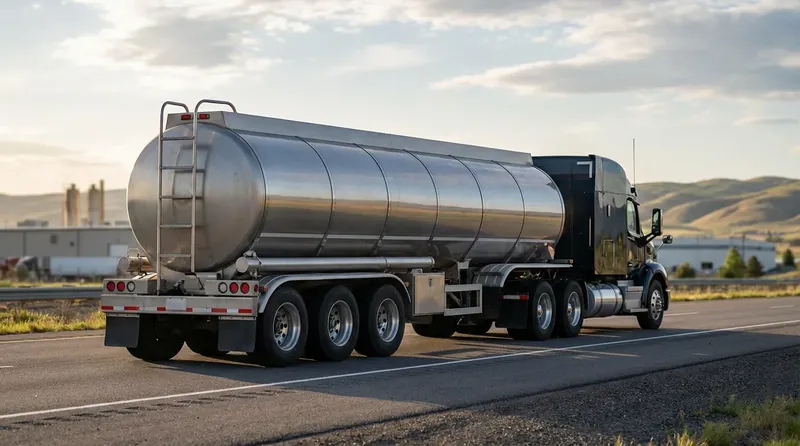
Why the Truck Is the Business
In septic pumping and portable sanitation, the vacuum truck isn't equipment you use to do the work — it is the work. No truck, no revenue. That makes it the highest-stakes purchase you'll make and the one where getting the financing right matters most. A single-truck operator who loses a truck for two weeks loses two weeks of income with bills still due; a multi-truck company without a spare ends up renting capacity or subcontracting at a loss. The way you finance trucks shapes how resilient the whole business is.
Buying a vac truck outright is rarely the smart move even when you can. A $150,000 truck paid in cash is $150,000 not available for fuel, disposal fees, payroll, or the second truck that lets you cover routes when the first is in the shop. Financing converts a single large outlay into a predictable monthly payment the truck more than earns back in revenue. The truck pays for itself across years of routes; your cash stays free to run the business.
What a Vacuum Truck Costs
Pricing spans a wide range because "vacuum truck" covers everything from a modest slide-in unit on a one-ton chassis to a heavy tandem-axle rig with a large stainless tank and a high-CFM pump. As a rough guide — illustrative ranges, not quotes — new vac trucks generally run $100,000 to $300,000+, driven by chassis size, tank capacity and material, pump type, and any specialty plumbing for grease, portable-restroom service, or industrial work. Quality used trucks commonly fall between $40,000 and $120,000 depending on age, mileage, pump hours, and tank condition.
Because the truck is so central, many operators don't buy the cheapest option — they buy the configuration that fits the routes they actually run, then finance it so the payment, not the price tag, is what they manage month to month. A bigger tank that means fewer trips to the dump site can pay for its higher price in fuel and labor saved.
New vs. Used: How Financing Differs
Both new and used vacuum trucks are financeable, and good used trucks are a staple of this industry because well-maintained units hold value. The differences show up in the terms. New trucks typically qualify for the longest terms (often up to 72-84 months) and the lowest rates, since the collateral is fresh and the useful life is long. Used trucks usually carry shorter terms (commonly 36-60 months) and rates set by the unit's age, mileage, and pump hours — the lender is matching the loan to the remaining working life of the asset.
A used truck with a documented service history, a sound tank, and reasonable pump hours is routinely financed. Where it gets harder is a very old unit, an undocumented private-party sale, or a truck with a tank or pump that needs immediate work. If you're weighing a used purchase, see can you finance used equipment for what lenders examine and how to structure the deal.
What Lenders Look At
Vacuum-truck financing is collateral-based, which works in your favor: the truck secures the loan, so the approval doesn't rest on your balance sheet alone. Lenders generally weigh a handful of things. Credit — equipment financing often starts around 600 FICO, with the best structures above 650; options exist below that, usually with a down payment or a higher rate. Time in business and revenue — more history and steady deposits widen your choices, though newer operators can still qualify, especially with a down payment. The truck itself — year, mileage, pump hours, and condition, since that defines the collateral. Down payment — zero-down is available for strong files (see no money down equipment financing), while 10-20% down lowers the rate and widens approval for thinner files. For the credit side specifically, see what credit score is needed for equipment financing.
Lease vs. Loan for a Vac Truck
You can finance a vacuum truck as a straight equipment loan or as a lease, and the right answer depends on how long you keep trucks and how you want to handle the tax side. A loan builds ownership — at payoff the truck is yours, which suits operators who run trucks for many years and want the asset free and clear. A lease can mean lower payments and a planned refresh cycle, with a purchase option at the end, which suits operators who like to roll into newer equipment on a schedule. Tax treatment differs between the two, and it's worth a quick conversation with your accountant. The mechanics are laid out in equipment leasing vs. loan.
A Worked Example
Say you're buying a used tandem-axle vac truck for $120,000 to add a second route. With strong credit you might finance the full amount over 60 months; a rough, illustrative payment in the range of $2,300-$2,700 a month is realistic depending on rate and structure (these are example figures, not a quote — run your own at the payment calculator). Now compare that payment to what the truck produces. A second route running steady residential and commercial pumping can generate many times the monthly payment in revenue. The payment is covered by the work the truck does, and at the end of the term you own a truck that, maintained, still has resale value.
The same logic answers the backup-truck question that keeps single-truck operators up at night. A second financed truck looks like an added monthly cost until the day your primary unit is in the shop — then the spare is the only reason you keep billing that week instead of losing routes to a competitor. In an industry where the truck is the revenue, redundancy financed at a manageable monthly payment is cheap insurance.
How Fast You Can Get Funded
Speed is one of equipment financing's biggest advantages over slower options. Decisions on a vacuum truck often come back within 24-48 hours, with funding shortly after the paperwork and the dealer or seller invoice are in. That timeline is built for the reality of the business: pumps and chassis break, and they tend to break in peak season when you can least afford downtime. Having a financing relationship lined up — or knowing you can get matched quickly — means a down truck becomes a short interruption instead of a lost month. For the full picture of what can slow an approval, see how fast can equipment financing be approved.
Bottom Line
The vacuum truck is the most important and most expensive asset in a septic or portable sanitation business, and equipment financing is the standard way to put one on the road without draining your cash. New or used, single truck or a spare to keep routes covered, the truck secures the loan, terms stretch across its working life, and approvals are fast enough to handle a breakdown in peak season. Start at the septic & portable sanitation financing hub, compare equipment financing against an SBA loan if you're also buying a route, then get matched to see your numbers.
Cost and payment figures are illustrative estimates, not quotes or guarantees. Actual pricing depends on the lender, your credit, the equipment, and current rates.
Frequently Asked Questions
How much does a septic vacuum truck cost?
New vacuum trucks typically run $100,000 to $300,000 depending on chassis, tank capacity, and pump configuration. Quality used vac trucks commonly fall between $40,000 and $120,000. A larger tank, stainless construction, or a specialized pump pushes the price toward the top of the range. These are illustrative ranges, not quotes.
Can you finance a used vacuum truck?
Yes. Lenders routinely finance used vacuum and pump trucks. Used units may carry shorter terms (commonly 36 to 60 months) and rates set by the truck's age, mileage, pump hours, and tank condition. Because vac trucks hold value when maintained, a clean used unit is usually financeable.
What credit score do you need to finance a vac truck?
Equipment financing on a vacuum truck often starts around 600 FICO, with the best structures and rates above 650. The truck collateralizes the loan, which makes equipment financing more accessible than unsecured options for owners with mid-range credit. Time in business and revenue also factor in.
How long does it take to finance a vacuum truck?
Equipment financing decisions on a vacuum truck often come back within 24 to 48 hours, with funding shortly after documents and the invoice are in. That speed matters when a truck goes down in peak season and you need a replacement on the road fast.
Still deciding? Tell us about your business and compare real options. Free, no obligation, and checking won't affect your credit.