Stage 1:
protect cash cushion and avoid over-levered first unit economics


Financing program
One application connects you with lenders who get trucking — equipment, SBA loans, and working capital for the gaps between loads.
Most trucking businesses use a mix of products: equipment financing for tractors and trailers, working capital for fuel and payroll timing, and SBA programs for larger expansion. The right structure depends on fleet age, lane stability, and how quickly you need funds. Compare working capital loans, business lines of credit, and equipment financing to match financing terms to operating cycles. For tailored options by fleet profile, get matched with lenders.
Yes. Many programs serve newer operators, especially with strong personal credit, consistent settlements, and a viable route profile.
Equipment financing is usually faster and easier; SBA often takes longer but can support larger strategic projects.
Trucking financing should evolve with your operating stage. Owner-operators usually need payment control and fast approvals. Small fleets need cash-cycle flexibility between settlements, fuel, insurance, and maintenance. Owners with paid-off tractors can also borrow against a truck they already own to cover that gap. Growth-stage fleets need structured capital that supports utilization targets without overextending fixed obligations. Towing operators have their own mix of wreckers, rollbacks and net-30 motor-club work: see financing for towing companies.
Use a staged capital stack: equipment financing for productive assets, revolving support for timing volatility, and longer-tenor products for strategic expansion. The goal is to match each debt type to the lifespan and risk profile of what it funds.
protect cash cushion and avoid over-levered first unit economics
tie additional units to documented lane and dispatch demand
use SBA/term structures for facilities and durable expansion
track utilization, maintenance spend, and net cash per truck
This page remains industry-strategy focused; route-specific equipment details should stay on unit-level pages to keep search intent clean.
Trucking businesses operate differently from most other industries. Revenue is load-based—you incur costs for fuel, insurance, maintenance, and driver payroll, then get paid when loads deliver or through factoring advances. Seasonal freight, payment cycles, and the lag between hauling and invoice payment create cash flow gaps that can stall operations and limit fleet growth. Standard bank loans often don't align with how carriers actually run their businesses.
That's why trucking-specific financing matters. Lenders who understand the industry evaluate your lane history, freight mix, and fleet utilization—not just static financials. They structure equipment loans around the useful life of tractors and trailers, working capital around load cycles and factoring, and SBA loans for terminals and acquisition when you're ready to own your yard. Axiant Partners connects owner-operators, small fleets, and regional carriers with lenders who get trucking. One application, we match you with programs suited to your business profile. See all industries we serve. Apply now to see what you qualify for.
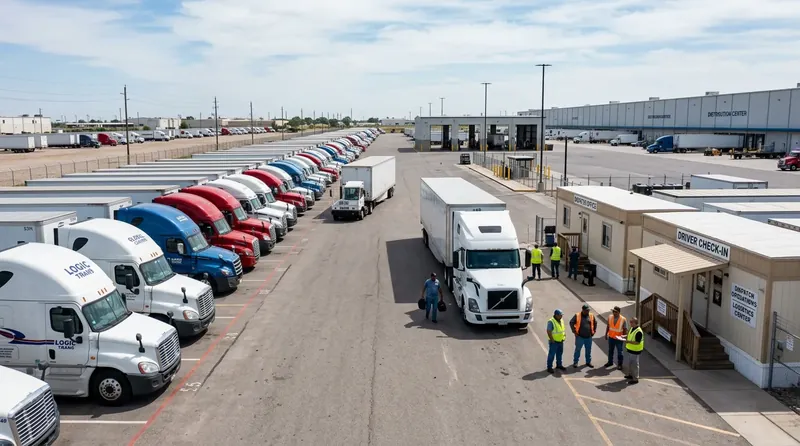
Trucking companies need capital for tractors, trailers, fuel, insurance, and growth. From day-to-day operations to long-term fleet expansion, here are the most common uses—and how we connect you with the right product.

Semi-tractors, dry vans, flatbeds, reefers, tankers, and box trucks. Equipment financing spreads the cost over the asset's useful life instead of tying up cash. Many lenders specialize in trucking equipment and understand resale value, mileage, and freight cycles. Typical terms 36-84 months. Browse equipment by type.

Fuel, insurance, maintenance, and driver payroll when freight payments lag or loads are light. Working capital loans bridge the gap between factoring advances and invoice payment—or between busy and slow seasons. Terms can align with your load cycles. Essential when scaling up or managing seasonal freight. Explore trucking working capital.

SBA 7(a) and 504 loans for business acquisition, fleet expansion, terminals, and working capital. Lower down payments (10% for 504 real estate), longer terms (10-25 years), competitive rates. Use 7(a) for flexibility; 504 for owner-occupied terminals and yards. Plan for 30-60+ days. View SBA loans for trucking.

Revolving credit for fuel, repairs, and slow periods. Draw when freight is light or payments lag; repay when loads pay. Ideal for load-based cash flow where needs fluctuate. Many carriers use a line alongside equipment and SBA financing. Explore trucking line of credit.

Purchase or refinance terminals, shops, yards, and storage facilities. SBA 504 and conventional mortgages build equity while freeing capital for equipment and operations. Owner-occupied property often qualifies for favorable terms. Stop paying rent; build equity instead. Explore carrier real estate.

Buy another carrier, acquire a complementary lane, or purchase an existing operation. SBA 7(a) loans finance acquisitions—often with as little as 10% down. Seller financing and thorough documentation improve approval odds. Grow through acquisition when organic growth isn't enough. SBA acquisition financing.
Trucking financing sizes vary by product, use of funds, and business profile. Here are representative ranges we see across the U.S.:
| Industry | Typical amount | What it funds |
|---|---|---|
| Equipment financing | $25,000 to $1,500,000+ | tractors, trailers, box trucks, reefers, and tankers. Single unit or fleet. New or used. |
| Working capital | $50,000 to $500,000+ | fuel, insurance, maintenance, and payroll. Terms often align with load cycles or factoring. |
| SBA 7(a) | $50,000 to $5,000,000 | working capital, equipment, acquisition, or real estate. Most flexible SBA program. |
| SBA 504 | $500,000 to $5,000,000+ | owner-occupied terminals and long-term equipment. 10% down, long-term fixed rates. |
| Lines of credit | $25,000 to $500,000+ | depending on revenue, credit, and lender. Revolving, draw as needed. |
Your actual amount depends on revenue, credit, collateral, freight mix, and lender. Use our financing calculator to estimate monthly payments. Apply now to get matched with programs for your situation.

Trucking-specific financing offers advantages that generic business loans often cannot match. Here's why carriers nationwide turn to specialized lenders:

Equipment financing often receives decisions in 24-48 hours. When you need to secure a tractor for a lane or replace a down unit, you can't wait 60 days. Working capital and lines of credit can fund in days to a few weeks. SBA takes longer but offers terms others can't match.

Spread equipment costs over 36-84 months instead of one lump sum. Keep cash for fuel, insurance, and unexpected repairs. Working capital loans bridge load gaps without depleting reserves. Match financing structure to your cash flow—not the other way around.

Trucking lenders evaluate lane history, freight mix, fleet utilization, and industry experience—not just financials. They structure loans around equipment useful life and load cycles. Terms that fit how you actually operate.

Equipment today, working capital next quarter, SBA real estate when you're ready to own a terminal. Many carriers use a mix. We connect you with lenders who offer the full suite—so you're not juggling five different banks for five different needs.
We connect you with lenders who offer equipment financing, SBA loans, working capital, and lines of credit. Understanding the options helps you choose the right fit—and we guide you through that decision.
| Financing Option | Best For | |
|---|---|---|
| Truck & Trailer Financing | Equipment loans for tractors, trailers, box trucks, flatbeds, and reefers. Spread costs over useful life; preserve cash for fuel and maintenance. Ideal for fleet expansion or replacing aging units. Decisions often 24-48 hours. | Browse semi-trucks, trailers & more ? |
| SBA Loans for Trucking | SBA 7(a) and 504 loans offer longer terms and lower down payments. Use for business acquisition, equipment, terminals, shops, and working capital. Approval typically 30–60 days. 10% down for 504 real estate. | View SBA loans for trucking ? |
| Trucking Working Capital | Bridge the gap between loads and invoice payments. Cover fuel, insurance, maintenance, and payroll when factoring advances lag or freight cycles slow. Terms aligned with trucking revenue. | Explore trucking working capital ? |
| Trucking Line of Credit | Revolving credit for fuel, repairs, and slow periods. Draw when needed; repay as loads pay. Well-suited to variable, load-based cash flow. Flexible, use as needed. | Explore trucking line of credit ? |
| Commercial Real Estate for Carriers | Purchase or refinance terminals, shops, yards, and storage facilities. SBA 504 and conventional mortgages build equity while freeing capital for equipment and operations. 10% down with 504. | Explore carrier real estate ? |
Axiant Partners connects you with trucking lenders and guides you from application to funding.
Equipment financing: 24-48 hours. Working capital: days to weeks. SBA: 30-60+ days. Apply now to get started.
01
Tell us about your business, equipment needs, freight mix, and use of funds. One application goes to multiple trucking lender partners. We determine whether equipment, working capital, SBA, or a combination fits best.
02
Our team analyzes your profile and identifies lenders whose programs align with your needs. Equipment-only? Working capital for fuel gaps? SBA for a terminal? We connect you with the right programs.
03
Equipment financing often requires minimal docs—application, bank statements, equipment quote. SBA and larger working capital need more. We tell you exactly what's needed and keep the process moving. Equipment decisions in 24-48 hours; SBA 30-60+ days.
04
Once approved, funds disburse per your loan type. Equipment financing—lender pays vendor or you. Working capital—deposited to your account. SBA—per closing docs. You're funded and ready to hit the road.
Trucking companies and owner-operators frequently finance tractors, trailers, and specialty equipment. Below are common types, typical cost ranges, and why businesses finance them. Lenders who specialize in trucking equipment understand depreciation, resale value, and freight cycles—often resulting in better terms and faster decisions.

Semi-tractors haul trailers for long-haul and regional freight. New tractors typically cost $120,000–$180,000 or more depending on configuration. Many carriers finance tractors to add capacity or replace aging units without large upfront outlays.
How to finance a semi truck
Box trucks handle local and regional deliveries, LTL freight, and last-mile logistics. They typically cost $35,000–$80,000 new. Financing helps carriers add or replace units for expanding delivery capacity.
How to finance a box truck
Flatbeds haul construction materials, machinery, steel, and oversized loads. Tractors and flatbed trailers combined can run $150,000–$250,000 or more. Financing spreads the cost over the equipment's productive life.
How to finance a flatbed truck
Tankers haul fuel, chemicals, milk, and other liquids. Tanker tractors and trailers can cost $200,000–$400,000 or more depending on specifications. Financing helps liquid haulers add or upgrade fleet capacity.
How to finance a tanker truck
Reefer tractors and trailers transport temperature-controlled freight. Reefers typically cost $180,000–$300,000 or more. Financing helps produce, pharmaceutical, and food haulers maintain and expand cold-chain capacity.
How to finance a refrigerated truck
Dry van, flatbed, and specialty trailers complement tractor fleets. Trailers range from roughly $25,000 to $80,000 or more depending on type and specs. Financing helps carriers add trailers to improve asset utilization and revenue.
How to finance a trailerWhen you need a tractor for a lane, a trailer to add capacity, or a box truck to expand delivery routes, you can't wait months. Trucking equipment financing delivers decisions in 24-48 hours for many applications. Lenders who specialize in commercial vehicles understand your industry—they evaluate the asset, your lane history, and freight mix. New or used, single unit or fleet, equipment financing preserves cash and matches payments to the equipment's productive life. Whether you're an owner-operator, small fleet, or regional carrier, we connect you with lenders who finance the trucks you need. See our full equipment financing overview or apply now to get matched.

Trucking revenue is load-based—you pay for fuel, insurance, and driver wages before freight payments arrive. Working capital loans bridge that gap. Cover fuel during a run, maintenance between loads, payroll when factoring advances lag. Terms can align with your load cycles or factoring schedule, so you're not stuck with a 12-month loan when revenue is seasonal. Carriers use working capital to add lanes, manage slow freight seasons, and smooth cash flow. If you're tired of juggling payables while waiting on the next load payment, working capital financing can change the equation. Explore trucking working capital or apply to see your options.

Requirements vary by product and lender. Here's what most trucking lenders consider:
Credit 550+ FICO common; some programs work with lower. Revenue, time in business, and equipment value matter. New equipment often easier than used. Down payment 0–20% depending on credit and asset.
Revenue, cash flow, and time in business. Lenders want to see ability to repay. Lane history and freight mix can support approval. Terms vary by lender.
Typically 650–680+ FICO, 2+ years in business, demonstrated profitability. Personal guarantees required. More documentation than equipment-only, but terms (10–25 years, 10% down for 504) often worth it.
Revenue stability, credit, and existing debt. Revolving structure means ongoing monitoring. Draw as needed; repay when loads pay.
Strong businesses with clear use of funds and solid documentation typically qualify for favorable terms. Challenged credit? Options exist—terms may differ. Apply now and we'll match you with lenders whose criteria fit your profile.
We focus on connecting carriers with the right lenders and moving your application forward efficiently.
We understand equipment, working capital, SBA, and how they fit together. We match you with lenders who serve your industry.
Equipment today, working capital next quarter, SBA when you're ready. One application goes to multiple lenders across product types.
We serve carriers anywhere in the U.S. Lane and fleet type don't limit your options.
We're compensated by lenders. Your match service is free.
One application, multiple options, support at each stage. Apply now to get started.
Estimates only, for planning purposes — not a quote, offer, or guarantee of terms. Your actual rate and payment depend on your business profile and the lender.
Trucking companies can access equipment financing for tractors, trailers, and trucks; SBA 7(a) and 504 loans for terminals, real estate, and acquisitions; working capital loans for fuel, insurance, and payroll; and lines of credit for load-based cash flow. Amounts typically range from $25,000 to $5,000,000 depending on use and business profile. Apply to see what you qualify for.
Equipment financing often receives decisions within 24-48 hours. SBA loans typically take 30-60+ days. Working capital and lines of credit can fund in days to a few weeks depending on lender and documentation. Need a tractor fast? Equipment financing is usually the answer.
Yes. Many lenders finance both new and used tractors, trailers, and trucks. Used equipment may have shorter terms (36-60 months) and rates based on age, mileage, and condition. Resale value and useful life affect terms. See our guide to used equipment financing.
Equipment financing programs often accept 550+ FICO. SBA loans typically favor 650-680+ credit. Working capital and lines of credit vary by lender. Strong credit improves terms; options exist for challenged credit with different structures. Apply and we'll match you with lenders that fit your profile.
Carriers use working capital to cover fuel, insurance, maintenance, and payroll between loads and invoice payments. Terms can align with factoring cycles or freight revenue. Essential when bridging gaps between factoring advances or during slow freight seasons.
Yes. SBA 7(a) and 504 loans finance tractors, trailers, and fleet equipment. 7(a) is flexible for general equipment; 504 suits long-lived assets. Approval typically 30-60 days. If you need equipment faster, equipment-only financing often funds in 24-48 hours. Compare SBA vs equipment financing.
Apply for Trucking Financing TodayExplore our most popular articles on trucking and equipment financing. For equipment-specific guides by type, see Equipment by Type. For all articles, see Equipment Financing Articles.
Buried in daily cash-advance debits? How carriers consolidate, mediate, or factor their way out before a judgment.
Read →Underwriting focus, documents, and working capital pairings for carriers with 2–9 power units.
Read →Expansion framework for owner-operators adding a second unit while protecting cash flow and dispatch stability.
Read →Fleet-stage financing playbook for operators scaling from owner-operator to multi-unit management.
Read →Use replacement financing to reduce repair volatility, downtime risk, and margin instability.
Read →Costs, credit requirements, new vs used, and approval process for tractor financing. Step-by-step guide for carriers.
Read →Approval timelines for semi-truck loans, what speeds funding, and how owner-operators get same-week decisions.
Read →Typical down payment on a semi-truck loan or lease, $0-down options, and how credit and truck age move the number.
Read →Growth stages, underwriting focus for 1–9 units, and how to pair equipment debt with working capital nationwide.
Read →Credit requirements for equipment loans and leases. Programs for 550+, 600+, 700+ FICO. Improve approval odds.
Read →Yes. Guide to used equipment financing—terms, rates, age limits, and what lenders evaluate for pre-owned tractors and trailers.
Read →Diesel and fuel costs squeezing trucking margins. Equipment financing, working capital, and fuel advances Axiant offers owner-operators.
Read →Costs, terms, and approval process for trailer financing. Dry van, flatbed, reefer. Essential for fleet expansion.
Read →How carriers cover fuel, payroll, and insurance when load payments lag. Funding structure and timing strategy.
Read →Practical funding plan for adding trucks, lanes, and drivers while protecting cash flow.
Read →Trucking breakdown and repair cash crunch: why one repair can stop operations, how carriers build buffers, and financing How to fix it. Financing for U.S. carri
Read →Deadhead miles and empty-mile cash drain can crush trucking margins. Learn why repositioning hurts cash flow and how car How to fix it. Financing for U.S. carri
Read →We also provide financing for logistics & warehousing, moving companies, towing & recovery, construction, and auto repair (fleet maintenance) businesses. View all industries.
Trucking companies need financing that fits freight cycles and cash flow. Axiant Partners connects carriers and owner-operators with lenders that offer equipment loans, working capital, SBA loans, and more. Submit your information once and we match you with programs suited to your business profile.