
Updated June 17, 2026
Quick answer
Equipment financing is one of the fastest commercial financing options. Initial approvals typically come back in 24-72 hours, full underwriting takes 3-7 business days, and funding lands in 5-10 business days total. Smaller transactions under $150k can close in under a week with clean documentation. Speed depends on credit profile, time in business, equipment type, and how complete your document package is at submission.
Typical Equipment Financing Approval Timeline
Equipment financing is one of the faster commercial financing options available. Because the equipment serves as collateral and underwriting is more focused than with SBA or commercial real estate loans, lenders can move quickly when documentation is complete. Here's what to expect:
- Initial approval: 24–72 hours
- Full underwriting and documentation: 3–7 business days
- Funding: 5–10 business days total
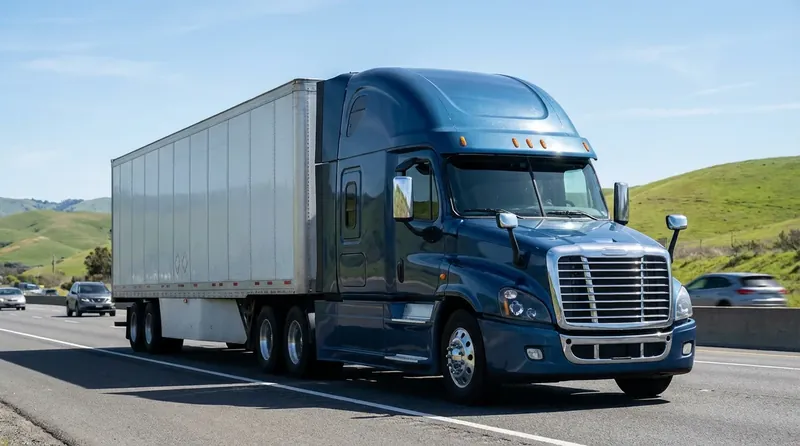
Smaller transactions can close faster. Equipment financing is generally quicker than SBA loans because the asset serves as collateral and underwriting is more direct.
Estimate Your Equipment Payment
While you line up a fast approval, here’s a quick illustrative monthly payment by equipment price and term. These use an illustrative 8–15% APR range, not a quote — your real rate depends on credit, the equipment, and time in business.
Illustrative estimate only (8–15% APR), excludes fees and any down payment. Not a quote or offer of credit.
See real equipment offers — get matchedChecking options won’t affect your credit · 24–48 hr decisions · no obligation.
Why Equipment Financing Is Faster Than Traditional Loans
Equipment financing is asset-backed. Lenders rely on equipment resale value, asset liquidity, and depreciation predictability. The collateral reduces risk, so lenders don't need to perform the same depth of financial analysis required for unsecured loans. Reduced underwriting complexity–since equipment serves as collateral–helps approvals move faster than unsecured or fully documented commercial loans. SBA loans, for example, involve government review and extensive documentation; equipment financing typically bypasses that complexity. Banks and specialized equipment lenders can often make credit decisions in hours or days rather than weeks.
What Factors Affect Approval Speed?
1. Credit Profile
Stronger credit typically leads to faster approvals. Lenders move through reviews faster when credit risk is lower. See credit score requirements for equipment financing to understand your tier.
2. Time in Business
Established businesses (2+ years) often experience smoother approvals. Startups may need more documentation and face slightly longer review periods.
3. Equipment Type
Common, liquid equipment–construction machinery, commercial trucks, agricultural equipment, manufacturing machinery–moves faster. Highly specialized or custom equipment may require additional evaluation and documentation.
4. Documentation Preparedness
Deals close faster when you provide up front: equipment invoice or purchase agreement, basic business financials, business formation documents, identification, and bank statements. Delays occur when documentation is incomplete or late.
5. New vs. Used Equipment
Used equipment financing may require additional verification such as photos, serial numbers, or inspection reports. See can you finance used equipment for more on pre-owned asset financing.
Can Equipment Financing Close in Under a Week?
Yes. Smaller transactions involving strong credit, established businesses, standard equipment, and clear documentation can often close in under a week. Some lenders offer express programs for transactions under $50,000 or $75,000 when the borrower profile is strong. If you need equipment urgently, ask about expedited options and ensure you submit a complete application from the start.
Common Delays and How to Avoid Them
Delays often occur when documentation is incomplete, equipment details are unclear, or the lender requests additional information. To avoid slowdowns: provide a clear equipment invoice or purchase agreement with make, model, and serial number; include 3–6 months of bank statements; have business formation documents ready; and respond quickly to any lender requests. Used equipment may require photos or inspection reports–having these ready upfront can prevent back-and-forth.
How to Speed Up Equipment Financing Approval
- Gather documentation before applying
- Confirm equipment details with the vendor
- Respond quickly to lender requests
- Ensure credit reports are accurate
- Be transparent about financial history
Equipment Loan vs. Lease and Speed
Both loans and leases can move quickly. Some lease structures speed approvals because the lessor retains ownership and the transaction is treated as a lease rather than a purchase-money loan. The documentation and underwriting can be slightly simpler in some cases. That said, equipment loans are also fast–the difference in speed between loan and lease is often minimal. Choose based on structure and terms rather than approval speed alone. Compare structures in our guide on equipment loan vs lease.
Working with a Broker or Marketplace
Applying through a broker or marketplace that connects you with multiple equipment lenders can speed the process by submitting your application to several lenders at once. Instead of applying to each lender separately, you complete one application and receive multiple offers. This approach can reduce the time spent on paperwork and help you compare terms from different programs. At Axiant Partners, we match businesses with equipment financing lenders; get matched to explore your options.
When Timing Matters Most
Speed is critical when equipment is needed to fulfill contracts, seasonal revenue opportunities are approaching, a vendor is offering limited-time pricing, replacement is due to breakdown, or a project deadline is imminent. Prepared applicants with strong profiles often receive decisions within 24–72 hours. Construction companies facing a project start date, farms preparing for harvest season, or manufacturers replacing failed machinery all benefit from equipment financing's relatively fast process compared to SBA or commercial real estate loans.
Same-Day and Expedited Approval Options
Some lenders offer same-day or next-day decisions for qualified applicants. These programs typically require strong credit (680+), clear documentation, and standard equipment with strong collateral value. If you need equipment urgently, inquire about expedited programs and ensure you have all required documents ready–invoice, bank statements, business formation docs, and identification–before applying.
Final Thoughts
Equipment financing is one of the fastest forms of commercial funding. Approvals typically occur within 24–72 hours, with funding in 5–10 business days for qualified applicants. If your business needs equipment soon, reviewing equipment financing solutions and preparing documentation in advance can help you close quickly.
Realistic Approval Timeline and What Affects It
Simple files can move quickly, but timeline depends on document quality, collateral complexity, and responsiveness. Most delays come from incomplete packages, changing equipment details, or unresolved prior lien questions. The lender may appear slow when the file is actually waiting on clarified inputs.
To accelerate timelines, submit a complete package once, confirm vendor details, and respond to follow-up requests in the same business day when possible. Momentum is lost when answers are fragmented across channels.
Speed Playbook for Borrowers
- Pre-collect entity docs, bank statements, and debt schedule.
- Verify quote details: equipment specs, serials, and delivery plan.
- Prepare short explanations for unusual bank activity before asked.
- Assign one internal owner for lender communication.
Borrowers who run this playbook usually reduce avoidable back-and-forth and receive cleaner approvals with fewer last-minute surprises.
Speed Blockers That Are Usually Avoidable
Approval timelines stretch when files are piecemeal, collateral details are incomplete, or prior obligations are unclear. A major blocker is back-and-forth on basic facts: entity name differences, ownership mismatches, and outdated quotes. Another blocker is documentation quality: blurry scans, missing pages, or statements that do not cover the requested period. These are operational issues, not necessarily credit issues.
Create a submission standard: complete PDFs, clear naming, one package send, and one response owner. If additional requests arrive, answer in one consolidated response rather than partial replies. Consolidation preserves review momentum and reduces duplicate follow-ups from different team members at the lender.
Advanced Borrower Playbook for Faster Closes
- Pre-brief vendor on lender verification calls and expected response windows.
- Pre-clear insurance requirements and certificate language before docs are issued.
- Resolve known lien or payoff issues before final credit committee stage.
- Keep a dated issues log so open items are visible and assigned.
Borrowers that run this process consistently can reduce close risk and preserve optionality when market conditions shift.
Communication Protocol That Preserves Speed
Fast approvals rely on communication quality as much as documentation. Use one thread for lender requests, respond with numbered answers matching each question, and include attachments with exact file names referenced in the response. This structure prevents missed items and duplicate asks. If multiple internal stakeholders reply independently, conflicts appear and timeline slips.
A daily checkpoint during active underwriting can remove blockers quickly and keep approval momentum intact.
Final reminder: speed comes from disciplined execution under pressure. Keep one owner accountable for lender communications, answer in structured batches, and escalate blockers with clear owners and dates. Verify insurance language, lien-release timing, and vendor readiness before final documents are issued. Teams that run this checklist repeatedly reduce timeline variance and improve close reliability even when market conditions or lender queues are volatile.
Micro-note: keep a same-day response SLA during active underwriting to prevent queue resets and avoidable timeline drift.
Second micro-note: maintain a single source checklist for open lender requests so no item is missed during handoffs.
Sources & Further Reading
- Federal Reserve Small Business Credit Survey — Survey data on how small firms actually apply for and receive credit -- approval rates, funding speed and reasons for denial.
- CFPB Small Business Lending Research — Consumer Financial Protection Bureau research and rulemaking on small business credit, including factor-rate and APR-equivalent disclosure.
Rate, fee, and policy figures cited above reflect current published guidance as of the article publication date. Always confirm current figures with the cited source or your lender before acting on financing decisions.
Equipment debt is secured by the machine; operating shortfalls are a separate conversation covered under working capital loans.
Frequently Asked Questions
How fast can equipment financing be approved?
Initial approvals typically come back in 24-72 hours, full underwriting takes 3-7 business days, and funding lands in 5-10 business days total. It is one of the fastest commercial financing options.
What is the fastest equipment financing can fund?
Smaller transactions under $150k can close in under a week with clean documentation and a strong credit profile.
Why is equipment financing faster than an SBA loan?
The equipment serves as collateral and underwriting is more focused and faster than an SBA or commercial real estate loan, so lenders can move quickly when documentation is complete.
What slows down equipment financing approval?
Incomplete document packages are the single biggest source of delays, followed by a missing equipment quote and slow responses to underwriter questions.
How can you speed up approval?
Submit a complete package (bank statements, equipment quote, formation documents, owner ID, application), lock the equipment quote first, stick to liquid asset categories, and reply to lender questions the same day.