
Updated June 11, 2026
Quick answer
Choose an equipment loan when you want long-term ownership and the asset has useful life beyond the loan term — heavy machinery, commercial trucks, manufacturing equipment. Choose a lease when you want to upgrade frequently, preserve cash flow, or expense the payment fully (operating lease) — tech, medical imaging, fleet vehicles. Loans build equity and end with full ownership; leases offer payments roughly 10-20% lower and end-of-term flexibility (buy, return, or renew). For commercial vehicles, a TRAC lease can lower payments further by excluding residual value.
What Is an Equipment Loan?
An equipment loan lets you purchase business equipment by borrowing a lump sum and repaying it over time. You receive the equipment, and the lender secures a lien against it until the loan is paid in full. Once the final payment is made, you own the asset outright. Key features include:
- Immediate ownership of the asset
- Fixed monthly payments (principal + interest)
- Equipment serves as collateral
- Ownership transfers after the final payment
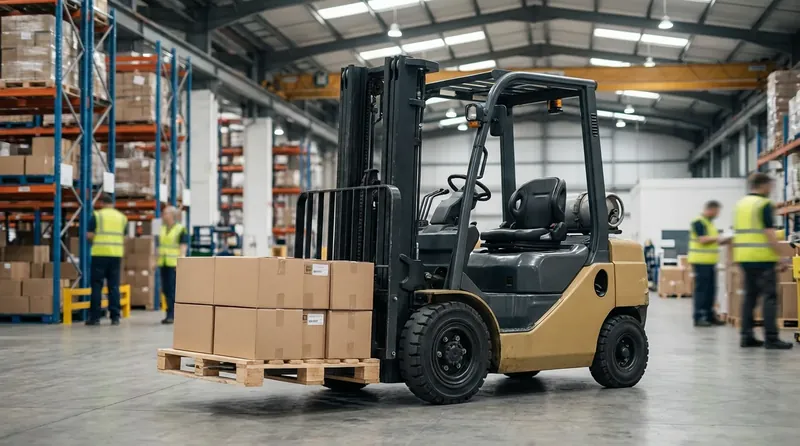
Common equipment financed with loans: heavy construction machinery, commercial vehicles, manufacturing equipment, and agricultural assets. Ideal when you plan long-term ownership.
What Is an Equipment Lease?
With an equipment lease, the lender (lessor) buys the equipment and you pay to use it for a set period. You do not own the equipment during the term; you have the right to use it in exchange for monthly payments. At the end of the lease, you typically have options: purchase the equipment at fair market value or a predetermined price, return it, or renew the lease. For commercial vehicles (semi-trucks, dump trucks, trailers), TRAC leases can lower monthly payments by excluding residual value from the financed amount. Key features include:
- No immediate ownership-you use the asset for monthly payments
- Often lower monthly payments than loans
- End-of-term options: purchase at fair market value (FMV), return, or renew
- Ability to upgrade equipment more easily
Leasing can preserve capital, allow quick upgrades, and offer flexibility when equipment needs change.
Equipment Loan vs Lease: Key Differences
- Ownership: Loan = immediate ownership; Lease = use during term, option to purchase at end
- Upfront Cost: Loan = may require down payment; Lease = lower upfront payment
- Monthly Payment: Loan = principal + interest; Lease = fixed lease payment
- End of Term: Loan = full ownership; Lease = purchase, return, or renew
- Use of Asset: Loan = long-term use; Lease = upgrade flexibility
1. Ownership & Long-Term Value
With a loan, you own the equipment and can benefit from long-term resale value. Loans work well for assets that hold value and that you plan to keep for years-e.g., construction equipment, trucks, manufacturing machinery.
2. Cash Flow Considerations
Each option affects capital differently. Loans may require a down payment and higher monthly payments. Leases typically require less upfront cash and can provide lower monthly payments, improving short-term cash flow.
3. Tax Treatment
Tax implications differ. With a loan, you own the equipment and may deduct interest and claim depreciation (including Section 179 expensing in certain cases). With a lease, payments are often fully deductible as operating expenses, which can simplify tax reporting. The structure of the lease–operating vs. capital lease–affects how it is treated for tax purposes. Consult your tax advisor for specifics based on your situation; the right choice can meaningfully impact your after-tax cost of financing.
4. Approval & Flexibility
Both consider credit and collateral. Equipment loans often require stronger credit; leases can sometimes be easier to approve when the equipment has strong resale value. Leasing offers more flexibility to upgrade or change equipment at term end.
When an Equipment Loan Is the Better Option
- You want immediate ownership and to build equity in the asset
- You plan to use the equipment long term–5, 7, or 10+ years
- Asset value is predictable and the equipment has strong resale potential
- You prefer to own assets outright and avoid end-of-lease decisions
- Tax strategy favors depreciation and interest deductions over lease expense
When an Equipment Lease Is the Better Option
- You want to minimize upfront capital and preserve cash flow
- You need to upgrade or change equipment frequently
- You prefer flexibility and lower monthly payments
- Equipment depreciates quickly (e.g., technology, medical devices)
- You're uncertain how long you'll need the equipment
- You want to avoid disposal or resale hassle at end of life
How to Decide
Ask yourself these questions before choosing:
- How long will you use the equipment? Long-term use favors loans; shorter or uncertain needs favor leases.
- What is your current financial position and cash flow? If preserving capital is a priority, leasing may help.
- What tax strategy fits your situation? Consult your tax advisor–Section 179, depreciation, and lease deductibility vary.
- Do you expect to grow and need to scale equipment? Leasing can make upgrades and additions easier over time.
- Is the equipment likely to retain value? Strong resale value supports both structures; rapidly depreciating assets may suit leasing.
Equipment Financing for Different Industries
Industry context matters. Construction companies often finance excavators, bulldozers, and trucks–assets that hold value and are used for years, making loans and leases both viable. Medical practices may prefer leases for imaging and diagnostic equipment that becomes obsolete. Restaurants and hospitality frequently lease kitchen and point-of-sale equipment. Manufacturing may use either structure depending on whether machinery is long-term core equipment or subject to frequent upgrades. Understanding your industry norms helps narrow the decision.
Final Thoughts
Both equipment loans and leases are powerful tools. The best choice depends on your operational and financial goals. For more on leasing benefits, see benefits of leasing equipment. Ready to explore options? Learn about our equipment financing services or get matched with lenders that offer both.
Cash-Flow Tradeoffs Between Leasing and Loans
Leasing can lower initial cash strain and preserve flexibility for faster asset refresh cycles. Loans may offer clearer ownership economics and simpler end-of-term planning. Neither is always better; the right choice depends on hold period, expected usage intensity, and residual value risk.
Model both options over the period you expect to keep the asset. Include insurance, maintenance, fees, and likely upgrade timing. Decision quality improves when total lifecycle cost is visible, not just monthly payment.
Governance Questions to Ask Before Choosing
- Will this asset be kept through full useful life or replaced early?
- How important is predictable payoff and ownership control?
- Are there operational reasons to avoid return-condition risk?
- Does the business benefit more from upfront cash preservation or long-run ownership economics?
Answering these questions with your finance and operations leads usually prevents expensive mid-term restructures.
Lifecycle Cost Comparison Approach
To compare leasing and loans correctly, model total lifecycle economics over your expected hold period. Include payment stream, upfront costs, fees, insurance requirements, maintenance assumptions, and end-of-term outcomes. For leasing, model both expected and adverse buyout scenarios. For loans, model payoff balance at your likely disposal date. This removes guesswork and exposes which structure is truly cheaper for your usage pattern.
Operational strategy also matters. If technology turnover is fast and asset refresh cadence is short, leasing may align better. If assets are retained deep into useful life and residual uncertainty is low, loans often provide stronger long-run economics. The best decision is usually the one that matches operational reality, not generic rule-of-thumb.
Include tax and accounting treatment with your advisor before final selection. The same nominal payment can produce different cash impacts depending on depreciation and deduction profile.
Decision Rhythm for Teams
Set a cross-functional review before signing: operations validates utilization assumptions, finance validates payment resilience, and leadership validates strategic flexibility. This shared review reduces mid-term restructures and aligns equipment decisions with business plan execution.
Risk Matrix for Final Choice
Build a simple matrix with rows for liquidity pressure, residual uncertainty, usage volatility, and expected replacement cadence. Score lease and loan options against each factor. This forces explicit trade-off decisions instead of defaulting to the lowest monthly payment. Teams that use a matrix make fewer mid-term changes and usually achieve lower lifecycle cost because hidden risks are surfaced early.
Final reminder: revisit the decision with operating data after each quarter. If utilization rises and replacement cadence slows, ownership-oriented structures can become more favorable. If technology cycles shorten or asset needs become variable, flexibility can justify leasing despite higher apparent cost. The goal is not to defend the original choice forever; it is to keep capital structure aligned with current business reality and risk tolerance.
Micro-note: include scenario checks for maintenance spikes, utilization dips, and replacement timing shifts before finalizing structure.
Second micro-note: document decision assumptions and review them quarterly against actual utilization, margin, and cash conversion outcomes.
An asset loan pays for iron, not for the weeks before a customer pays. Where that is the real gap, working capital loans fit better.
Sources & Further Reading
- IRS Publication 946: How To Depreciate Property — The authority on Section 179 expensing and depreciation for financed equipment and vehicles.
- American Society of Appraisers — The professional body for machinery, equipment and business appraisers.
Rate, fee, and policy figures cited above reflect current published guidance as of the article publication date. Always confirm current figures with the cited source or your lender before acting on financing decisions.
Frequently Asked Questions
Is an equipment loan or lease better?
Choose a loan for long-term ownership when the asset's useful life exceeds the term (heavy machinery, trucks, manufacturing equipment). Choose a lease to upgrade frequently, preserve cash flow, or fully expense the payment (tech, medical imaging, fleet vehicles).
Are equipment lease payments lower than loan payments?
Yes, typically 10-20% lower per month, because you are not paying down principal toward ownership.
What happens at the end of an equipment lease?
You typically choose to purchase the equipment at fair market value or a set price, return it, or renew the lease.
Does an equipment loan or lease have better tax treatment?
Section 179 deductions favor loans because you own the asset, while operating leases let you expense the full payment. Treatment can swing the decision by thousands, so confirm with your CPA.
What is a TRAC lease?
For commercial vehicles, a TRAC lease lowers monthly payments by excluding the residual value from the financed amount.