
Updated April 4, 2026
Quick answer
Yes — most equipment lenders finance used equipment, especially in liquid categories like construction, trucking, manufacturing, and agriculture. Approval depends on equipment age (typically under 10-15 years), condition (photos, serial numbers, sometimes inspection), and resale market strength. Expect rates 1-3% higher than new-equipment financing and 10-20% down for older assets. Many lenders apply a "10-year rule": age plus loan term can't exceed about 15 years.
Is Used Equipment Eligible for Financing?
Most programs allow used equipment purchases. Common examples include:
- Used construction equipment
- Pre-owned commercial trucks
- Refurbished manufacturing machinery
- Agricultural equipment
- Medical equipment
- Restaurant equipment
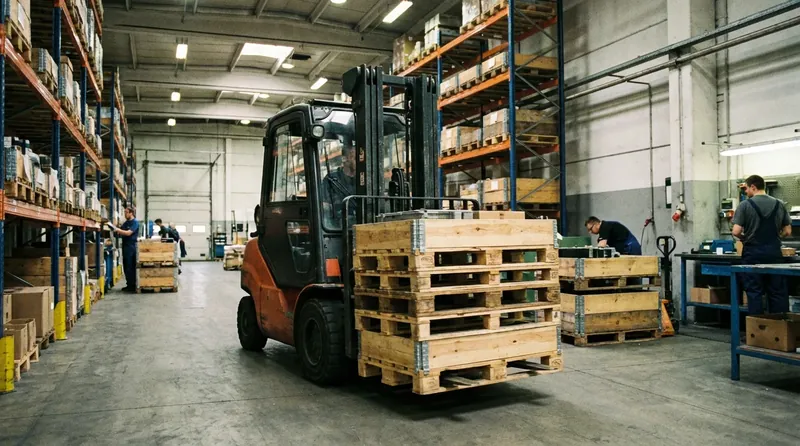
Eligibility depends on the equipment having identifiable resale value and market demand. Equipment that is too old, too specialized, or in poor condition may be declined. Standard categories like construction, transportation, manufacturing, agriculture, and hospitality typically have established used-equipment markets that lenders understand and finance regularly.
What Do Lenders Look at When Financing Used Equipment?
1. Equipment Age
Lenders prefer equipment under 10–15 years old or with significant remaining useful life. Some programs use a "10-year rule"?equipment age plus loan term can't exceed a certain limit. Newer used equipment typically qualifies for better terms.
2. Equipment Condition
Lenders may require photos, serial numbers, inspection reports, and maintenance records. Well-maintained equipment improves approval odds and may support better rates and terms.
3. Resale Market Strength
Equipment with strong secondary markets–excavators, dump trucks, CNC machines, tractors–is easier to finance. Highly specialized or niche equipment may require higher down payments due to limited resale demand.
Are Rates Higher for Used Equipment?
Often yes, due to higher depreciation risk. Lenders may charge slightly higher rates, require larger down payments, or offer shorter terms. Strong borrower credit and stable revenue can offset these adjustments. See credit score requirements for equipment financing to understand how your profile affects terms.
Do You Need a Larger Down Payment?
Sometimes. Used equipment financing may require 10–20% down depending on credit tier, or a higher equity contribution for older equipment. Down payment requirements vary based on credit score, time in business, equipment age, and industry risk. For details, see down payment requirements for equipment financing.
Is Leasing an Option for Used Equipment?
Yes. Used equipment transactions can be structured as an equipment loan, $1 buyout lease, or fair market value lease. Some lessors specialize in used equipment and have established programs for pre-owned assets. The same factors apply–equipment age, condition, and resale value–but leasing can sometimes provide more flexibility for used equipment when the lessor is comfortable with the asset. Compare structures in our guide on equipment loan vs lease.
New vs. Used: Why Choose Used?
Used equipment financing appeals to businesses that want to conserve capital, need equipment quickly at a lower cost, or operate in industries where used assets are commonplace and reliable. A 3-year-old excavator may perform nearly as well as a new one at a fraction of the cost. The trade-off is potentially higher rates, shorter terms, and more documentation–but for many businesses, the savings justify the extra steps.
Benefits of Financing Used Equipment
- Lower Purchase Price: Costs significantly less than new models.
- Faster ROI: Lower acquisition cost improves return on investment.
- Reduced Depreciation Impact: Much of the steep initial depreciation has already occurred.
- Access to Capital Without Large Cash Deployment: Preserves liquidity, expands operational capacity, and offers a cost-effective path to scaling operations.
When Used Equipment Financing Makes Sense
Often ideal when the equipment has strong resale value, the business needs to control upfront costs, the asset has significant remaining useful life, and immediate ownership isn't critical. Construction companies buying a well-maintained used excavator, trucking firms adding pre-owned rigs, or manufacturers acquiring refurbished CNC equipment are typical candidates. Less ideal when equipment is highly specialized, outdated, or nearing the end of operational life. Financing a 15-year-old custom machine with no secondary market is harder than financing a 3-year-old Caterpillar excavator with broad demand.
Vendor and Dealer Programs for Used Equipment
Many equipment dealers and manufacturers offer financing programs for used equipment they sell. These programs can simplify the process–the dealer may handle paperwork and work with preferred lenders who understand the asset. Third-party lenders also finance used equipment purchased from private sellers; you'll need a bill of sale, equipment details, and sometimes photos or inspection reports. Comparing dealer financing with independent lenders can help you secure the best terms.
Preparing Your Application for Used Equipment
To improve approval and speed for used equipment financing, prepare: a clear bill of sale or invoice with equipment details (make, model, year, serial number), photos showing condition, maintenance records if available, and a vendor quote or appraisal if the equipment value is unclear. Lenders need to verify that the asset exists, has value, and can be collateralized. Providing complete information upfront reduces back-and-forth and can shorten your timeline to funding.
Final Thoughts
Used equipment can be financed. Approval depends on the borrower and the equipment–age, condition, resale value, and credit profile. Understanding the financing structure is crucial. If your business needs to acquire pre-owned machinery, trucks, or other assets, reviewing equipment financing solutions can help you find the right fit.
How Lenders Price Used Collateral Differently Than New
Used equipment financing hinges on verifiable value and remaining useful life. Underwriters reference auction results, dealer listings, and manufacturer support windows. Hours, mileage, major rebuilds, and maintenance history can swing advance rates more than a small change in interest rate. If you have service records and a recent inspection, include them—they reduce collateral uncertainty.
Serial numbers, clear title, and absence of undisclosed liens matter. If you buy from a private party, expect extra steps compared with a dealer package where documentation is standardized.
Age, Condition, and Useful Life Constraints
Many programs cap age or hours at approval; exceptions exist for refurbished assets with strong markets. If your asset is near program limits, a shorter term aligned to remaining life can still work. Be honest about condition—underwriters will adjust if inspection findings contradict the application.
Title, Insurance, and Closing Logistics for Used Assets
For titled equipment, lenders may require specific loss-payee wording on insurance and may control disbursement until they confirm lien perfection. Plan for a few extra days in closing compared with new equipment from a franchised dealer. If the asset will move across state lines, verify UCC and title rules early to avoid closing delays.
OEM Support, Warranties, and Parts Availability
Lenders care about downtime risk. Equipment with OEM parts availability and transferable service contracts often finances more easily than orphaned brands. If you buy third-party coverage, include the policy summary and exclusions so underwriters see how catastrophic failure is mitigated.
Dealer Purchase Versus Private Party: Closing Considerations
Dealers frequently provide inspection reports, reconditioning invoices, and standardized bills of sale. Private parties may require more legwork: verify identity, confirm payoff and lien release, and schedule inspection before funds move. Build a few extra days into your timeline when private-party logistics are involved.
Next Steps
Align your requested term with remaining useful life, gather maintenance records, and compare programs that specialize in your asset class. See requirements for baseline paperwork and down payment considerations when advance rates are tight.
Where Lenders Source Collateral Values
Third-party guidebooks, auction composites, and dealer quotes each carry different weights. Heavy equipment may reference auction lanes; over-the-road trucks may reference mileage bands and emissions specs. If your asset is niche, provide two independent listings or a recent comparable sale summary.
When in doubt, order a qualified appraisal before application—it costs money but can prevent a surprise advance rate at the eleventh hour.
Risk Mitigation Beyond the Interest Rate
Consider downtime insurance, critical component coverage, and preventive maintenance budgets. Lenders view uninsured catastrophic failure as a default pathway. Showing you reserved for maintenance makes the operating plan credible.
Operational Details That Close Faster
Confirm delivery windows, installation costs, and training downtime before you lock a payment. Underwriters treat soft costs carefully—some can be financed, others cannot. If freight or rigging is material, document quotes and vendor legitimacy.
Keep communication centralized: designate one person to answer lender questions so answers stay aligned with your application narrative.
Market Liquidity and Brand Matters
Equipment from manufacturers with active secondary markets typically finances faster. Niche brands can still work, but expect more conservative advances and possibly shorter terms. If you are choosing between two comparable machines, liquidity and parts availability are financing inputs, not only purchase price.
Document comparable listings at the time of application; markets move, and lenders refresh values during underwriting. If your purchase price is below market, explain why—distress sales, seller motivation, or bundled maintenance can all be valid when documented.
Safety, Compliance, and Environmental Checks
For regulated equipment, lenders may ask for inspection certificates, emissions compliance, or operator training plans. Address these proactively—delays here push closing dates and can invalidate insurance binders if timelines slip.
Compare Used Equipment Programs
When your collateral story is tight—age, hours, maintenance, and title—used equipment financing can still move quickly with the right lender fit. Bring documentation together first, then use matching to compare structures without repeating the same incomplete file across multiple desks.
Tip: keep dealer or seller contact information handy through funding—lenders occasionally verify serial numbers, liens, and delivery dates directly.
Sources & Further Reading
- Federal Reserve Small Business Credit Survey — Survey data on how small firms apply for and receive credit: approval rates, funding speed and reasons for denial.
- American Society of Appraisers — The professional body for machinery, equipment and business appraisers.
Rate, fee, and policy figures cited above reflect current published guidance as of the article publication date. Always confirm current figures with the cited source or your lender before acting on financing decisions.
Frequently Asked Questions
Can you finance used equipment?
Yes. Most equipment lenders finance used equipment, especially in liquid categories like construction, trucking, manufacturing, and agriculture. Approval depends on equipment age (typically under 10-15 years), condition, and resale market strength.
How much down payment is needed for used equipment?
Expect 10-20% down for older assets. Strong credit (700+) on newer used equipment can sometimes secure no money down.
Are used equipment financing rates higher than new?
Usually 1-3% higher than new-equipment financing, reflecting the shorter remaining useful life and resale considerations of pre-owned assets.
What is the 10-year rule for used equipment?
Many lenders apply a '10-year rule' where the equipment's age plus the loan term can't exceed roughly 15 years. Older assets may still qualify but typically need shorter terms or larger down payments.
Can you finance used equipment from a private seller?
Yes. Most asset-based lenders accept private-party sales with a bill of sale showing make, model, year, serial number or VIN, and price. Banks typically don't finance private-party purchases.