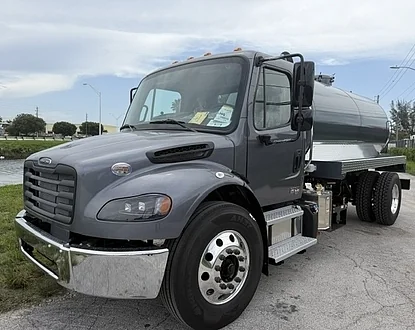
 1,500–2,500 gal
Septic / Vacuum Truck
Masport & NVE pumpsnon-CDL optionsFreightliner · Int'l · Kenworth · Mack


Built-to-work vacuum trucks and septic trucks for pumping and hauling — from non-CDL 1,500-gallon units up to 6,000-gallon commercial rigs, plus dual-compartment portable restroom trucks. Viking upfits them on Kenworth, Freightliner, International, Mack and Western Star chassis with Masport and NVE vacuum systems, new and used. Every truck here can be financed through Axiant. How financing works →
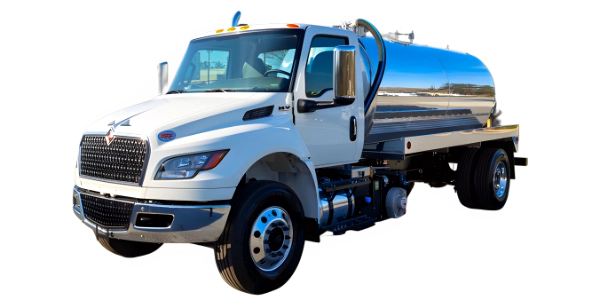
Three build types, all financeable through Axiant. Live inventory & pricing on Viking Truck.
1,500–2,500 gal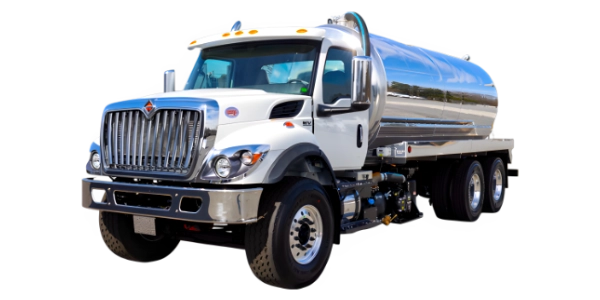 3,500–6,000 gal
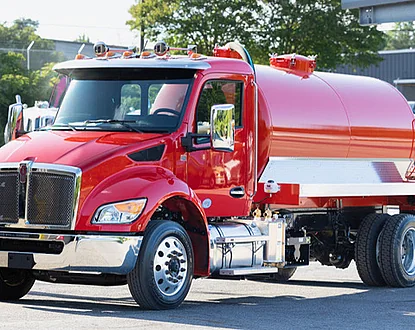 1,200–2,000 gal
Trucks are sold and upfitted by Viking Truck. Axiant Partners is an independent financing partner and arranges equipment financing; truck pricing, specifications and live availability are provided by the dealer. Financing is subject to credit approval.
A vacuum truck is the most expensive thing most septic operators buy. Financing spreads that cost across the routes it runs — so your cash stays free for fuel, disposal and payroll.
A vacuum truck carries a tank and a vacuum pump or blower that draws liquids, sludge and slurry off the ground or out of a tank, then hauls it away to disposal. In septic and portable sanitation work it pumps septic tanks, grease traps and portable restrooms; the same platform also handles municipal, industrial and liquid-waste jobs. It is different from a tanker truck, which only transports liquid it does not pump — the vacuum system is what makes these trucks do the work. A septic truck is simply a vacuum truck set up for septic and portable-restroom service.
A vacuum truck is the asset a septic or sanitation business is built around. Owning the right one turns routes into revenue:
The catch is the sticker price — a vacuum truck is the most expensive thing most septic operators buy. Financing spreads that cost across the routes the truck runs, so your cash stays free for fuel, disposal fees and payroll. See what your truck qualifies for or read how vacuum truck financing works.
Three things in the table above decide most of it. Tank capacity sets how many stops you make between dumps — 1,500 to 2,500 gallons suits residential and portable-restroom routes, while 3,500 to 6,000 gallons is built for high-volume commercial and municipal work. The pump or blower (a Masport pump or an NVE blower, rated in CFM) sets how fast you draw and how far you can reach. And the chassis decides licensing and payload — a non-CDL 1,500-gallon build keeps more drivers eligible, while heavy tanks need a full CDL truck on a bigger frame. Tell us the routes you run and we will help you land on the right spec.
Both are financeable, and Viking carries each. A new truck comes with a warranty, current emissions and a clean tank; a used unit gets you on the road faster and for less, so long as you check the tank condition, pump hours and chassis miles. Either way the financing works the same, and a solid used vacuum truck is a common way for a growing septic business to add a second route without a new-build wait.
Pumping and hauling liquids and waste — septic tanks, grease traps, portable restrooms, and municipal or industrial liquid waste. The onboard vacuum draws it into the tank; the truck hauls it to disposal. Unlike a tanker, it pumps the load itself.
Match the tank to your routes. Residential and portable-restroom service is usually a 1,500 to 2,500 gallon truck, often non-CDL; high-volume commercial, grease and municipal work leans toward 3,500 to 6,000 gallons with a bigger blower and hydraulic dump.
It ranges widely with tank size, pump and condition — a used unit can run into the low six figures while a large new truck reaches the mid-to-high six figures. The monthly payment usually matters more, and financing sizes it to the work the truck brings in. Ask us for a payment estimate.
Yes — both. Truck financing is asset-based, so the equipment carries much of the deal. See how vacuum truck financing works, then apply once to get matched.