Tow Truck & Wrecker Financing
The starting point: what flatbeds and wreckers cost by class, the financing paths available, and what lenders look at when you buy your first or next tow truck.
Read moreEquipment, SBA loans, and working capital for towing and recovery companies — flatbeds to heavy-duty rotators. Fast approvals nationwide.
Towing is one of the most equipment-heavy service businesses there is. The trucks are the company — a single rollback runs well into six figures new, an integrated wrecker more, and a heavy-duty rotator can cost as much as a house. You usually need more than one truck and more than one class of truck to cover the calls you get, and when a unit is wrecked, broken down, or tied up on a long recovery, every truck you're missing is revenue you can't bill. Buying that rolling stock outright would drain the cash you need for fuel, drivers, and insurance, which is why nearly every operator finances.
The revenue side has its own rhythm. Cash and private-pay tows pay immediately, but the accounts that scale a towing company — motor clubs like AAA and the major dispatch networks, police and municipal rotation lists, insurance and fleet accounts, and repossession work — pay on net-30 or net-45 terms. Meanwhile fuel, driver pay, tolls, and insurance are due continuously. Add a storage and impound yard, where cash is tied up in vehicles awaiting redemption or lien sale, and you have a business that can be busy and profitable yet still cash-tight.
That's where industry-aware financing matters. Equipment loans, commercial vehicle financing, SBA programs, working capital, and lines of credit each solve a different piece of the problem. Axiant Partners connects light-duty, medium-duty, and heavy-recovery towing operators — plus repo and roadside-assistance companies — with lenders who understand the truck values, the net-term accounts, and the storage-yard economics. One application gets you matched with programs that fit your business profile. See all industries we serve, or apply now to see what you qualify for.
Most towing operators use a mix of products as the fleet and account base grow. Here are the core options and how towing companies typically use each.
Equipment financing covers flatbeds, wheel-lift and integrated wreckers, heavy-duty wreckers, and rotators — new or used. The truck itself collateralizes the loan, terms typically run 48-84 months depending on the unit's value and life, and decisions often come back in 24-48 hours. Spreading the cost of a six-figure truck over its working life keeps cash free for fuel and payroll. For the basics of pricing and approval by truck class, see tow truck & wrecker financing.
Service trucks, roadside-assistance vehicles, and support units are financed the same way as recovery equipment — with the vehicle as collateral and fast decisions. Most towing companies finance trucks individually as they add capacity or replace aging units one at a time rather than fleet-wide. Explore commercial vehicle financing.
SBA 7(a) loans suit towing company or territory acquisition and larger combined truck-and-working-capital packages. SBA 504 is the right product if you're buying owner-occupied real estate — an impound and storage yard with office and secure parking. Approval typically takes 30-60+ days, but the longer terms (10-25 years) and lower down payments justify the wait when you're buying a building or a book of business. View SBA loans for towing companies.
Working capital covers fuel, driver pay, tolls, and insurance while you wait on motor-club, police-rotation, and municipal accounts that pay net-30 to net-45. It's also the right product for the ramp on a new dispatch contract or a fleet expansion — when trucks and drivers must be in place before the account revenue clears. Terms are short (typically 3-24 months) and decisions are fast. Explore towing company working capital.
A revolving line of credit is built for the in-between — a fuel spike, a slow-paying motor club, an unexpected boom or transmission repair, or payroll the week an account pays late. Draw what you need, repay as payments clear, and only pay interest on the balance. Many towing operators run a line alongside truck financing as their default operating tool. Explore towing business line of credit.

Towing companies finance a range of trucks by duty class plus support equipment. Below are the most common categories, typical cost ranges, and why operators finance rather than buy outright. Figures are illustrative ranges, not quotes.

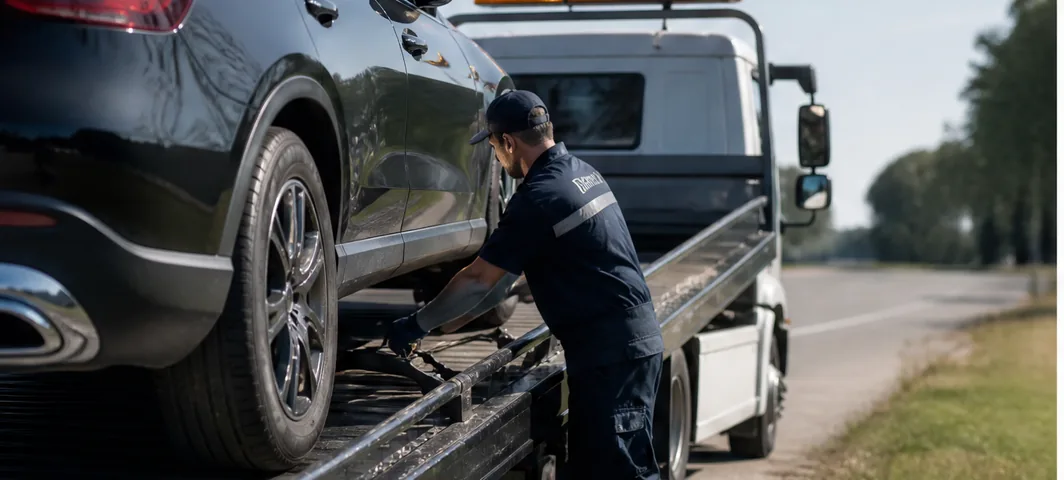
The everyday workhorse of light-duty towing — rollbacks carry cars, equipment, and damaged vehicles without added wear. New flatbeds typically run $90,000-$160,000; quality used units $40,000-$90,000. Usually the first truck a new operator finances and the unit most fleets add as they grow. How to finance a flatbed

Wheel-lift and integrated wreckers handle quick hookups, illegal-parking and repo work, and light-to-medium recovery. New units typically run $80,000-$180,000 depending on boom and wheel-lift capacity; used units less. A core unit for companies running motor-club and rotation calls at volume. How to finance a wrecker

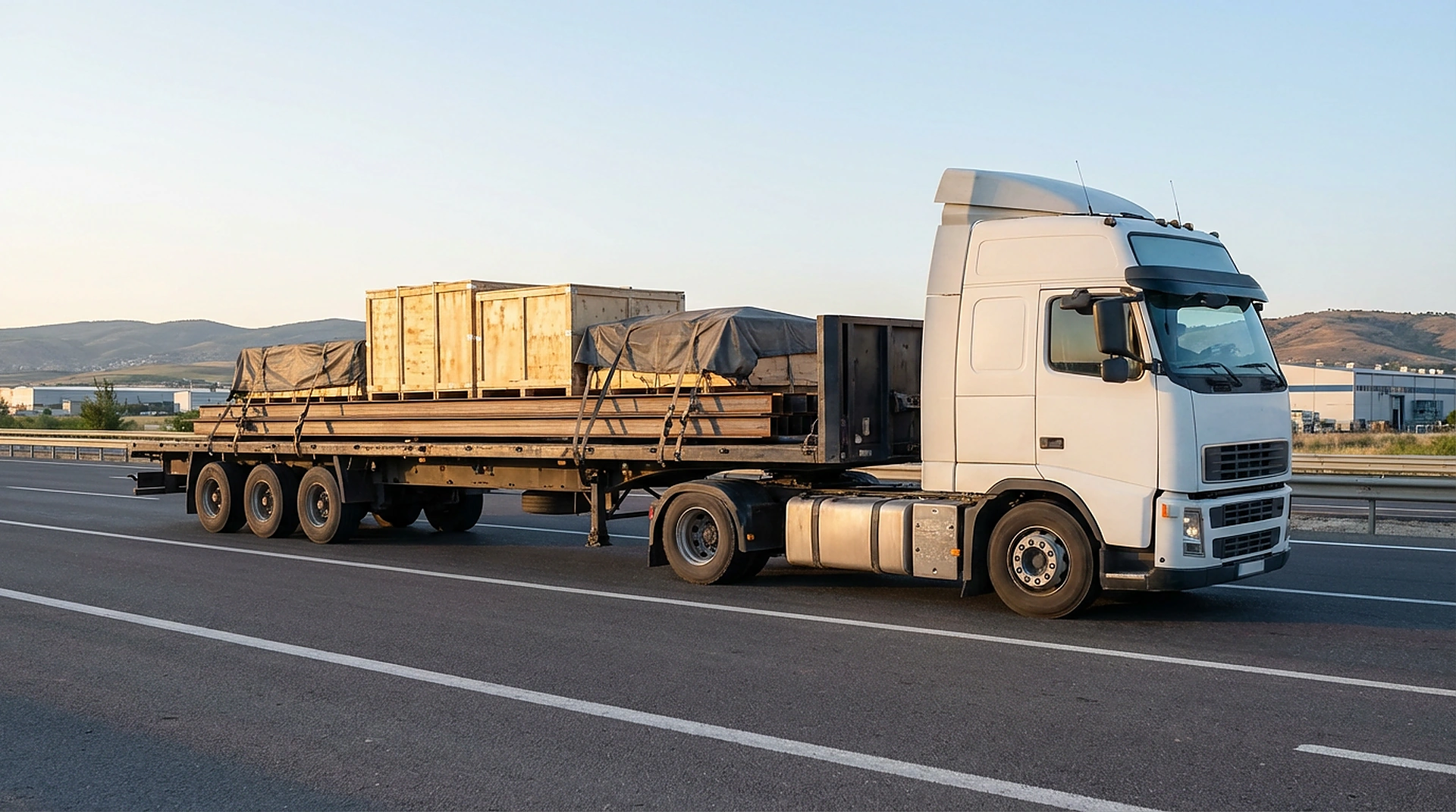
Heavy wreckers and rotators recover semis, buses, and overturned loads — the highest-margin work in the industry. New heavy units run $300,000-$950,000+; rotators sit at the top of that range. Financing puts a recovery rig to work that few operators could buy with cash. How to finance a heavy-duty wrecker

Self-loaders with concealed or quick-deploy wheel-lifts are built for high-volume repossession work, where speed and discretion matter. Units typically run $70,000-$130,000. Financing the specialized truck lets a repo operator scale assignments without tying up cash. How to finance a repo self-loader

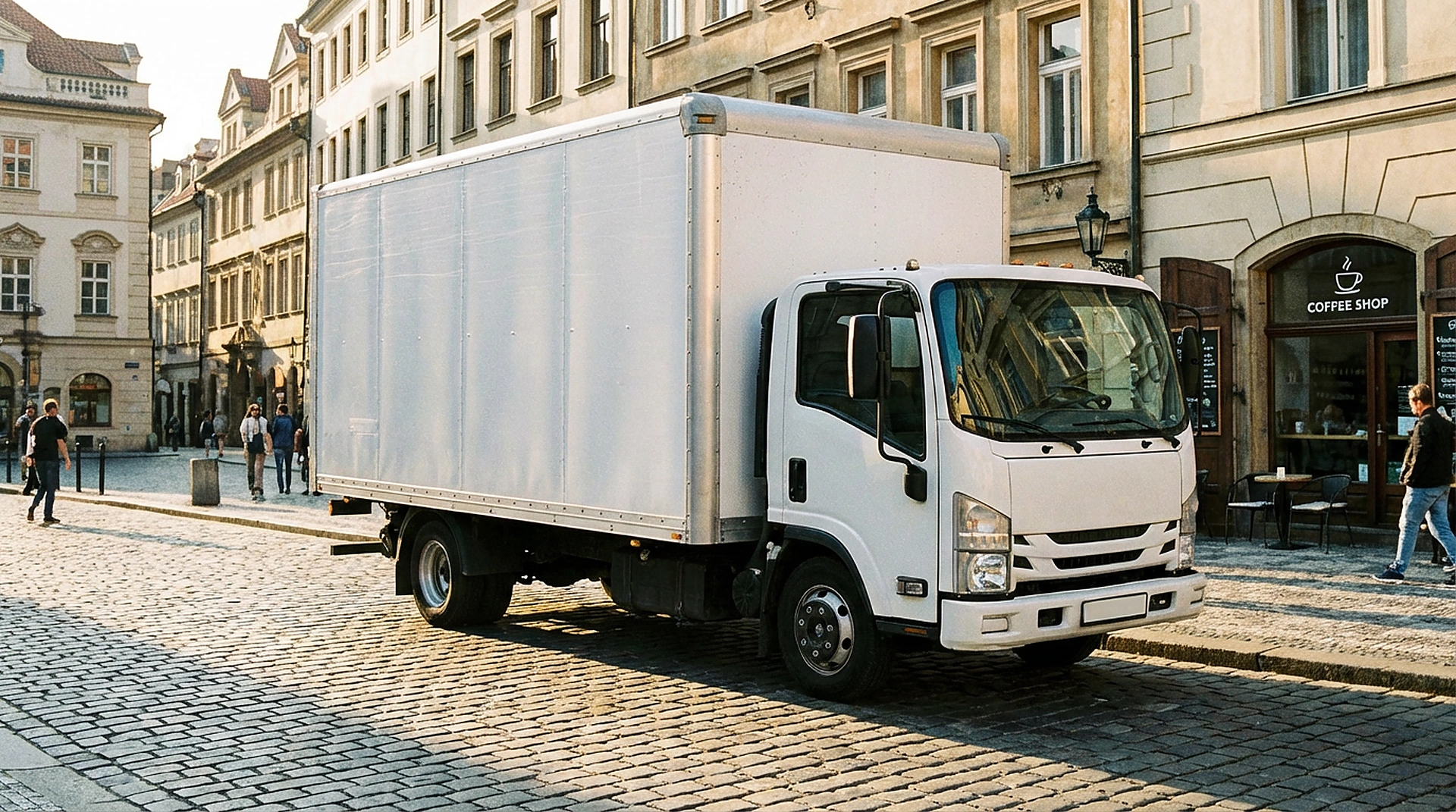
Roadside-assistance vans, support trucks, and quick-response units handle jump-starts, lockouts, fuel delivery, and tire changes — recurring revenue alongside towing. New units typically run $40,000-$70,000; used less. Financed like any vehicle, with the unit as collateral and fast decisions. How to finance support vehicles
The guides below cover the questions towing operators ask most about financing trucks, heavy recovery rigs, storage yards, and the cash-flow gap on net-term accounts. For a full overview of equipment financing across all industries, see Equipment Financing. For all guide articles, see Equipment Financing Articles.
The starting point: what flatbeds and wreckers cost by class, the financing paths available, and what lenders look at when you buy your first or next tow truck.
Read moreHeavy recovery is the highest-margin work in towing — and the most expensive truck to buy. When the rotator pencils out and how operators finance a $300K-$950K rig.
Read moreFuel and drivers are paid now; motor clubs and police rotation pay in 30-45 days. How towing companies bridge the gap with a line of credit and factoring.
Read moreRepossession runs on specialized self-loaders and a cash cycle built around assignment, storage, and redemption fees. How to finance the truck and fund the work.
Read moreWhat credit profile towing operators need to qualify for flatbed, wrecker, and heavy-recovery financing — and what to do if your score is below the typical threshold.
Read moreUsed flatbeds and wreckers can be financed — but with different terms than new. What lenders look at and how to structure the deal for a used tow truck.
Read moreWhy most tow-truck loans get approved in 24-48 hours and what document delays slow that down. Critical when a truck is wrecked and you need a replacement on the road.
Read moreLease or loan for a tow truck or rotator? How the math, tax treatment, and end-of-term options differ — and which structure typically fits towing fleet cycles.
Read moreWhen a towing company should use straight equipment financing, when SBA 7(a) is the better tool for buying a competitor or a yard, and how to combine both.
Read moreTowing companies need financing built for the way the business actually runs — six-figure trucks that pay for themselves across years of calls, working capital that bridges net-45 motor-club and rotation accounts, heavy rigs financed for the highest-margin recovery work, and SBA when it's time to buy a competitor or a storage yard. Axiant Partners connects light-duty, medium-duty, heavy-recovery, repo, and roadside-assistance operators with lenders that offer the full mix. Submit your information once and we match you with programs suited to your business profile.
We also provide financing for trucking, auto repair, and construction businesses, plus other trades. View all industries.