
Updated June 16, 2026
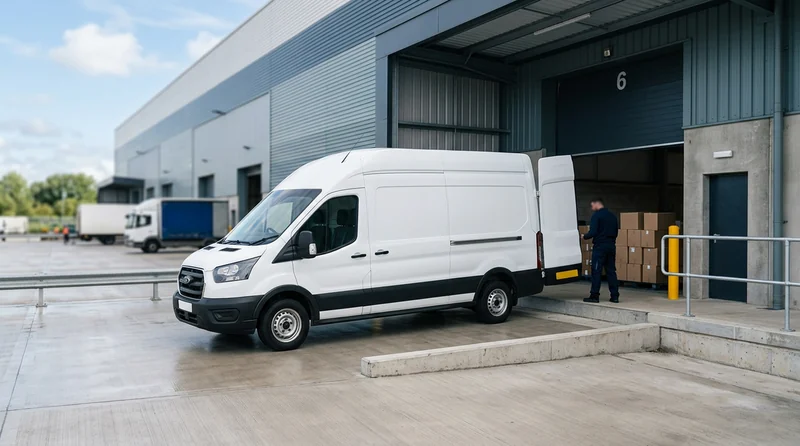
self-loader truck
Why Repo Is Its Own Segment
Repossession overlaps towing but isn't the same business. The work is contracted by lenders, credit unions, and forwarding companies rather than dispatched off a board, the volume is steady and assignment-driven, and the truck of choice is purpose-built: a self-loader with a concealed or quick-deploy wheel-lift that one operator can work alone, quickly and discreetly. That specialization is the point — speed and a low profile are what make a recovery clean — and it's why a general flatbed or wrecker isn't the right tool for high-volume repo. If you're weighing tow trucks more broadly, see tow truck & wrecker financing; this guide is about the self-loader and the cash behind the repo business specifically.
What a Self-Loader Costs
As illustrative ranges, not quotes, a self-loader built for repossession typically runs $70,000 to $130,000, depending on the chassis and the wheel-lift system — concealed and quick-deploy setups, hardened controls, and the camera and lighting packages operators add for documentation and safety. Used self-loaders cost less and are financeable. As with any tow truck, the truck collateralizes the loan, so the financing leans on the asset rather than your balance sheet alone.
The truck is also rarely the only thing you're outfitting. Repossession is a documentation- and compliance-heavy business: license-plate recognition (LPR) camera systems, dash and body cameras for evidence, and the secure-lot fencing, gates, and lighting that lenders and forwarders expect before they hand you assignments. LPR rigs in particular are a meaningful line item, and serious volume operators treat them as core equipment, not an accessory. Some of this gear can be financed alongside the truck; the rest is an operating cost that, like insurance and bonding, has to be funded out of working capital while you build assignment volume. Pricing the whole package — not just the chassis — is what keeps a repo expansion from stalling halfway.
Financing the Truck
A self-loader is financed as equipment, secured by the truck, typically over 48-72 months, with decisions often back in 24-48 hours — fast enough to add capacity when assignment volume climbs. Lenders weigh the truck (year, mileage, condition of the lift), your repo or towing revenue and contracts, time in business, and credit, which on equipment programs often starts around 600 FICO with the best structures above 650. A down payment can offset a thinner or newer file, and strong files may qualify for little or nothing down (see no money down equipment financing). For the credit thresholds specifically, see what credit score is needed for equipment financing, and if credit is still building, business loans for bad credit.
The Other Half: The Cash Cycle
Buying the truck is only half the problem. Repossession has a built-in cash cycle that catches operators off guard as they scale. When you take an assignment, you front the cost of locating and recovering the vehicle, transporting it, and storing it — sometimes for weeks — while your compensation arrives later. Recovery fees from the lender or forwarder typically settle on net terms after the assignment closes; storage fees accrue while the vehicle is held but are collected at the end; and redemption or personal-property fees come in only when the borrower acts. The more assignments you run at once, the more cash is tied up in vehicles sitting on your lot waiting to be paid for.
That's why volume can paradoxically tighten cash. Win a bigger forwarding contract and you'll be recovering and storing more vehicles immediately, with the fees for them trailing by weeks. A business line of credit is the natural tool: draw to cover fuel, drivers, and the carrying cost of recoveries in progress, then repay as assignments close and fees land. For operators with steady, creditworthy lender and forwarder clients, invoice factoring against those receivables is another way to turn net-term fees into near-immediate cash that scales with assignment volume.
The Cost of Being Assignment-Ready
Lenders and forwarding companies don't hand assignments to just anyone with a truck. To get on their lists you generally need specific insurance limits, often a wrongful-repossession or errors-and-omissions policy on top of standard commercial auto and garage-keepers coverage, plus a secure storage lot and clean compliance practices. Those are real, recurring costs that land before the assignment fees do, and they scale as you add trucks and clients. None of it is exotic, but it's the kind of fixed overhead that catches operators who budgeted only for the truck payment.
This is another place working capital earns its keep. A line of credit smooths the insurance installments, lot costs, and compliance spending that make you eligible for more volume, then gets repaid as that volume pays out. Thinking of the truck, the gear, the insurance, and the cash cycle as one financed package — rather than just a truck loan — is what separates operators who scale repo cleanly from those who land a big contract and immediately run short of cash. If you're early and credit is still building, the equipment side is usually the most accessible entry point; see business loans for bad credit for the working-capital side.
A Worked Example
Suppose you finance a $100,000 self-loader over 60 months to take on a new forwarding contract. A rough, illustrative payment lands around $1,900-$2,200 a month depending on rate and structure (run yours at the payment calculator — example figures, not a quote). The truck itself is easily covered: a self-loader running steady repo assignments generates many times that payment in recovery and storage fees. The constraint isn't the truck payment — it's the cash tied up in the cycle. If at any given moment you have a dozen recoveries in progress or in storage awaiting payment, you may be carrying tens of thousands of dollars in costs you've fronted against fees that haven't arrived. A line of credit sized to that working balance lets you keep accepting assignments instead of slowing down to wait for the last batch to pay.
The figures are illustrative, not a quote, but the structure is the lesson: in repo, financing the truck gets you in the door, and funding the cash cycle is what lets you scale through the door once you're in.
Bottom Line
Repossession runs on a specialized self-loader and a cash cycle that ties up money between recovery and payment. Finance the truck as equipment — collateralized, fast, over 48-72 months — and fund the cycle with a line of credit or factoring so growing assignment volume doesn't outrun your cash. Start at the towing & recovery financing hub, and when you're adding a truck or a contract, get matched to compare offers.
Cost and payment figures are illustrative estimates, not quotes or guarantees. Actual pricing depends on the lender, your credit, the equipment, and current rates.
Frequently Asked Questions
How much does a repo self-loader truck cost?
Self-loader trucks built for repossession typically run $70,000 to $130,000 depending on the chassis and the concealed or quick-deploy wheel-lift setup. Used units cost less. These are illustrative ranges, not quotes.
Can you finance a self-loader for a repo business?
Yes. Self-loaders are financed as equipment, with the truck as collateral, typically over 48 to 72 months and with decisions often in 24 to 48 hours. Credit, time in business, and the truck's condition factor into terms, and a down payment can help a newer operator qualify.
Why do repossession companies need working capital?
Repo work has a built-in cash cycle: you fund the recovery, transport, and storage of a vehicle up front, but the fees, from the lender, forwarder, or borrower at redemption, often arrive weeks later. Working capital bridges the gap between doing the recovery and collecting on it, especially as assignment volume grows.
How do repo operators get paid?
Payment usually comes from the lienholder or a forwarding company on a fee schedule, plus storage fees that accrue while the vehicle is held, and sometimes redemption or personal-property fees from the borrower. Many of these settle on net terms after the assignment closes, which is why funding the cycle matters.
Still deciding? Tell us about your business and compare real options. Free, no obligation, and checking won't affect your credit.