Funding the Peak-Season Ramp
Moving revenue is concentrated in summer, but you hire crews and prep trucks before it lands. How movers fund the peak-season ramp and carry the slow winter.
Read moreTruck and van financing, SBA loans, and working capital for local, long-distance, and commercial movers. Fast approvals nationwide.
Moving companies run on two things that both cost real money up front: trucks and crews. A single box truck with a lift gate is a major purchase, and most operators run several — plus cargo vans for small jobs and, for long-distance and van-line work, tractor-trailers. On top of the fleet you carry dollies, hand trucks, furniture pads, ramps, straps, and a constant resupply of packing materials. Labor is the other half of the equation: loaders, drivers, and packers paid weekly while the work happens, often well before the customer’s payment clears.
What makes the moving business especially cash-flow intensive is how concentrated and lumpy the revenue is. The industry is highly seasonal — the stretch from late spring through early fall drives the majority of annual moves, and the winter months can be lean. Heading into peak season you have to hire and train crews, get trucks road-ready, and stock supplies weeks before the busy-season revenue arrives. Then there’s the customer mix: household jobs often pay at or near delivery, but corporate relocation, office moves, and van-line settlements pay on net-30 to net-60 terms while your fuel and payroll are due now.
That’s where industry-aware financing matters. Truck and equipment loans, SBA programs, working capital, and lines of credit each solve a different piece of the puzzle. Axiant Partners connects local movers, long-distance carriers, and commercial relocation firms with lenders who understand the seasonality and the receivables. One application gets you matched with programs that fit your business profile. See all industries we serve, or apply now to see what you qualify for.
Most movers use a mix of products as the business grows and the seasons turn. Here are the core options and how moving companies typically use each.
Box trucks, cargo and sprinter vans, moving trailers, and tractor-trailers are financed with the vehicle itself as collateral — new or used — with terms typically 36-72 months and decisions often back in 24-48 hours. Spreading the cost of a truck over its working life keeps cash free for payroll and fuel, and lets you add capacity to take more jobs without draining reserves. See truck and equipment financing options.
Beyond the fleet, movers finance lift gates, ramps, dollies and hand trucks, moving blankets and pads, straps and e-track, and packing-material inventory — often bundled with a vehicle purchase in a single equipment loan. The same fast, collateral-based structure applies. Explore equipment financing.
SBA 7(a) loans suit moving company acquisition, expansion, and larger fleet or equipment purchases bundled with working capital. SBA 504 is the right product if you’re buying owner-occupied warehouse, storage, or terminal space. Approval typically takes 30-60+ days, but the longer terms (10-25 years) and lower down payments justify the wait when the use case fits. View SBA loans for moving companies.
Working capital covers the peak-season ramp — hiring and training crews, prepping trucks, and stocking supplies before the busy months pay off — plus payroll and fuel while corporate and van-line invoices sit unpaid. Terms are short (typically 3-24 months) and decisions are fast. Explore moving company working capital.
A revolving line of credit is built for the swings — covering fixed costs through the slow winter, fueling and staffing for a strong week, or bridging payroll while a net-60 corporate account pays. Draw what you need, repay as jobs settle, and only pay interest on the balance. Many movers run a line as their default operating tool alongside truck financing. Explore moving company line of credit.

Movers finance a mix of trucks, vans, trailers, and the gear that fills them. Below are the most common categories, typical cost ranges, and why operators finance rather than buy outright. Smaller items — lift gates, dollies and hand trucks, furniture pads and blankets, ramps, straps, and packing-material inventory — are commonly bundled into a single equipment loan alongside a vehicle.

The workhorse of local and regional moving. A 16- to 26-foot box truck with a lift gate is the core revenue unit for most movers. New units typically run $50,000-$110,000+; quality used trucks $25,000-$60,000. Financing spreads the cost over the truck’s working life so each truck pays for itself across the jobs it runs.
How to finance box trucks
Cargo and high-roof sprinter vans handle small moves, apartment jobs, last-mile delivery, and labor-only crews. New vans typically run $40,000-$70,000; quality used $20,000-$40,000. A lower-cost way to add a route or a second crew without committing to a full box truck.
How to finance cargo vans
Enclosed and gooseneck trailers add capacity without adding a full truck and driver — useful for large household moves, peak-season overflow, and pairing with an existing truck or pickup. Typical cost $8,000-$40,000 depending on size and build. Often the most capital-efficient way to expand load capacity.
How to finance moving trailers
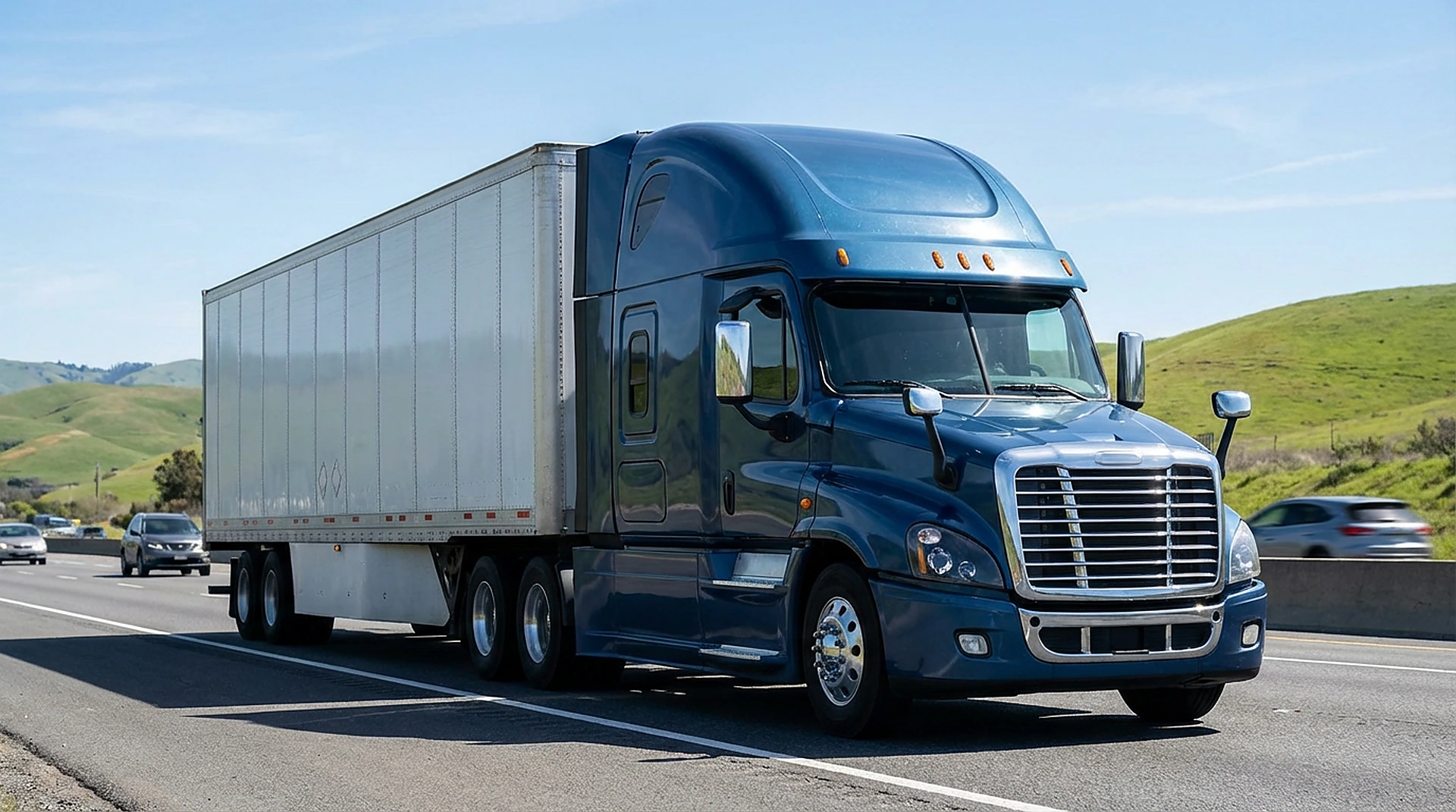
Long-distance and van-line movers run tractor-trailers with moving-specific trailers for interstate household-goods hauls. New tractors run well into six figures; used units and trailers vary widely. Because these are large-ticket purchases, lenders weigh time in business, mileage, and revenue alongside the collateral.
How to finance tractor-trailersThe guides below cover the cash-flow and equipment questions movers ask most. For a full overview of equipment financing across all industries, see Equipment Financing. For all guide articles, see Equipment Financing Articles.
Moving revenue is concentrated in summer, but you hire crews and prep trucks before it lands. How movers fund the peak-season ramp and carry the slow winter.
Read moreTurning down jobs for lack of a truck caps your season. How movers finance box trucks, vans, and trailers so added capacity pays for itself.
Read moreCorporate relocation and van-line jobs pay net-30/60 while fuel and payroll are due now. How movers bridge it with factoring and a line of credit.
Read moreWhat credit profile movers need to qualify for box-truck, van, and trailer financing — and what to do if your score is below the typical threshold.
Read moreUsed box trucks and vans can be financed — but with different terms than new. What lenders look at on mileage and condition, and how to structure the deal.
Read moreWhy most truck and equipment loans get approved in 24-48 hours and what document delays slow that down — critical when peak season is days away.
Read moreLease or loan for a box truck? How the math, tax treatment, and end-of-term options differ — and which structure typically fits a moving fleet’s cycle.
Read moreHow seasonal operators like movers size and time working capital to fund the ramp and carry the off-season without a cash crunch.
Read moreWhen a moving company should use straight truck financing, when SBA 7(a) is the better tool, and how to combine both for a fleet plus working capital.
Read moreMoving companies need financing built for the way the business actually runs — trucks that pay for themselves across a season, working capital that funds the peak-season ramp and carries the slow winter, and factoring or a line of credit that bridges net-60 corporate and van-line receivables. Axiant Partners connects local, long-distance, and commercial movers with lenders that offer the full mix. Submit your information once and we match you with programs suited to your business profile.
We also provide financing for trucking & freight, logistics & warehousing, and cleaning companies. View all industries.