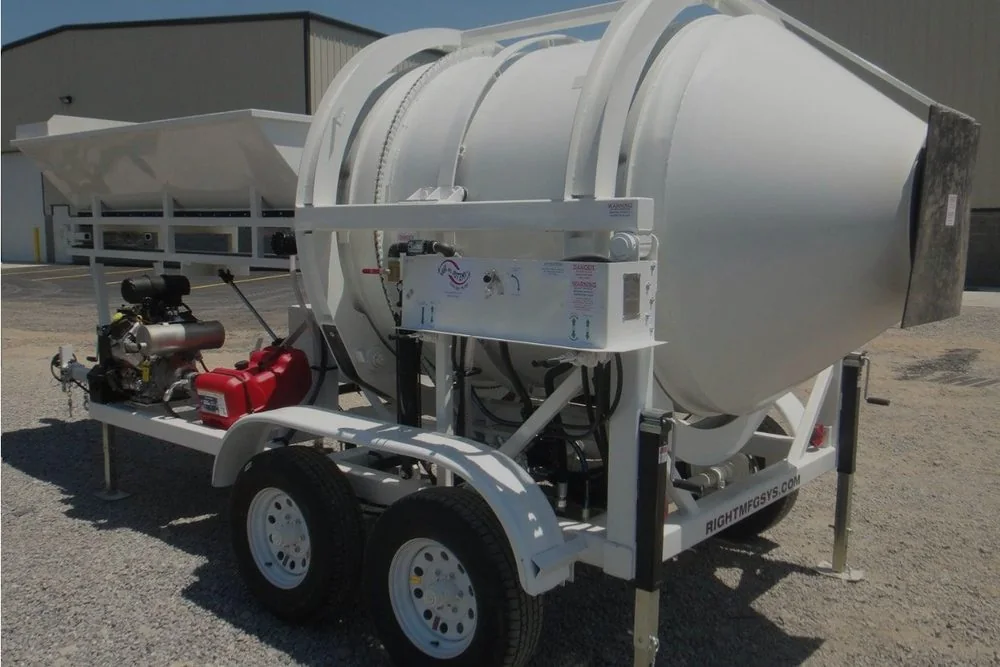
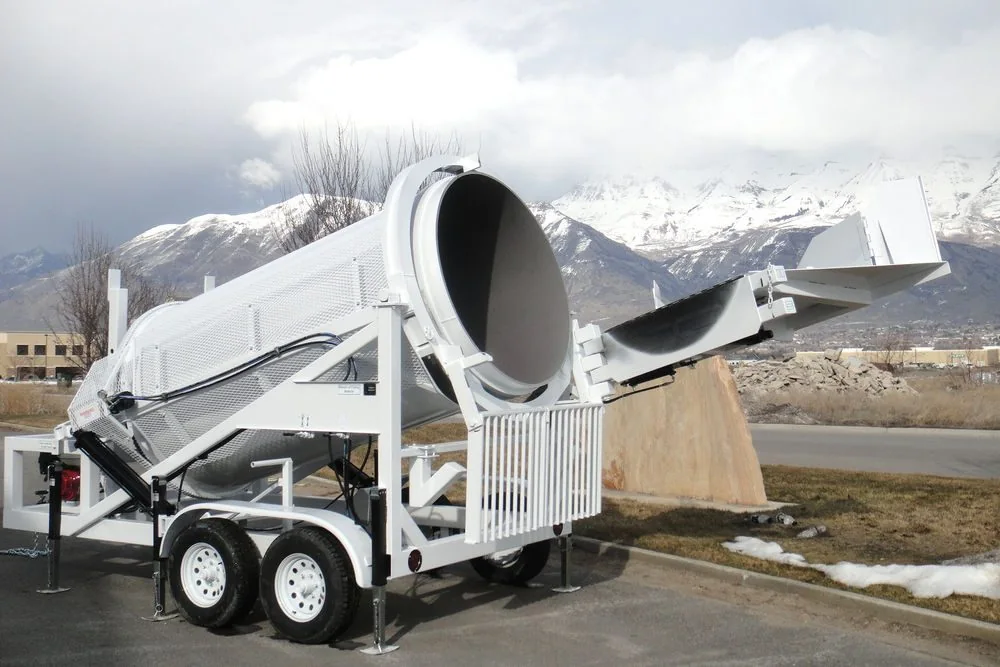
 8,000 lb capacity
High-capacity portable rotary rock tumblers and processing accessories that deploy in minutes on remote sites — plus conveyors and a thin-stone saw to round out the line. How financing works →
All financeable through Axiant. Live inventory & pricing on Right Manufacturing Systems, Inc. (Mix Right).
8,000 lb capacity14,000 lb capacityVibratory systemBelted chain conveyorThin-stone sawEquipment is manufactured and sold by Right Manufacturing Systems, Inc. (Mix Right). Axiant Partners is an independent financing partner and arranges equipment financing; pricing and full specifications are provided by the manufacturer. Financing is subject to credit approval.
| Model | Capacity | Configuration | Specs |
|---|---|---|---|
| 3DH | 8,000 lb capacity | Rotary rock tumbler · job-ready within 10 minutes | View ↗ |
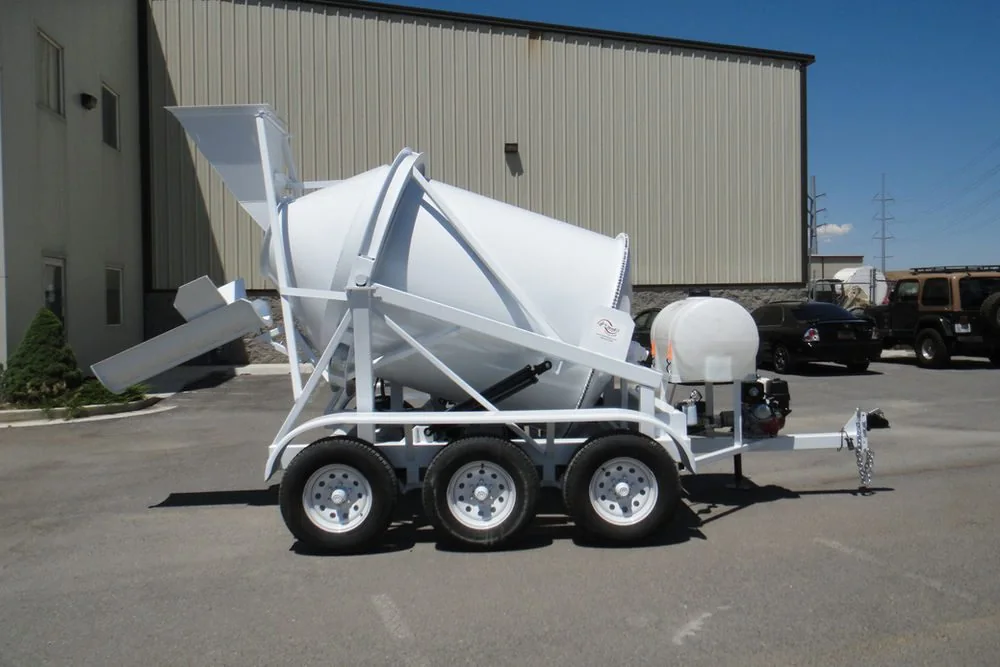
| 4DH | 14,000 lb capacity | Rotary rock tumbler · deployable in 10 minutes | View ↗ |
| 5VE | Vibratory system | For thin tiles and pavers — stone, clay, veneer, porcelain, concrete | View ↗ |
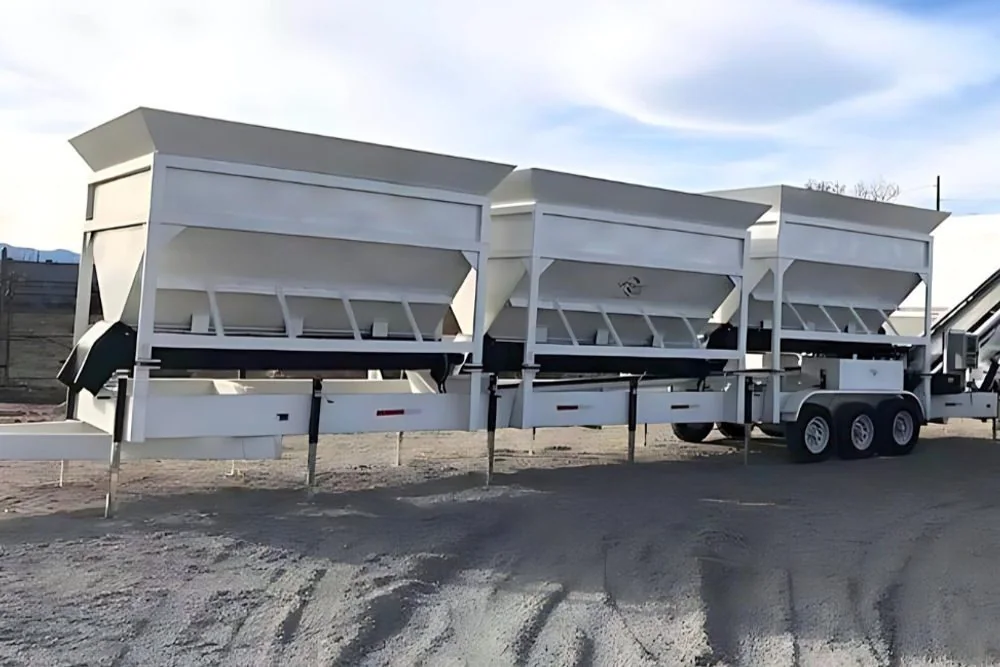
| F3 / F4 Conveyor | Belted chain conveyor | Transfers heavy or bulky finished product | View ↗ |
| SC-40 | Thin-stone saw | Precision cutting for thin stone and veneer | View ↗ |
Choose your model, and finance it through Axiant — spread the cost and keep your cash working.
A rotary drum that tumbles rock, aggregate or stone with water to strip off dirt, clay and fines. It cleans the material and knocks the sharp edges off it. These run 8,000 and 14,000 lb capacities, are portable, and are job-ready in about ten minutes — which matters, because the rock rarely comes to you.
Think of it less as a machine and more as the step between a pile of dirty rock and a product with a price on it.
This is the entire business case, and it is worth being blunt about it. Dirty, unsorted rock is either a low-value product or an outright disposal cost — you pay to move it and you pay to dump it. Washed, graded, clean stone is a product with a market price. The tumbler is the machine that moves material from the first column to the second.
Where that shows up:
On this page the accessories are not accessories. A tumbler alone is one step, and one step in isolation tends to create a bottleneck somewhere else. The line matters:
The portable, ten-minute setup is what makes any of this practical on a remote site, because the alternative is hauling raw material to a fixed plant and hauling the product back — and the freight on rock will quietly eat the margin on rock.
Concrete equipment is a textbook financing case: it is a hard asset that holds its value, so the machine carries much of the credit decision itself rather than resting entirely on your balance sheet. That is what puts it in reach of a growing contractor and not only the biggest yards. Terms are normally structured to the life of the equipment, so the payment sits against the work it wins you. Mix Right sells through quotes rather than a published price list, so get the quote for the exact configuration you want, then use the estimator above to see what that becomes as a monthly payment. Approvals commonly come back in about 24 hours.
It tumbles rock, aggregate or stone in a rotating drum with water, stripping dirt, clay and fines and knocking the sharp edges off. The output is clean, graded material that can be sold, rather than dirty rock that has to be hauled away.
The two tumblers here are 8,000 lb and 14,000 lb capacity. Choose on the volume you need to move in a working day rather than on the size of the pile, and remember that feed and stockpiling — not the drum — are usually what limits real throughput.
The belted chain conveyor feeds the tumbler and stockpiles its output, so a loader and operator are not tied up every cycle. The thin-stone saw cuts veneer and thin stone, which is the highest-value product on this page — it turns raw rock into architectural stone.
Yes, and they are usually financed together, because the tumbler on its own tends to move the bottleneck rather than remove it. It is asset-based equipment financing with terms set to the life of the machines. Get the Mix Right quote and use the estimator above.