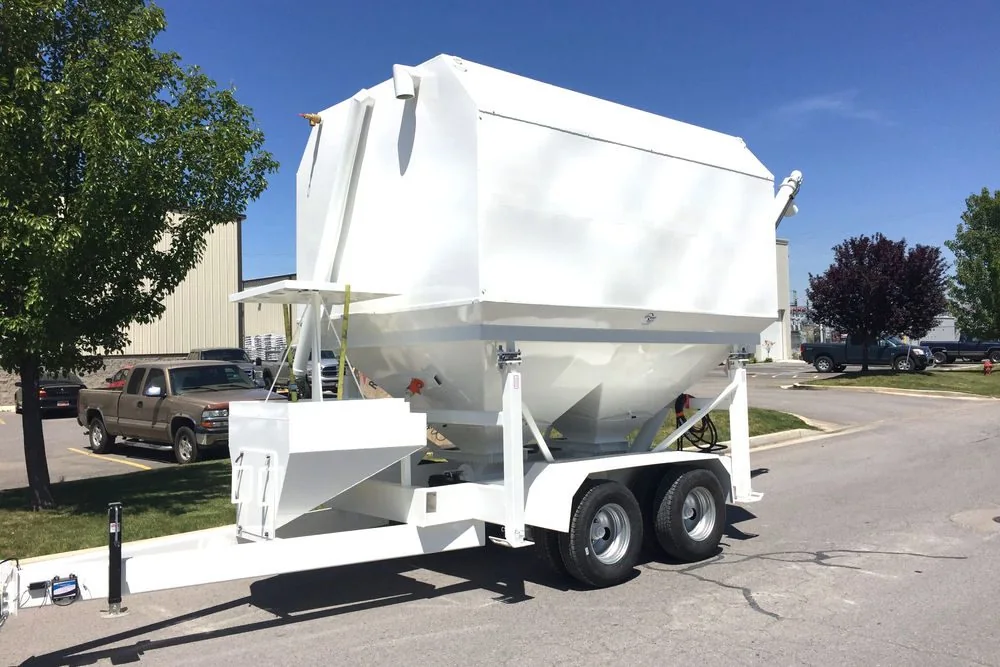
 55 tons
7SL-120
Hydraulic drive · optional 8" auger to 1,500 lb/min discharge

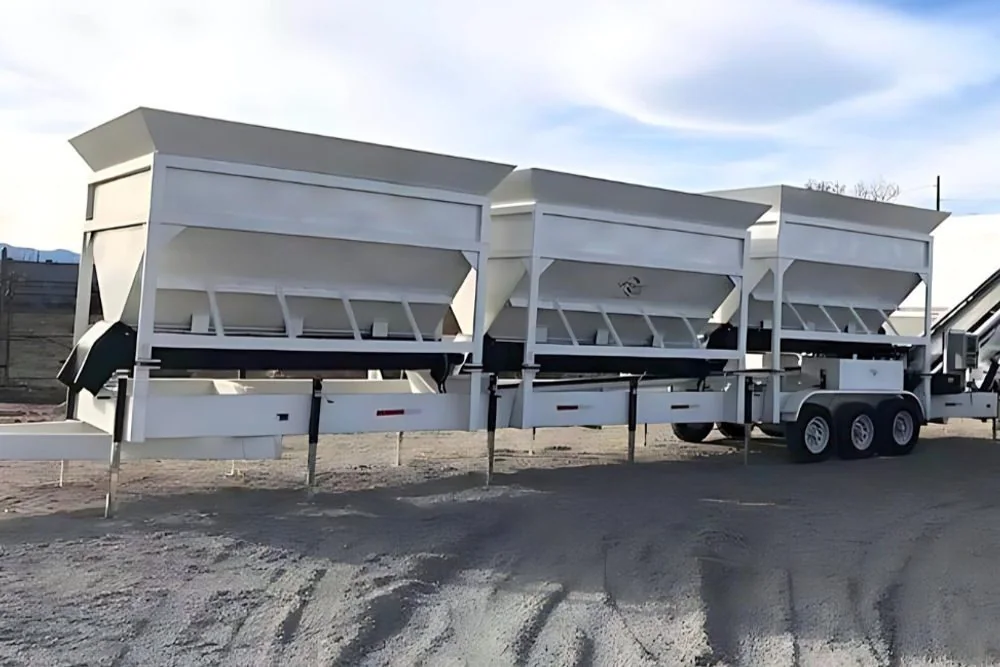
Portable, road-legal cement silos that store and dispense bulk powder on site. Hydraulic drive, fluidization, and auger options — from 2 super sacks up to 55 tons of storage. How financing works →
All financeable through Axiant. Live inventory & pricing on Right Manufacturing Systems, Inc. (Mix Right).
55 tons35 tons15 tons6 tons2 super sacksEquipment is manufactured and sold by Right Manufacturing Systems, Inc. (Mix Right). Axiant Partners is an independent financing partner and arranges equipment financing; pricing and full specifications are provided by the manufacturer. Financing is subject to credit approval.
| Model | Capacity | Configuration | Specs |
|---|---|---|---|
| 7SL-120 | 55 tons | Hydraulic drive · optional 8" auger to 1,500 lb/min discharge | View ↗ |
| 7SL-80 | 35 tons | Fluidization system with aeration pads and air hammer | View ↗ |
| 7SL-30 | 15 tons | 6" standard auger · optional 8" auger | View ↗ |
| 7SL-12 | 6 tons | Popular with volumetric truck operators · super-sack bag breaker | View ↗ |
| 7SL-2SS | 2 super sacks | Configurable with load cells, indicator, and printer | View ↗ |
Choose your model, and finance it through Axiant — spread the cost and keep your cash working.
A silo stores bulk powder on site — cement, fly ash, lime — and dispenses it into your plant or mixer on demand. These are road-legal and portable, so the silo travels to the job rather than the job being organized around the silo. They run from two super sacks up to 55 tons.
Mechanically there are three things to understand. The hydraulic drive raises it into position without a crane. Fluidization keeps the powder moving instead of bridging and packing solid in the cone, which is the failure mode that turns a silo into a very large paperweight. And the auger discharges it — an optional 8-inch auger moves up to 1,500 lb a minute, which is what lets a silo keep up with a batch plant rather than starve it.
A cement silo is not really a storage decision. It is a purchasing decision. Bagged cement is the most expensive way to buy cement, and it is also the most expensive way to handle it, because a person has to cut and empty every single bag. Bulk cement is cheaper per ton and it flows. The silo is simply the thing that allows you to buy bulk at all.
So the break-even is a volume question, and you can answer it from your own paperwork rather than anyone's brochure:
If you are moving pallets of bags every week, this comparison is usually not close — the cement price alone tends to cover the silo before you even reach the labour line. If you buy a few bags a month, it is not close in the other direction, and you should not buy one.
Match the silo to what it feeds and to how far you are from a bulk delivery:
The mistake to avoid is sizing purely on your batch plant and forgetting the delivery. On a remote site, the silo that matters is the one big enough that a cement truck coming out to you is worth the trip. A silo pairs naturally with a dry batch plant or a wet batch plant, and it is usually bought alongside one.
Concrete equipment is a textbook financing case: it is a hard asset that holds its value, so the machine carries much of the credit decision itself rather than resting entirely on your balance sheet. That is what puts it in reach of a growing contractor and not only the biggest yards. Terms are normally structured to the life of the equipment, so the payment sits against the work it wins you. Mix Right sells through quotes rather than a published price list, so get the quote for the exact configuration you want, then use the estimator above to see what that becomes as a monthly payment. Approvals commonly come back in about 24 hours.
It stores bulk cement or other powders on site and dispenses them into your batch plant or mixer on demand. Hydraulic drive raises it into position, fluidization keeps the powder flowing rather than bridging in the cone, and an auger discharges it — an optional 8-inch auger moves up to 1,500 lb per minute.
Per ton, essentially always — and the gap widens once you count the labour of cutting and emptying every bag, plus the waste in torn and hardened ones. The silo is what allows you to buy bulk at all. Whether it pays depends on your annual tonnage, so run it against your own cement invoices and a bulk quote rather than a rule of thumb.
Two super sacks suits a mixer trailer or small crew; 6 to 15 tons suits a working plant on a job; 35 to 55 tons suits a production plant or a remote site where you want bulk deliveries to be worth the haul. Size on the delivery, not only on the plant.
Yes, and it is commonly financed alongside the batch plant it feeds. It is asset-based equipment financing, so the silo carries much of the deal. Get the Mix Right quote and Axiant can size the payment, usually with a decision in about 24 hours.