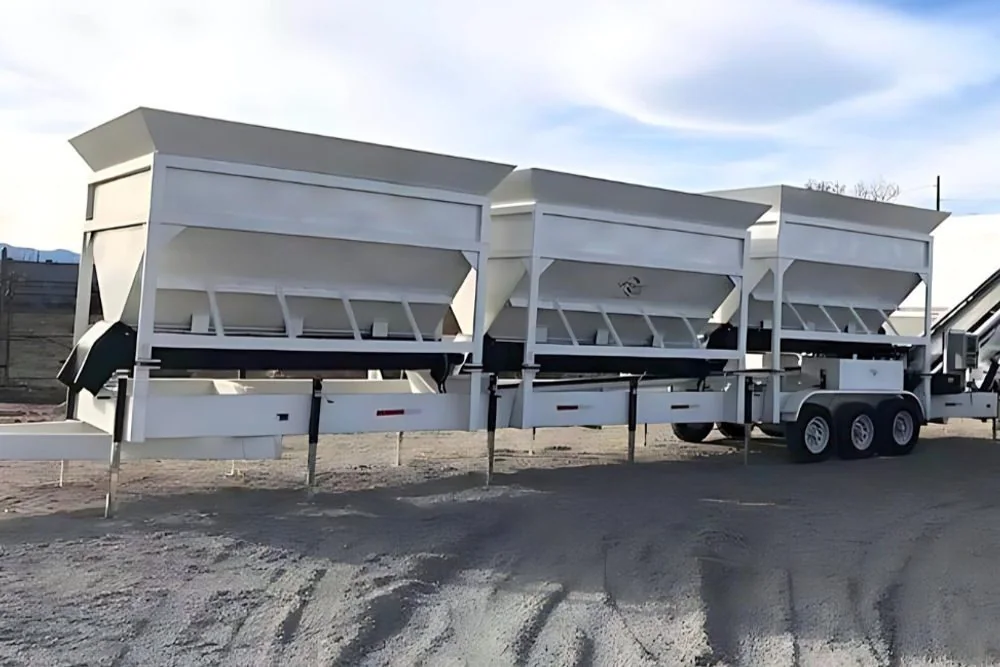
 36+ cu yd
Portable dry-batch plants that weigh and dispense aggregate, sand, and cement into a mixer or ready-mix truck. Computer-controlled and manual configurations from 5 to 36+ cubic yards, in single- and multi-bin layouts. How financing works →
All financeable through Axiant. Live inventory & pricing on Right Manufacturing Systems, Inc. (Mix Right).
36+ cu yd24+ cu yd16+ cu yd12+ cu yd8+ cu yd5+ cu yd12+ cu yd8+ cu yd5+ cu yd| Model | Capacity | Configuration | Links |
|---|---|---|---|
| 2CL-36-3 | 36+ cu yd | Computer-controlled · 3 aggregate bins (12 yd each) | View ↗ · Finance |
| 2CL-24-2 | 24+ cu yd | Automated · 2 aggregate bins (12 yd each) | View ↗ · Finance |
| 2CL-16-2 | 16+ cu yd | Computer-operated · 2 bins (8 yd each) | View ↗ · Finance |
| 2CL-12-2 | 12+ cu yd | Automated · 2 bins (6 yd each) | View ↗ · Finance |
| 2CL-8-2 | 8+ cu yd | Computer-controlled · 2 bins (4 yd each) | View ↗ · Finance |
| 2CL-5-2 | 5+ cu yd | Automated · 2 bins (2.5 yd each) | View ↗ · Finance |
| 2CL-12 | 12+ cu yd | Manual controls · single bin | View ↗ · Finance |
| 2CL-8 | 8+ cu yd | Manually operated · single bin | View ↗ · Finance |
| 2CL-5 | 5+ cu yd | Manual control · single aggregate bin | View ↗ · Finance |
Equipment is manufactured and sold by Right Manufacturing Systems, Inc. (Mix Right). Axiant Partners is an independent financing partner and arranges equipment financing; pricing and full specifications are provided by the manufacturer. Financing is subject to credit approval.
| Model | Capacity | Configuration | Specs |
|---|---|---|---|
| 2CL-36-3 | 36+ cu yd | Computer-controlled · 3 aggregate bins (12 yd each) | View ↗ |
| 2CL-24-2 | 24+ cu yd | Automated · 2 aggregate bins (12 yd each) | View ↗ |
| 2CL-16-2 | 16+ cu yd | Computer-operated · 2 bins (8 yd each) | View ↗ |
| 2CL-12-2 | 12+ cu yd | Automated · 2 bins (6 yd each) | View ↗ |
| 2CL-8-2 | 8+ cu yd | Computer-controlled · 2 bins (4 yd each) | View ↗ |
| 2CL-5-2 | 5+ cu yd | Automated · 2 bins (2.5 yd each) | View ↗ |
| 2CL-12 | 12+ cu yd | Manual controls · single bin | View ↗ |
| 2CL-8 | 8+ cu yd | Manually operated · single bin | View ↗ |
| 2CL-5 | 5+ cu yd | Manual control · single aggregate bin | View ↗ |
Choose your model, and finance it through Axiant — spread the cost and keep your cash working.
A dry batch plant weighs aggregate, sand and cement and dispenses them — still dry — into a mixer truck. The truck adds the mixing on the drive to the pour. So the plant is a weighing and loading machine, not a mixing machine.
That sounds like a limitation until you notice it is usually the right answer. If you already run mixer trucks, the truck is your mixer. Buying a central mixer you do not need adds cost to the purchase and a wearing part to maintain, and it slows the plant down, because a wet plant can only discharge as fast as it can mix. A dry plant does one job: it loads a truck accurately and gets it moving.
On a dry plant the number that decides everything is aggregate storage, because storage is what determines how many trucks you can load before a loader has to stop and refill the bins. These plants run from 5+ up to 36+ cubic yards, with three aggregate bins of 12 yards each on the largest.
The trap is buying storage for the average day instead of the busy one. A plant that keeps up comfortably in February and holds your trucks in a queue in July has cost you the whole summer. Size it for the days that pay.
This is the only real decision, and it is not close once you frame it properly:
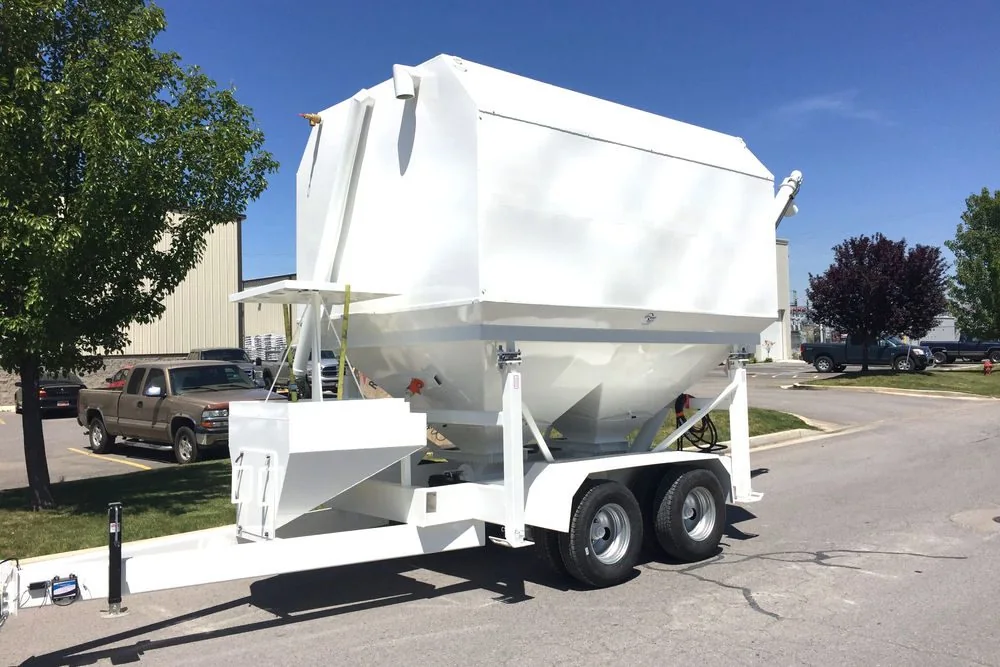
A dry plant also pairs naturally with a portable cement silo, since bulk cement is what makes the economics of batching your own work at all.
Concrete equipment is a textbook financing case: it is a hard asset that holds its value, so the machine carries much of the credit decision itself rather than resting entirely on your balance sheet. That is what puts it in reach of a growing contractor and not only the biggest yards. Terms are normally structured to the life of the equipment, so the payment sits against the work it wins you. Mix Right sells through quotes rather than a published price list, so get the quote for the exact configuration you want, then use the estimator above to see what that becomes as a monthly payment. Approvals commonly come back in about 24 hours.
It weighs aggregate, sand and cement to your mix design and dispenses them dry into a mixer truck. The truck does the mixing on the way to the pour. The plant handles accuracy and loading speed; the truck handles the mixing.
If you already run mixer trucks, buy dry: the truck is your mixer, and a wet plant duplicates capacity you own. If you need finished concrete at the point of use and have no mixer truck, buy wet, because a dry plant produces nothing usable without one.
Storage decides how many trucks you can load before the loader has to refill the bins. Small yards manage on 5 to 8 cubic yards; steady operations want 12 to 16; a multi-truck operation wants 24 to 36 or more. Size for your busiest weeks, not your average one.
Yes, and financing is the normal way these are bought. The plant is a hard asset, so the equipment carries much of the deal. Get the quote from Mix Right and Axiant can price the monthly payment, usually with a decision in about 24 hours.