
Updated June 3, 2026
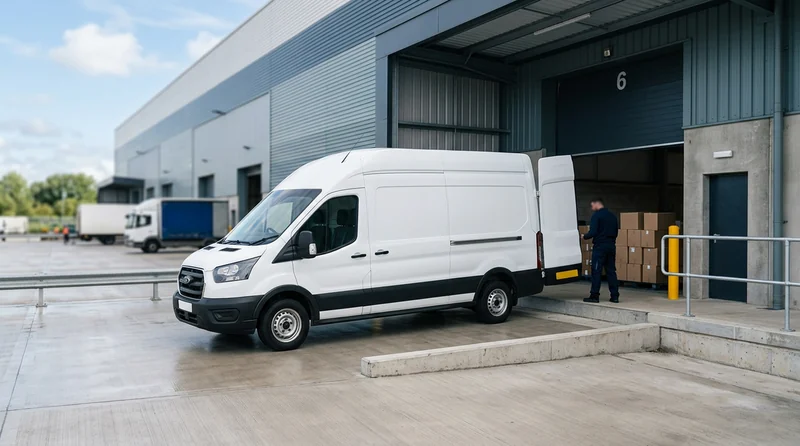
Why Finance a Van Instead of Paying Cash
Growth in an HVAC business is usually gated by trucks and technicians, not by demand. When you have more calls than you can cover, the fix is another van on the road — but paying $50,000–$80,000 in cash for a fully outfitted service vehicle can wipe out the working capital you need to make payroll and buy parts. Financing solves the mismatch: the van starts producing revenue immediately, while the cost is spread over the years you will actually use it. In effect, the new truck pays for itself out of the jobs it runs, and your cash stays available for operations.
There is also a tax dimension worth raising with your accountant. Financed work vehicles and equipment can often be partially or fully deducted under IRS Section 179 or bonus depreciation in the year placed in service, even though you only paid a down payment. For many HVAC owners that materially lowers the true after-tax cost of adding a van — confirm the current-year limits with your CPA.
What It Costs to Put a Van on the Road
The sticker price of the vehicle is only part of the number. A service-ready HVAC van typically includes the cargo van itself, interior shelving and bins, a ladder rack, wrapping or lettering, and the tools and instruments the tech carries. Those add-ons can total several thousand to well over ten thousand dollars on top of the vehicle. The good news is that much of the upfit can frequently be bundled into the same financing as the van, so you finance the working truck as a unit rather than buying the build-out in cash separately.
- Vehicle: new or used cargo/service van — see cargo van financing.
- Upfit: shelving, drawers, racks, partitions, and wrap.
- Onboard equipment: recovery machines, gauges, vacuum pumps, and tooling.
Lease vs. Loan for HVAC Vans
The two main structures answer different questions. A loan builds ownership: you hold the title, build equity, and once it is paid off the van keeps earning with no payment. That fits companies that run vehicles for many years and rack up high mileage. A lease generally lowers the monthly payment and makes it easier to cycle into newer vans on a regular schedule, which can suit shops that want fresh, reliable, well-branded vehicles and predictable replacement cycles. Leases can also carry different tax treatment. Neither is universally better — map it to how long you keep vans and what your accountant advises.
Financing One Van vs. Building a Fleet
Adding your second or third van is a different conversation than fielding ten. For a single van, a straightforward equipment or vehicle loan is usually all you need. As you scale into a fleet, lenders look more closely at total debt service across all vehicles, your utilization (are the trucks you have staying busy?), and whether you are adding capacity to meet booked demand or speculatively. The healthiest fleet growth is staged to utilization: add the next van when the current ones are consistently full, so each truck is earning rather than sitting. Pairing vehicle financing with a line of credit for parts and payroll keeps the asset purchase from competing with day-to-day operating cash.
What Lenders Look For
Vehicle and equipment lenders weigh both the borrower and the asset. On the borrower side they want reasonable time in business, consistent revenue, and personal credit — many programs start around 600+, with the best pricing at 650–680+, and options for lower scores when revenue and history are strong (usually with more money down). On the asset side, newer and lower-mileage vans qualify for longer terms and lower down payments, while older or higher-mileage units may need a shorter term or larger down payment. A clean quote with the vehicle details and a clear upfit spec speeds approval. For the broader checklist, see equipment financing requirements.
How the Approval Process Works
Adding a van is usually one of the faster financing moves an HVAC company makes. After you choose the vehicle and get a quote, a single application can be matched to vehicle-friendly lenders — qualified files often see a decision within 24–72 hours. Once approved and the van (and any bundled upfit) is verified, funds go to the dealer or vendor and the truck is yours to put into service. Applying once and comparing offers, rather than submitting to many lenders separately, avoids stacked hard credit pulls and keeps the process clean.
What a Financed Van Costs vs. What It Earns
The decision gets clearer when you put the payment next to the revenue the van produces. Consider a fully outfitted service van — vehicle plus upfit — financed over a typical term. The point isn’t the exact payment (your rate, term, and credit drive that); it’s the comparison. A single tech in a single van billing even a few service or install jobs a week generates far more in monthly revenue than the vehicle’s financing payment. The van is a profit center on wheels, and the payment is a fraction of what that profit center bills.
| Line item (illustrative) | Rough figure |
|---|---|
| Service-ready van (vehicle + upfit) | ~$55,000–$70,000 |
| Financed over a multi-year term | manageable monthly payment |
| Revenue from one tech, full schedule | many multiples of the payment |
| Net effect on cash | positive once the tech is booked |
These are illustrative ranges, not a quote — run your own numbers in the calculator. The deeper lesson is to size the decision to utilization, not just the sticker price. A van only pays for itself if you have the booked demand and a tech to put in it; if both are there, financing it (rather than paying cash) is almost always the stronger move because it adds capacity while leaving your operating cash intact. The failure mode is the reverse: financing a van speculatively, before the demand or the technician exists, so it sits underbilled while the payment comes due. Add the truck when the schedule is overflowing, and the math takes care of itself. The same logic scales: when you’re ready for a second or third van, finance each one as the prior trucks fill up, so every vehicle is earning before the next payment begins — staged growth keeps the fleet’s total debt service comfortably inside the revenue it produces, which also reads well to a lender weighing the next approval.
Bottom Line
An HVAC service van is a revenue-producing asset, so it makes sense to finance it like one: put the truck and technician to work now, and pay for the van out of the jobs it runs. Decide between a loan (ownership, long-haul value) and a lease (lower payment, easier cycling), bundle the upfit where you can, and keep operating cash free for payroll and parts. Start at the HVAC business financing hub, then get matched to compare van and fleet options for your business.
Frequently Asked Questions
Can you finance a service van for an HVAC business?
Yes. HVAC vans are commonly financed through equipment or commercial vehicle financing, often with little or no money down for established businesses. New and used vans both qualify when the vehicle and borrower profile fit the lender's program.
Is it better to lease or finance an HVAC van?
A loan builds ownership and equity and fits vans you plan to keep for many years. A lease lowers the monthly payment and makes it easier to cycle into newer vehicles. The right choice depends on how long you keep vans and your tax strategy.
Can you finance the shelving and equipment that outfit the van?
Often yes. The upfit, shelving, and onboard equipment can frequently be bundled into the financing alongside the vehicle, so you are not paying for the build-out in cash on top of the van itself.
What credit score is needed to finance an HVAC van?
Many equipment and vehicle lenders look for 600+ and offer the best pricing at 650-680+. Programs exist for lower scores when the business has solid revenue and time in operation, often with a larger down payment.
Still deciding? Tell us about your business and compare real options. Free, no obligation, and checking won't affect your credit.