
Updated April 8, 2026
Quick answer
The eight mistakes that wipe out flip margin: underbidding rehab (budgets routinely run 20-40% over, so add a 10-20% contingency), using the wrong loan product, blowing the 6-18 month timeline on permits or contractors, overpaying (the 70% rule says purchase + rehab should not exceed 70% of ARV minus selling costs), skipping title and zoning diligence, ignoring holding and selling costs, mismanaging the draw process, and entering without a backup exit. Buy on numbers, build for delays, model every carrying-cost dollar.
1. Underbidding Rehab Cost and Timeline
One of the most frequent and costly mistakes is underbidding the rehab. Investors often rely on a rough walk-through or a contractor’s ballpark number and then discover hidden issues: structural problems, code upgrades, permit delays, or scope creep. When rehab runs 20–40% over budget and takes months longer than planned, carrying costs (interest, utilities, insurance, taxes) add up and profit shrinks or disappears.
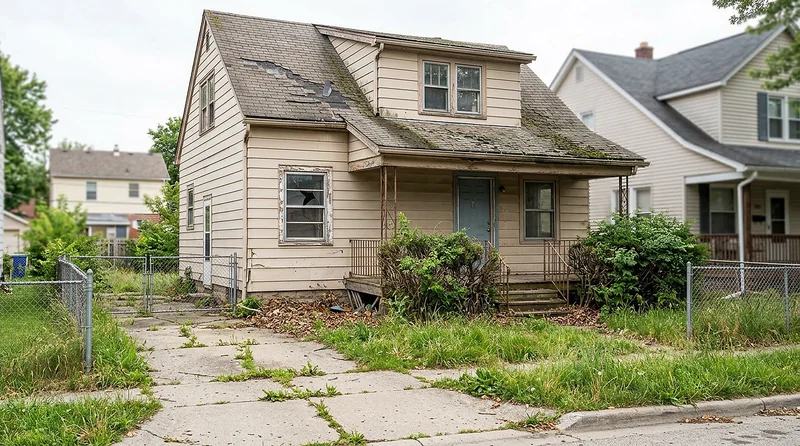
To avoid this mistake, get detailed, line-item quotes from licensed contractors before you close. Include contingency for unknowns—many experienced flippers add 10–20% to the rehab budget. Factor in permit and inspection timelines; they can add weeks or months in some markets. If you are new to flipping, work with a contractor or consultant who has done rehabs in the same area and can point out common local issues (e.g., foundation, electrical, HVAC). Your fix and flip loan may include a rehab reserve; make sure it's based on a realistic budget, not a best-case number. See what lenders look for in a fix and flip loan and how they evaluate rehab scope.
2. Using the Wrong Loan Product
Fix and flip loans are short-term, interest-only (or similar) products designed for acquisition plus rehab with a sale (or refinance) within 6–18 months. Using a long-term mortgage, a product with prepayment penalties, or a loan that doesn't fund rehab draws can create problems. You may pay more in interest than necessary, face penalties if you sell early, or run out of funds before rehab is complete.
Match the loan to the strategy. A dedicated fix and flip loan typically provides acquisition and rehab funding, releases draws as work is completed, and expects payoff at sale. If you're considering a fix and flip vs hard money loan, compare rates, fees, and draw process. For multifamily or other property types, see fix and flip loans for multifamily properties. Choosing the right product from the start avoids refinancing or costly surprises later. See typical fix and flip loan rates and down payment requirements so you can budget correctly.
3. Blowing the Timeline
Fix and flip loans are priced for a short hold. The longer you hold, the more you pay in interest and carrying costs, and the more exposure you have to market shifts. Delays from slow permits, contractor availability, or underestimating scope can push your exit out by months. That can trigger extension fees, higher total interest, and in a down market, a lower sale price than you modeled.
Set a realistic timeline from day one. Build in buffer for permits, weather (if exterior work is involved), and contractor scheduling. Line up your contractor and subs before you close so work can start quickly. Track progress weekly and address delays immediately. If you're a first-time flipper, see fix and flip loans for first-time flippers for tips on planning and execution. For speed of closing, see how fast you can close a fix and flip loan so you can align your purchase contract with lender timing.
4. Overpaying for the Property
Profit is made when you buy. If you pay too much for the property, even a perfect rehab and on-time sale may not leave enough margin. The 70% rule (purchase + rehab ≤ 70% of ARV minus selling costs) is a common guideline; your minimum profit threshold may be different, but the principle is the same: leave enough room for rehab, holding costs, and profit after sale.
Get a solid after-repair value (ARV) from comparable sales and, if possible, an appraisal or broker opinion. Deduct rehab, holding costs, and your desired profit to get your max purchase price. If the seller will not meet that number, walk away or wait for a better deal. Don't fall in love with a property or let competition push you above your numbers. See what ARV is in fix and flip loans and maximum LTV for fix and flip loans so you know how lenders will cap your loan and what you need for down payment.
5. Skipping Due Diligence
Failing to do proper due diligence can uncover nasty surprises after close: liens, title issues, zoning or permit problems, or environmental concerns. These can delay or kill a sale and sometimes require significant additional investment. Order a title report, review survey and zoning, and walk the property with a contractor and, if needed, an inspector. For out-of-state deals, see fix and flip loans for out-of-state investors and build in extra diligence and local expertise.
6. Underestimating Holding and Selling Costs
Interest, utilities, insurance, taxes, and selling costs (agent commission, closing costs, staging) all reduce net profit. Some flippers focus only on purchase and rehab and forget to model carrying and exit costs. When those are added in, the deal may barely break even or lose money. Build a full pro forma that includes every cost from close to sale, and stress-test it with a longer hold and a 5–10% lower sale price to see if the deal still works.
7. Ignoring Lender Requirements and Draw Process
Fix and flip lenders typically release rehab funds in draws as work is completed. If you don't understand the draw process, documentation requirements, and inspection timing, you can slow down funding and delay the rehab. That extends your hold and increases cost. Before you close, review the lender’s draw requirements and make sure your contractor can comply (invoices, inspections, lien waivers). Plan your rehab schedule around draw releases so you're not waiting on funds to start the next phase.
8. Not Having a Clear Exit Strategy
Lenders want to see a clear exit: sale or refinance within the loan term. If you don't have a realistic plan, you may choose the wrong product or term. If the market softens and you can't sell at your target price, you need a backup (e.g., rent and refinance, or extend). Discuss exit strategy with your lender and have a contingency plan so you're not forced to sell at a loss or default. See credit score requirements for fix and flip loans and what lenders look for so you can present a strong application and exit plan.
Summary: Protect Your Deal and Your Profit
Fix and flip mistakes often come down to underestimating cost and time, choosing the wrong financing, or overpaying for the asset. To avoid them: budget rehab with a contingency, use a loan product designed for flips, set a realistic timeline and stick to it, and never exceed your max purchase price based on ARV and costs. Do thorough due diligence, model all holding and selling costs, and understand your lender’s draw process and exit expectations. Before you sign, check fix and flip loan red flags (points, fees, draw schedule, prepayment) so your terms match your project. When you're ready to finance your next flip, get matched with fix and flip lenders who offer acquisition and rehab funding with clear terms and draw schedules.
For longer holds or larger assets, commercial bridge loans cover similar ground with different terms.
Frequently Asked Questions
What is the biggest mistake fix and flip investors make?
Underbidding rehab cost and timeline. Unexpected repairs and delays eat into profit and can force you to hold the property longer, paying more in interest and carrying costs. Always get detailed quotes and add a contingency buffer (10-20%) for rehab and timeline.
Should I use a fix and flip loan or a different product?
Fix and flip loans are designed for short-term hold, acquisition plus rehab, and sale within 6-18 months. Using a long-term mortgage or the wrong product can mean higher cost, prepayment penalties, or terms that don't match your exit. Match the loan to the strategy.
How do I avoid overpaying for a flip?
Stick to the 70% rule or your own max purchase price based on ARV minus rehab, holding costs, and profit. Get an accurate ARV from comps and a detailed rehab budget. If the numbers don't leave enough margin, walk away or renegotiate.