
Updated August 1, 2026
Quick answer
Fix and flip loans for beginners are approved on the deal, not your résumé: most lenders cap first-timers at 65–70% of after-repair value versus 70–75% for proven flippers, and want 700+ credit plus reserves. Yes—many fix and flip lenders work with beginners and first-time flippers. You typically need 700+ credit preferred, a strong deal with solid ARV support, realistic rehab scope, and sufficient liquidity for down payment and reserves.
ARV: The Foundation of Your Fix and Flip Loan
After-repair value (ARV) is the projected value of the property once renovations are complete. Lenders use ARV to determine how much they will advance—typically up to 65-75% of ARV for the total loan (purchase + rehab). First-time flippers often receive the conservative end: 65-70% of ARV. That means you need more equity (down payment) in the deal. ARV must be supported by comparable sales. Lenders will require an appraisal or broker price opinion (BPO). Overstated ARV is a red flag and can kill approval. Use recent, similar sales in the same neighborhood; avoid best-case or aspirational numbers. See maximum LTV for fix and flip for leverage caps.
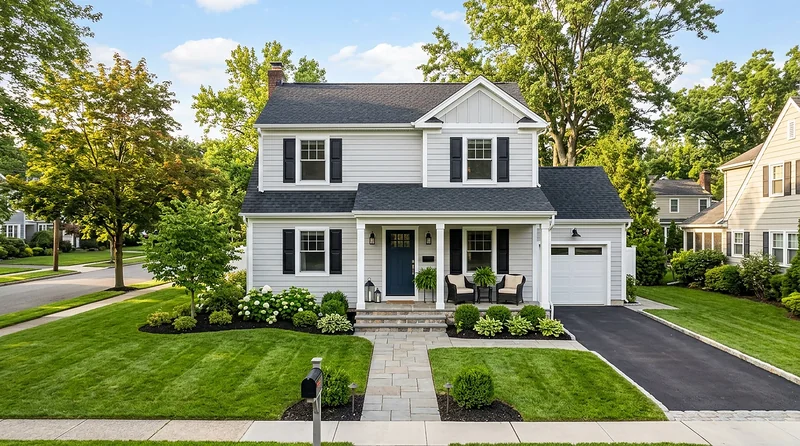
How Lenders Evaluate ARV for First-Time Flippers
Lenders scrutinize ARV more closely for first-timers. They may:
- Use a conservative BPO or appraisal; some lenders haircut ARV by 5-10% for first-timers
- Require more comparables (3-5+ recent sales within 1 mile)
- Verify that comparables match the subject in size, condition, and location
Your job: present a defensible ARV with solid comps. If you are at $250,000 ARV and the lender's BPO comes in at $235,000, your loan amount drops and you need more cash. Build a margin—target deals where your ARV is conservative relative to the market. See ARV calculation and common mistakes.
| Borrower Type | Typical LTARV | Notes |
|---|---|---|
| Experienced flipper (5+ deals) | 70-75% | Best terms, higher leverage |
| Some experience (1-4 deals) | 68-72% | Moderate leverage |
| First-time flipper | 65-70% | Conservative; more equity required |
Experience: What Lenders Actually Care About
Experience is a factor but not a disqualifier. Lenders care about:
- Deal quality: Can the numbers support the loan? Strong ARV, realistic rehab, clear margin.
- Execution ability: Do you have a contractor? A clear scope? Reserves for overruns?
- Liquidity: Can you cover down payment, closing costs, carrying costs, and contingencies?
First-time flippers compensate for lack of experience with a stronger deal. Choose a simpler project (cosmetic vs structural). Present a detailed rehab budget with line items. Get contractor quotes in writing. Show reserves of 6+ months of carrying costs. See credit requirements—700+ helps offset inexperience. Some lenders have first-time flipper programs with slightly higher points but clearer criteria. See fix and flip vs hard money for program types.
Deal Structure That Works for First-Time Flippers
The 70% rule is a guideline: purchase price + rehab should not exceed 70% of ARV. For first-timers, target 65-68% to build margin and improve approval odds. Example:
- ARV: $300,000
- Target all-in (purchase + rehab): $195,000-$204,000 (65-68% of ARV)
- Purchase: $150,000 | Rehab: $50,000 | All-in: $200,000 (66.7% of ARV)
- Lender at 70% of ARV: $210,000 max loan. You need $200K; loan covers it. You bring down payment (acquisition) + closing costs.
If the lender limits first-timers to 65% of ARV ($195,000), you need $5,000 more equity. Structure conservatively. See down payment for fix and flip for typical requirements. Use our loan calculator to model scenarios.
Rehab Scope: Keep It Realistic for Your First Deal
First-time flippers should avoid complex rehabs. Structural work, foundation, major mechanicals—these invite cost overruns and timeline delays. Lenders notice. Cosmetic rehabs (paint, flooring, fixtures, light kitchen/bath updates) are more predictable. A detailed, line-item rehab budget shows you have done your homework. Vague or inflated numbers raise red flags. Get 2-3 contractor bids. Build 10-15% contingency into your budget. See what lenders look for for the full checklist.
Credit and Liquidity for First-Time Flippers
Credit matters more when you lack experience. 700+ is preferred; 660-699 may qualify with a very strong deal. Below 660, options narrow. See credit score for fix and flip. Liquidity is critical. Lenders want to see reserves for:
- Down payment and closing costs
- Carrying costs (interest, taxes, insurance, utilities) for 4-6 months
- Rehab overruns (10-15% contingency)
Having 6 months of carrying costs in reserve reassures lenders you can weather delays. See typical fix and flip rates to budget total cost.
Documentation First-Time Flippers Need
Expect to provide:
- Purchase agreement
- Rehab budget with line items
- Comparables supporting ARV
- Contractor bids or scope of work
- Proof of funds for down payment and reserves
- Personal financial statement
- Bank statements (personal, sometimes business)
- Identification; some lenders request tax returns
Organize everything before applying. Incomplete applications delay or derail approval. See how fast you can close for timelines.
Choosing a Lender as a First-Time Flipper
Look for lenders that explicitly work with first-time flippers. Structured fix and flip programs (institutional capital, clear terms) often have published criteria. Hard money lenders vary—some welcome first-timers; others prefer experience. Ask directly: "Do you fund first-time flippers? What are your typical terms?" Compare fix and flip vs hard money. A broker or marketplace can match you with multiple lenders and surface first-time flipper programs. See typical rates to benchmark—first-timers may pay slightly higher points.
Common Mistakes First-Time Flippers Make
- Overstating ARV: Use conservative comps. Lenders will haircut aggressive numbers.
- Under-budgeting rehab: Add contingency. First projects often run over.
- Choosing a complex first deal: Start with a simpler, cosmetic flip.
- Insufficient reserves: Carrying costs and overruns add up. Have 6 months of runway.
- Vague scope: Line-item budget and contractor quotes demonstrate preparedness.
Choosing Your First Flip: Project Selection
Your first deal should be manageable. Avoid complex multi-family or commercial projects; single-family residential is typically easier to finance and execute. Look for properties in neighborhoods with strong comparable sales—this supports your ARV and gives lenders confidence. Cosmetic rehabs (paint, flooring, light fixtures) are less risky than structural work for beginners. Get multiple contractor quotes and build a realistic timeline. A property that needs 60-90 days of work fits most fix and flip loan terms (typically 6-18 months). Starting with a smaller, simpler project helps you learn the process, build a track record, and qualify for better terms on your next deal.
Typical Rates and Costs for Beginners
Beginners may see slightly higher points or rates than experienced flippers, reflecting higher perceived risk. See typical fix and flip loan rates for ranges. Points (1-3% of loan amount) and interest (often 8-12%+) are common. Closing speed—often 7-14 days for structured programs—can matter more than shaving a fraction off the rate for your first deal.
Building a Track Record After Your First Deal
Your first deal sets the foundation for future financing. Complete it on time and on budget, and lenders will view your next application more favorably. Document your process: before-and-after photos, actual rehab costs vs. budget, and sale timeline. If you partner with a contractor, get references and maintain a professional relationship. Some lenders offer repeat-borrower programs with improved terms after a successful first deal. Even if your first flip isn't perfect, finishing it demonstrates execution ability—which matters as much as the numbers for your second and third deals.
When to Consider Alternatives
If fix and flip financing is difficult to obtain:
- Commercial bridge loans: For commercial or multi-family projects, see commercial bridge loans.
- Conventional or portfolio lenders: Some banks offer investor loans; typically require experience and stronger profiles.
- Partner with an experienced investor: Joint ventures can provide capital and mentorship.
- Start with a smaller deal: Lower loan amounts may have more flexible requirements.
Key Takeaways
- First-time flippers can qualify; ARV, deal structure, and liquidity matter most.
- Target 65-70% of ARV for all-in cost; conservative structure improves approval.
- Support ARV with solid comparables; lenders may haircut first-timer ARV.
- Choose a manageable first project, present a detailed scope, and maintain adequate reserves.
Next Steps
Structure your first deal conservatively—strong ARV support, realistic rehab, sufficient reserves. Target lenders who work with first-time flippers. Get matched with fix and flip lenders for your first flip.
Frequently Asked Questions
Can first-time flippers get a fix and flip loan?
Yes. Many fix and flip lenders work with first-time flippers. You typically need 700+ credit preferred, a strong deal with solid ARV support, realistic rehab scope, and sufficient liquidity for down payment and reserves. Experience helps but is not always required.
What ARV do lenders expect for first-time flippers?
Lenders expect ARV (after-repair value) to be supported by comparable sales. First-time flippers may face more conservative ARV valuation. Typical leverage: up to 65-70% of ARV for first-timers vs 70-75% for experienced flippers. See what is ARV in fix and flip loans.
Does experience matter for fix and flip loan approval?
Experience helps—lenders may offer better terms (higher LTV, lower points) to proven flippers. But first-timers can qualify with a strong deal: conservative ARV, detailed rehab budget, credible contractor, and adequate reserves.
What deal structure do lenders want for first-time flippers?
Lenders want a clear 70% rule or similar: purchase + rehab does not exceed 65-70% of ARV for first-timers. Detailed rehab scope, realistic budget, and strong comparables supporting ARV. See what lenders look for in a fix and flip loan.
First-time flipper vs first-time investor—same thing?
Similar. First-time flippers focus on the flip (buy, rehab, sell). First-time investors may include buy-and-hold. For fix and flip loans, both need strong deal structure, ARV support, and liquidity—the requirements on this page apply either way.