
Updated April 8, 2026
Quick answer
Fix-and-flip loans for out-of-state investors: local partner expectations, property management proof, insurance, and how lenders price remote sponsor risk. Yes. Many fix and flip lenders fund out-of-state investors. You typically need a strong local team (agent, contractor, property manager or coordinator), solid due diligence, and a deal that pencils.
Do Lenders Fund Out-of-State Fix and Flip Investors?
Yes. Many fix and flip lenders fund nationwide. Borrower location is less important than deal quality and execution capability. Lenders care about: strong ARV support, realistic rehab scope, your ability to complete the project, and sufficient reserves. If you can demonstrate that—through a local team, third-party inspections, and solid documentation—out-of-state is workable. Some lenders focus on specific states or regions; others lend in all 50. Ask explicitly: "Do you fund out-of-state investors?" when shopping. See typical rates—out-of-state may be similar to in-state for experienced investors with strong teams.
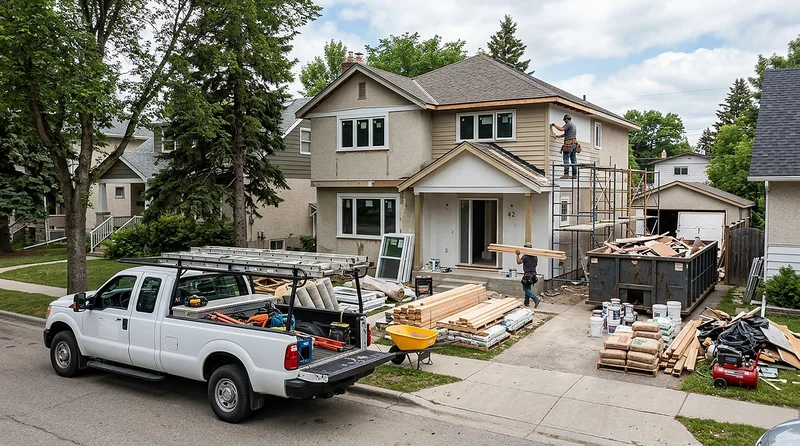
Lender Requirements for Out-of-State Investors
Lenders may apply additional scrutiny or requirements for out-of-state:
- Local team: Proof of a credible buyer's agent, contractor, and possibly a property coordinator or project manager. Lenders want to know someone local is managing the project.
- Third-party inspections: Pre-purchase inspection, contractor bid, and sometimes progress inspections. Reduces reliance on your ability to be on-site.
- Strong ARV support: Comparable sales and possibly a third-party appraisal or BPO. Out-of-state investors may be less familiar with local markets; lenders want objective support.
- Reserves: Some lenders require higher reserves (6-9 months carrying costs) for out-of-state. Ensures you can cover delays or overruns without being local.
- Experience: First-time out-of-state investors may face more scrutiny. A track record of successful flips (even in-state) helps.
See credit requirements—typically same as in-state (660-700+). Down payment and leverage are usually similar. See maximum LTV.
| Requirement | In-State | Out-of-State |
|---|---|---|
| Local team | Preferred | Typically required |
| Third-party inspection | Common | Often required |
| Reserves | 4-6 months typical | May require 6-9 months |
| Rates / leverage | Standard | Often same; some lenders add premium |
Due Diligence for Remote Investing
You cannot drive by the property daily. Your due diligence must compensate:
- Local buyer's agent: Finds deals, walks properties, provides market insight. Critical for out-of-state. Choose an agent experienced with investors.
- Property inspector: Full inspection before purchase. Uncovers hidden issues you cannot see remotely. Non-negotiable.
- Contractor walk-through and bid: Contractor visits, provides detailed rehab scope and cost. Use for lender and for execution.
- Comparables research: MLS, Zillow, Redfin, or agent-provided comps. Validate ARV with recent sales in the neighborhood.
- Neighborhood and market research: Crime, schools, employment, inventory levels. Understand the submarket.
- Visit in person (if possible): A pre-closing trip can catch issues and build confidence. Not always feasible; a strong team can substitute.
Document everything. Lenders want to see you have done your homework. See ARV calculation for supporting your numbers.
Building Your Remote Execution Team
A reliable local team is essential:
- Buyer's agent: Sources deals, negotiates, coordinates showings and inspections. Should understand investor criteria and flip economics.
- General contractor: Performs rehab. Get references, verify license and insurance. Clear scope of work and payment schedule.
- Property coordinator / project manager: Your eyes and ears on-site. Visits property, coordinates contractors, inspects progress, reports to you. Especially valuable when you cannot visit. May charge 1-3% of rehab or a flat fee.
- Listing agent: Markets and sells the property post-rehab. May be same as buyer's agent or different.
Build the team before you need it. Network through local REI groups, BiggerPockets, or referrals. Vet contractors with references and previous flip experience. See closing timelines—having a team in place speeds execution.
Red Flags Lenders Watch For (Out-of-State)
- No local team: Applying without a contractor or agent raises execution risk. Line up your team before applying.
- Weak ARV support: "I think it's worth X" without comps or BPO is insufficient. Provide objective support.
- Vague rehab scope: Line-item budget from a licensed contractor. No guesswork.
- First-time investor, first out-of-state deal: High risk. Consider partnering with an experienced local investor or doing your first flip in-state.
- Thin reserves: Out-of-state projects can have more surprises. Extra reserves demonstrate capacity to handle them.
Documentation for Out-of-State Fix and Flip
Standard fix and flip docs plus:
- Contractor agreement or letter of intent with scope and bid
- Buyer's agent information and confirmation of engagement
- Property coordinator agreement (if using one)
- Third-party inspection report
- Comparables supporting ARV (agent or appraiser provided)
Some lenders may request a narrative explaining your out-of-state strategy and team. Be prepared to articulate how you will execute. See full lender checklist.
Rates and Terms: Out-of-State vs In-State
Many lenders offer the same rates and terms regardless of borrower location. The deal and your profile drive pricing. Some lenders may:
- Add a small premium (0.25-0.5 points) for out-of-state
- Require more reserves
- Limit out-of-state to experienced investors
Shop multiple lenders. Experience and a strong team can offset any premium. See typical rates. Compare fix and flip vs hard money—structured programs may be more consistent for out-of-state than some hard money lenders.
Key Takeaways
- Out-of-state fix and flip financing is available; many lenders fund nationwide.
- Lenders want a credible local team (agent, contractor, coordinator), third-party due diligence, and solid ARV support.
- Due diligence from afar requires: local agent, inspector, contractor bid, comps research, and possibly a property coordinator.
- Reserves may be higher (6-9 months) for out-of-state; rates and leverage are often similar to in-state.
Next Steps
Build your local team, conduct thorough due diligence, and present a complete package. Target lenders who routinely fund out-of-state investors. Get matched with fix and flip lenders for your out-of-state flip.
Frequently Asked Questions
Can out-of-state investors get fix and flip loans?
Yes. Many fix and flip lenders fund out-of-state investors. You typically need a strong local team (agent, contractor, property manager or coordinator), solid due diligence, and a deal that pencils. Some lenders prefer or require in-state borrowers; others routinely fund nationwide.
What do lenders require for out-of-state fix and flip?
Lenders want confidence you can execute remotely. That means: a credible local team, third-party inspections, solid ARV support, and sometimes a higher reserve requirement. Experience helps; first-time out-of-state investors may face more scrutiny.
How do I do due diligence on an out-of-state flip?
Use a local buyer's agent, property inspector, and contractor for walk-throughs and bids. Order a third-party appraisal or BPO. Research comparables and neighborhood remotely. Visit in person if possible before closing. A property coordinator or project manager can oversee rehab from afar.
Do out-of-state investors pay higher rates?
Rates are often similar to in-state. Some lenders may add a slight premium for out-of-state or require more reserves. Compare multiple lenders. Experience and a strong local team can offset any premium. See typical fix and flip loan rates.
What is a property coordinator for out-of-state flipping?
A property coordinator (or project manager) acts as your local eyes and ears. They visit the property, coordinate contractors, inspect progress, and report to you. Essential for out-of-state flippers who cannot be on-site regularly.