
Updated April 8, 2026
Quick answer
What fix-and-flip lenders look for: ARV support, scope of work, contractor quality, exit strategy, title, and borrower liquidity through the rehab. Lenders prioritize the property and transaction. Key focus areas: purchase price relative to market value, After Repair Value (ARV) support, renovation scope and feasibility, neighborhood strength, and local resale demand.
1. The Deal (Most Important)
Lenders prioritize the property and transaction. Key focus areas: purchase price relative to market value, After Repair Value (ARV) support, renovation scope and feasibility, neighborhood strength, and local resale demand.
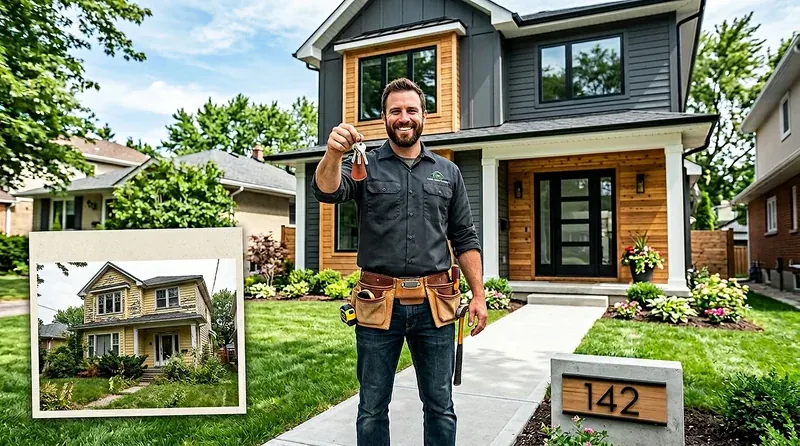
Purchase Discount
Lenders look for properties acquired below market value. A meaningful discount reduces risk and supports profitability.
ARV Support
Most lenders expect 70-75% of ARV. Aggressive or poorly supported ARV projections may reduce leverage or trigger declines. See maximum LTV for a fix and flip loan for typical caps and how they apply.
Rehab Scope & Budget
Lenders review detailed scope of work, contractor track record, timeline feasibility, and structural vs. cosmetic work. Unrealistic budgets are common red flags. Provide contractor estimates, a clear scope, and realistic timelines.
2. The Borrower
Credit Profile
Most structured programs require a 620+ credit score. Stronger credit can result in higher leverage, lower rates, and fewer documentation requests. If you're unsure where you stand, review credit score requirements for a fix and flip loan.
Liquidity & Reserves
Lenders look for down payment funds, closing costs, and rehab/contingency reserves. Sufficient liquidity signals that the investor can complete the project and handle surprises. See how much down payment is typically required.
Experience
Lenders prefer prior renovation experience–for example, 2+ flips in the past 2 years. Newer investors may still qualify but often need stronger credit, more liquidity, and clearer rehab plans.
3. The Exit Strategy
Lenders underwrite fix and flip loans with an exit in mind. The primary exit is sale after renovation; some borrowers plan to refinance into a long-term rental loan. A clear, credible exit strategy supports approval. For context on pricing and terms, review fix and flip loan rates and structured fix and flip loan programs.
How Leverage Impacts Underwriting
Aggressive leverage increases risk. Lenders may require stronger ARV support, higher credit, more experience, or conservative liquidity when leverage is high. See fix and flip loan rates for how leverage affects pricing.
Common Reasons Deals Get Declined
- Inflated ARV or weak comp support
- Thin purchase discount
- Unrealistic rehab budgets
- Poor liquidity or reserves
- Credit below program minimum
- Weak market demand
- Over-leveraged borrower
How to Improve Your Approval Odds
- Provide strong comps for ARV
- Submit detailed, realistic rehab budgets
- Maintain adequate liquidity
- Keep leverage within standard ARV caps
- Demonstrate prior project success where possible
- Respond quickly to underwriting requests
Final Thoughts
Lenders evaluate deal strength, ARV support, minimum credit and liquidity, experience, and exit strategy. Preparing a complete, realistic submission improves approval odds and can speed up the process. If you're actively seeking financing, review fix and flip loan options and how fast you can close to align expectations with your timeline.
A worked example: how a lender sizes a flip
Put numbers to it. A flipper buys at $200,000, budgets $50,000 in rehab, and projects a $320,000 after-repair value. A typical lender funds up to about 70% of ARV ($224,000) and a large share of purchase plus rehab, so the deal pencils with the borrower bringing the gap plus reserves. The lender then stress-tests the comps behind that $320,000, the realism of the $50,000 budget, and whether the $200,000 purchase is a genuine discount to market. If the ARV is inflated or the discount is thin, the loan shrinks or the deal is declined — which is why the quality of the deal matters more than the borrower.
Sources & Further Reading
- Federal Reserve Small Business Credit Survey — Survey data on how small firms apply for and receive credit: approval rates, funding speed and reasons for denial.
Rate, fee, and policy figures cited above reflect current published guidance as of the article publication date. Always confirm current figures with the cited source or your lender before acting on financing decisions.
Frequently Asked Questions
What credit score do I need for a fix and flip loan?
Most structured programs want 620+, with stronger credit earning higher leverage and better pricing. Because these loans lean on the deal, credit matters less than on a conventional loan but still shapes your terms.
What is the most important thing lenders look at on a flip?
The deal itself — the purchase discount, the rehab budget, and the supported after-repair value. A great property can carry a borderline borrower; a weak deal sinks even a strong one.
Why do fix and flip loans get declined?
Usually an inflated ARV with weak comps, a thin purchase discount, an unrealistic rehab budget, or poor borrower liquidity and reserves. Tightening any of these improves your odds.
How much cash do I need for a fix and flip?
Beyond the down payment, lenders want reserves to cover carrying costs and rehab overruns. Running out of cash mid-project is a top reason flips fail, so underwriters check liquidity closely.
What do lenders look for in a fix-and-flip loan?
They prioritize the property and transaction: purchase price relative to market value, ARV support, renovation scope and feasibility, neighborhood strength, and local resale demand, plus the borrower's exit strategy and liquidity.
What is the most important factor in a fix-and-flip loan?
The deal. Purchase price versus market value and ARV support matter most, followed by the borrower and the exit strategy.
How can you improve fix-and-flip approval odds?
Bring solid ARV comps, a realistic scope and budget, a clear exit, a quality contractor, and adequate liquidity reserves.