Fronting Material Costs on a Fence Job
Posts, panels, wire, and concrete are bought before the deposit covers them. How fence companies front material costs without draining cash.
Read moreEquipment loans, SBA financing, and working capital for fence companies — skid steers and augers, material costs, and net-30/60 commercial jobs. Fast approvals nationwide.
Fencing is a materials-and-labor business with a brutal up-front cost curve. Before a crew sets a single post, you’ve bought the posts, panels or pickets, rails, wire or mesh, gates and hardware, and the concrete to set it all — often thousands of dollars in materials per job, purchased before a deposit fully covers them. Add a crew paid weekly and the trucks and equipment to move dirt and drive posts, and a fence company can have real money committed to a job long before the customer’s check clears.
The work also splits into two very different customer types. Residential jobs — homeowners adding privacy, pool, or pet fencing — usually pay a deposit and a balance on completion. But commercial, municipal, and general-contractor work — school yards, industrial sites, solar farms, DOT and right-of-way fencing, and subcontracts under a GC — pays on net-30 to net-60 terms while your materials and payroll are due now. On top of that, fencing is weather- and season-sensitive: frozen or saturated ground stalls post-setting, and demand swings with the building and landscaping seasons.
That’s where industry-aware financing matters. Equipment loans, SBA programs, working capital, and lines of credit each solve a different piece of the puzzle. Axiant Partners connects residential and commercial fencing contractors with lenders who understand the materials cycle and the slow-paying commercial accounts. One application gets you matched with programs that fit your business profile. This page focuses on the fencing trade specifically; for the broader trade picture, see our construction business financing hub. See all industries we serve, or apply now.
Most fence companies use a mix of products as the business grows. Here are the core options and how fencing contractors typically use each.
Equipment financing covers skid steers, augers and hydraulic post drivers, trenchers, trailers, work and flatbed trucks, and welders for ornamental and chain-link work — new or used. The equipment collateralizes the loan, terms typically run 36-72 months, and decisions often come back in 24-48 hours. The right gear lets a crew set far more posts per day, so the equipment pays for itself in labor saved. See equipment financing options.
Working capital is the fencing contractor’s most-used tool, because the trade front-loads material costs. Use it to buy posts, panels, wire, and concrete for a job — or a run of jobs — before deposits and final payments arrive, and to cover payroll through weather delays. Terms are short (typically 3-24 months) and decisions are fast. Explore fencing working capital.
A revolving line of credit is built for the swings — buying materials in bulk for better pricing, covering payroll while a commercial job pays net-60, or absorbing a weather-stalled week. Draw what you need, repay as jobs settle, and only pay interest on the balance. Many fence companies run a line as their default operating tool alongside equipment financing. Explore fencing line of credit.
SBA 7(a) loans suit fence company acquisition, expansion, and larger equipment purchases bundled with working capital. SBA 504 is the right product if you’re buying owner-occupied yard, shop, or storage space. Approval typically takes 30-60+ days, but the longer terms (10-25 years) and lower down payments justify the wait when the use case fits. View SBA loans for fencing contractors.
For contractors with heavy commercial, municipal, or GC work, invoice factoring advances most of a net-30/60 invoice within a day or two of billing, then remits the rest minus a fee when the account pays. It scales with your commercial billing and leans on your customers’ credit — a strong fit for fence companies doing schools, solar, and subcontract work. Explore invoice factoring.

Fence companies finance a mix of ground-working machines, post-setting tools, and material-hauling vehicles. Below are the most-financed categories. Smaller items — hydraulic post drivers, two-man augers, trenchers, plate compactors, welders and generators, and air/fastening tools — are commonly bundled into a single equipment loan alongside a machine or trailer.

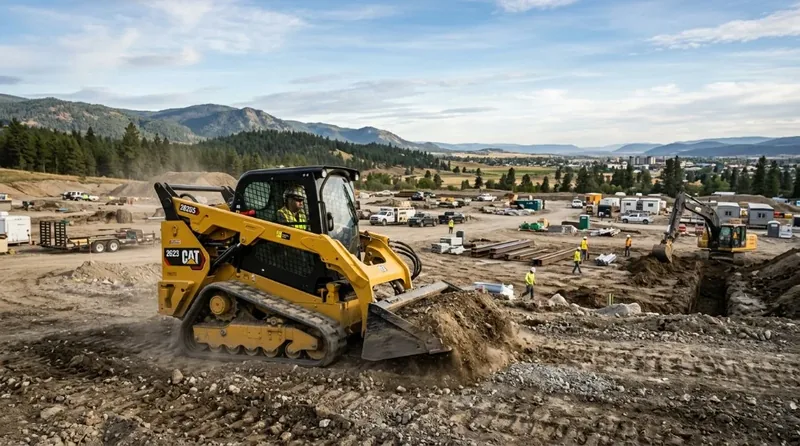
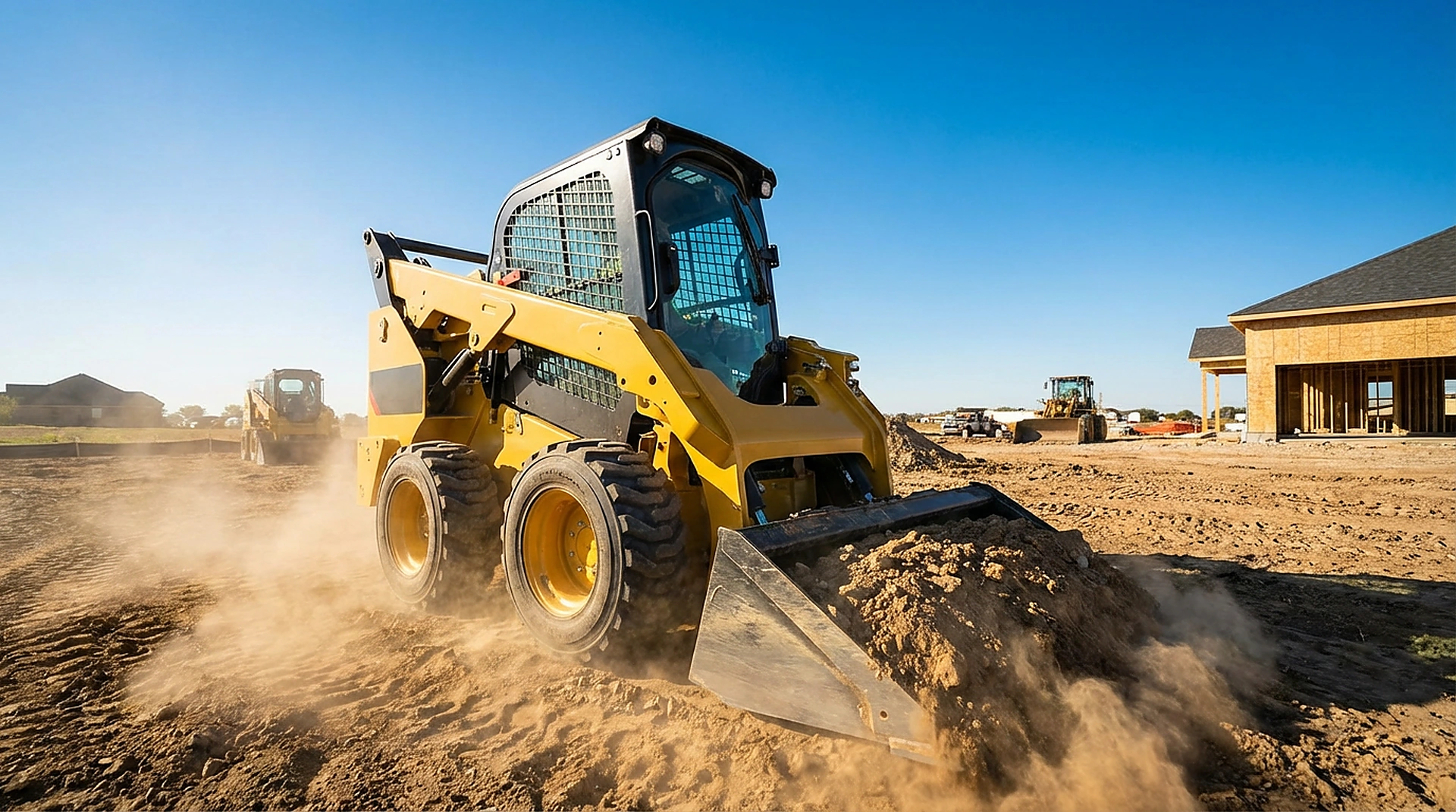
A skid steer with an auger or post-driver attachment is the single biggest productivity jump in fencing — it turns a day of hand-digging into hours. New units typically run $40,000-$80,000+; quality used machines $20,000-$45,000. Financing spreads the cost over the machine’s working life so the labor it saves more than covers the payment.
How to finance skid steers
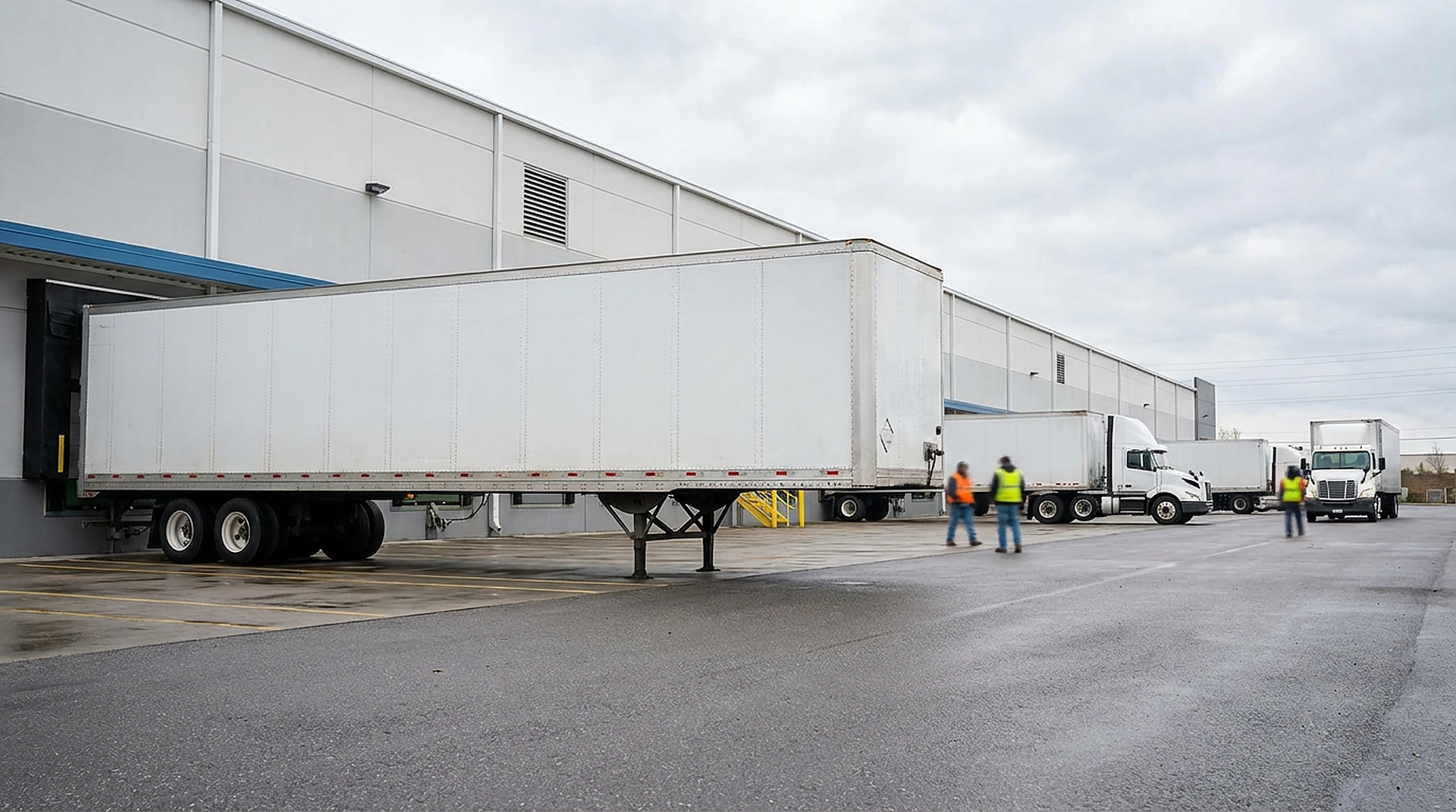
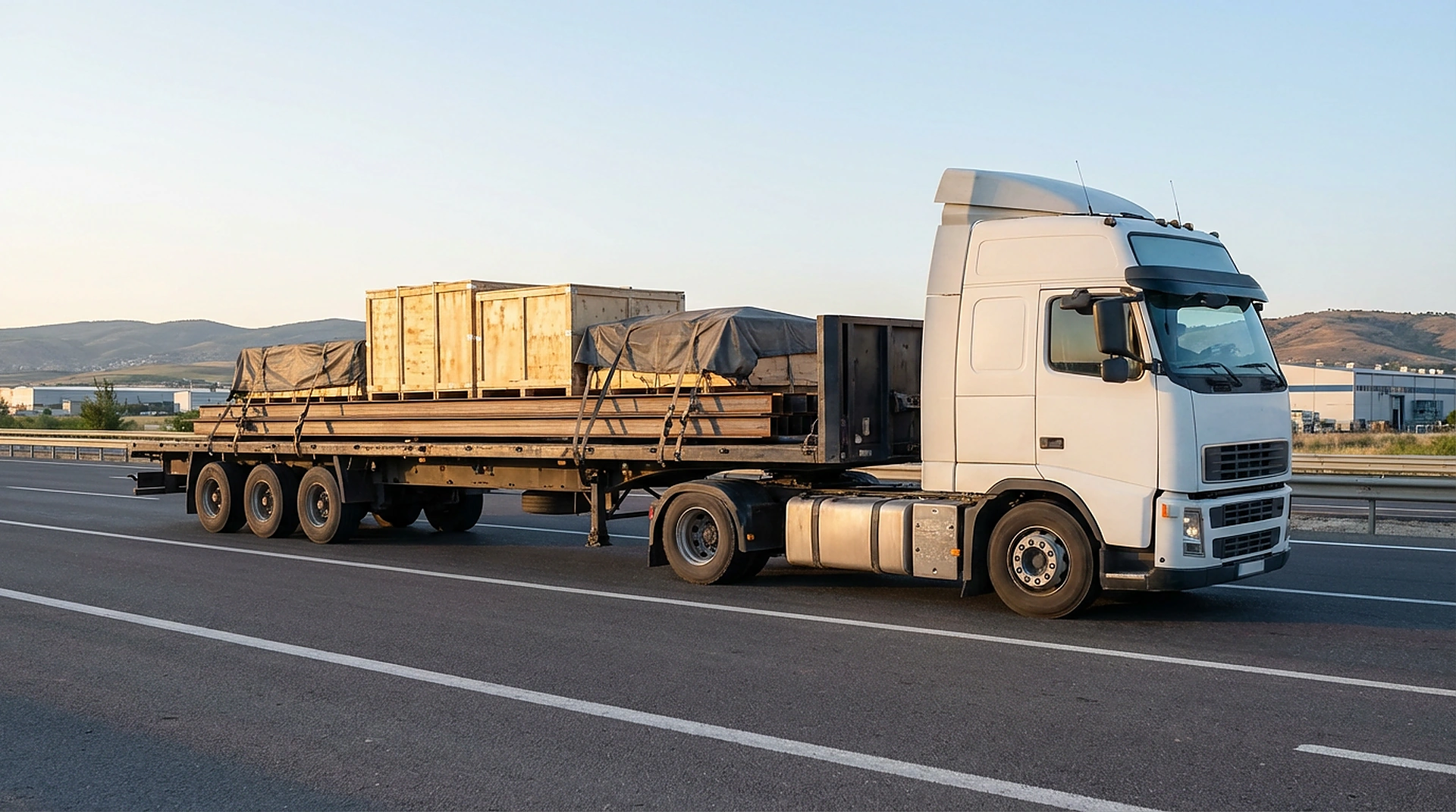
Equipment trailers haul the skid steer and attachments to the job; flatbed and utility trailers carry posts, panels, and concrete. Typical cost $5,000-$30,000 depending on size and rating. Often the first asset a growing fence company finances to stop renting and start running its own rig.
How to finance trailers
Pickups and flatbed trucks move crews, materials, and trailers between job sites and the supply yard. New work trucks typically run $45,000-$80,000+; quality used $20,000-$40,000. Vehicle financing works like equipment — truck as collateral, terms 36-72 months, fast decisions — and is the right way to add a second crew or a new territory.
How to finance work trucksThe guides below cover the cash-flow and equipment questions fence companies ask most. For a full overview of equipment financing across all industries, see Equipment Financing. For all guide articles, see Equipment Financing Articles.
Posts, panels, wire, and concrete are bought before the deposit covers them. How fence companies front material costs without draining cash.
Read moreA skid steer and auger turn hand-digging into hours and open up commercial work. How to finance the gear so the jobs cover it.
Read moreSchool, municipal, solar, and GC fence work pays net-30/60 while materials and crews are due now. How to bridge it with factoring and a line.
Read moreWhat credit profile fencing contractors need to qualify for skid steer, trailer, and truck financing — and what to do if your score is below the typical threshold.
Read moreUsed skid steers, augers, and trailers can be financed — but with different terms than new. What lenders look at and how to structure the deal.
Read moreWhy most equipment loans get approved in 24-48 hours and what document delays slow that down — critical when the busy fencing season is here.
Read moreHow weather- and season-sensitive trades like fencing size and time working capital to carry slow stretches and fund the busy season.
Read moreThe broader contractor cash-flow picture — material costs, payroll, and progress payments — that fence companies share with the wider trades.
Read moreWhen a fence company should use straight equipment financing, when SBA 7(a) is the better tool, and how to combine both for equipment plus working capital.
Read moreFence companies need financing built for the way the trade actually runs — equipment that pays for itself in labor saved, working capital to front materials before the deposit lands, and factoring or a line of credit to bridge net-60 commercial jobs. Axiant Partners connects residential and commercial fencing contractors with lenders that offer the full mix. Submit your information once and we match you with programs suited to your business profile.
We also provide financing for construction, landscaping, and logistics & warehousing. View all industries.