Contractor Financing: Equipment, SBA Loans & Working Capital

Contractor financing for roofing, electrical, HVAC, concrete, and general contractors. Compare equipment financing, working capital, lines of credit, and SBA options built around project cash flow and growth timelines.

  • Equipment financing decisions in 24-48 hours
  • Working capital for materials, mobilization, and payroll
  • Equipment financing, credit lines, and SBA options
  • Typical amounts from $25K to $5M+

Contractor Financing at a Glance

Built for contractors managing job-cost timing, equipment purchases, and growth across multiple projects. Updated March 31, 2026.

$25K–$5M+ Typical range
24–48 hr Equipment approval
30–60 days SBA loans
0–20% Down (equipment)
550+ Credit (equipment)
50 states Nationwide

Quick Answers for Contractors

What is contractor financing?

It is a broad category that includes equipment financing, working capital, business lines of credit, and SBA loans used to support contractor cash flow, equipment, and growth.

How fast can funding happen?

Equipment financing often moves fastest, with many decisions in 24 to 48 hours. Working capital and lines of credit can fund in days to weeks. SBA usually takes longer.

What can funds be used for?

Common uses include materials, payroll, subcontractors, mobilization, receivables gaps, equipment purchases, truck replacements, and expansion into larger jobs.

Which option fits best?

Use working capital for short-term operating needs, equipment financing for machinery and trucks, a line of credit for recurring gaps, and SBA for longer-term projects or real estate.

Why Contractors Need Financing That Fits Their Cash Flow

Contractors operate on project schedules, draw schedules, and payment timing that often do not line up cleanly with payroll, material orders, subcontractor bills, and equipment needs. Roofing companies may need money for shingle and underlayment orders before the first draw. Electrical contractors may need working capital for labor and materials while receivables are still outstanding. General contractors often need cash during mobilization, change orders, or retainage gaps.

That is why contractor financing works best when it matches the actual job-cost cycle. Equipment financing is built for trucks and machinery. Working capital helps cover operating gaps. Lines of credit help when timing needs repeat from project to project. SBA financing can support owner-occupied real estate, acquisitions, and larger strategic investments when the timeline allows for a longer process. Apply now to compare options that fit your project timing and business profile.

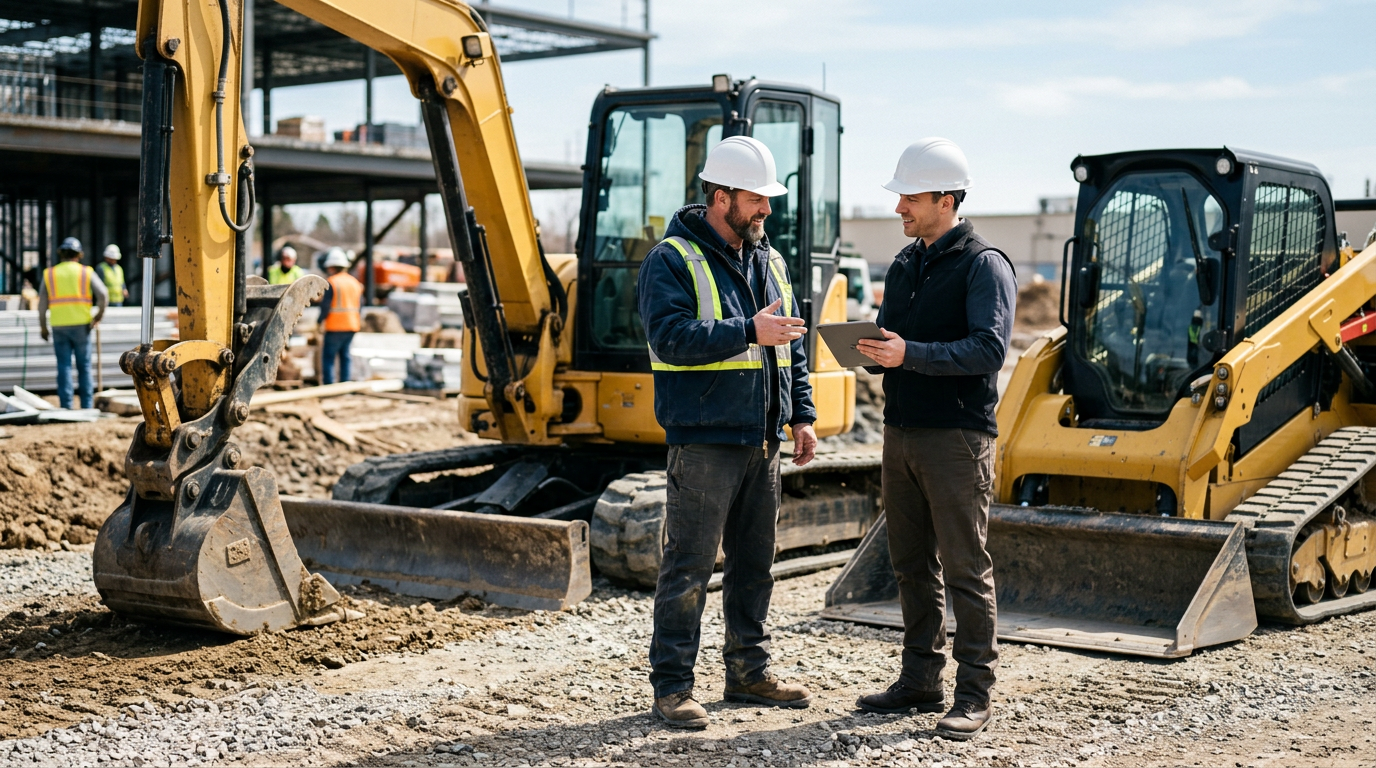
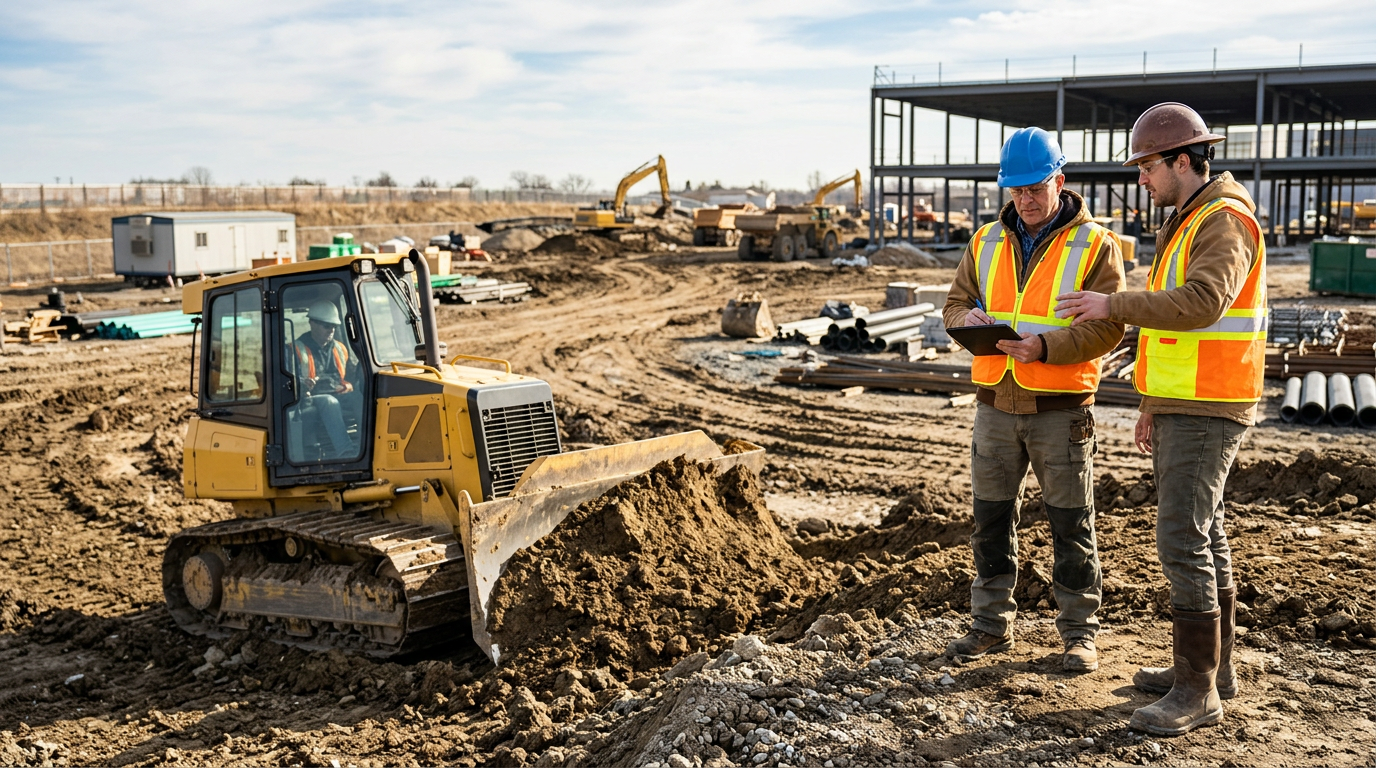
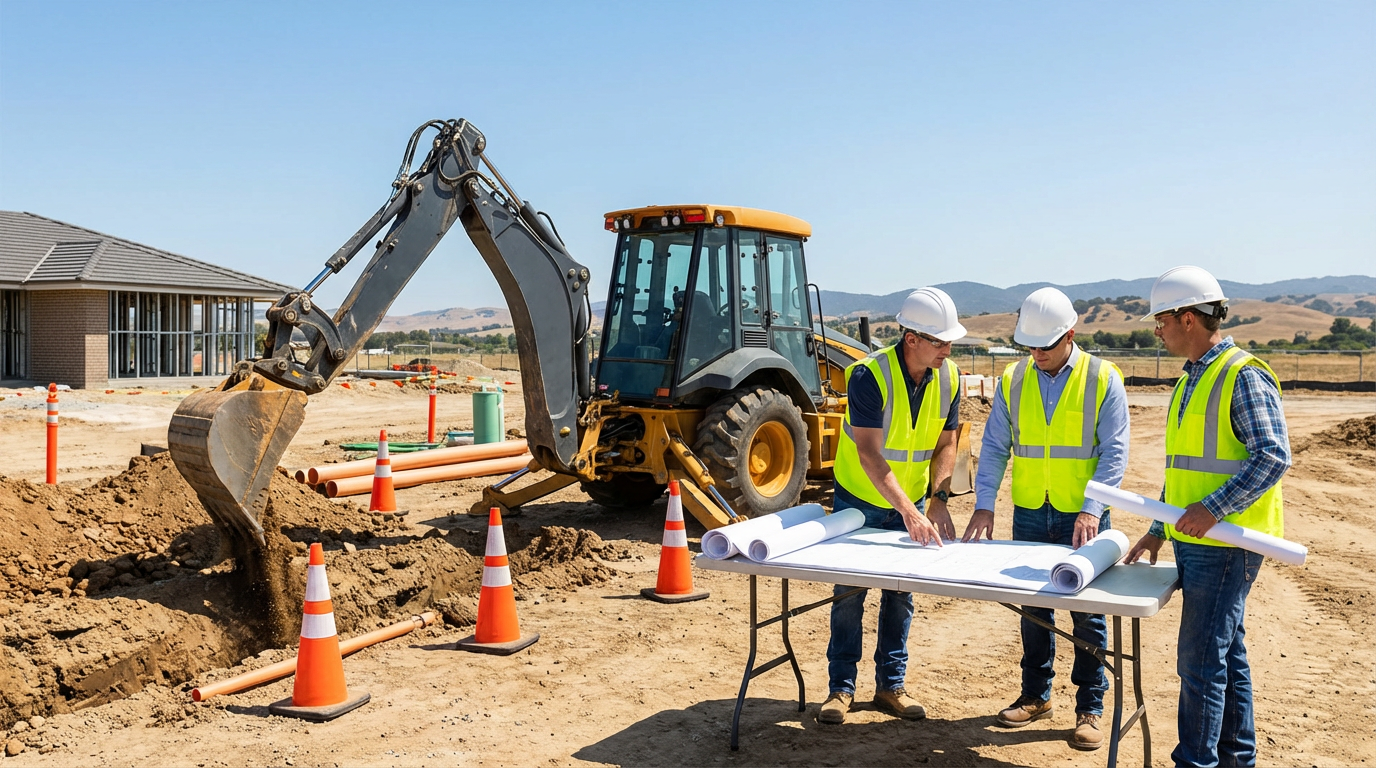
Contractors reviewing a project on-site

Common Uses for Contractor Financing and Working Capital

Contractors use financing for much more than equipment. The biggest need is usually timing: paying for labor, materials, trucks, or mobilization before the cash from a project is collected.

Contractor equipment financing

Equipment Purchases and Replacements

Excavators, loaders, dump trucks, skid steers, bulldozers, backhoes, trailers, and service vehicles are often financed so contractors can preserve cash for payroll and materials. Terms often run 36 to 84 months. Browse equipment by type.

Working capital for contractor projects and payroll

Payroll, Materials, and Mobilization

Working capital is often used to cover labor, supplier deposits, permits, and subcontractor costs before the first draw or while retainage is still outstanding. Explore contractor working capital.

SBA loans for contractors

Long-Term Growth Projects

SBA 7(a) and 504 loans are often used for acquisitions, owner-occupied shops or yards, major equipment purchases, and other growth projects where a longer approval timeline is acceptable. View SBA loans for contractors.

Contractor line of credit for materials and payroll

Recurring Draw and Receivables Gaps

A line of credit can be a strong fit when the same timing gap shows up across multiple jobs. Contractors draw when cash is tight, then repay as receivables clear or progress payments arrive. Explore contractor lines of credit.

Commercial real estate for contractors

Shops, Yards, and Owner-Occupied Real Estate

Contractors also finance offices, storage buildings, fenced yards, and operating facilities. SBA 504 and conventional commercial real estate loans can make sense when you want long-term control of the property. Explore contractor real estate.

Business acquisition for contractors

Acquisition and Expansion

Some contractors use financing to buy a competitor, add a complementary trade, open another branch, or take on a larger service area. These deals are often structured with SBA financing and strong documentation. Explore acquisition financing.

Typical Contractor Financing Amounts by Use

Financing amounts vary by revenue, time in business, project size, and the asset or use of funds. These are general ranges contractors commonly compare:

  • Equipment financing·$25,000 to $1,500,000+ for excavators, loaders, dump trucks, skid steers, and trailers. Single-asset or fleet. New or used.
  • Working capital·$50,000 to $500,000+ for payroll, materials, and subcontractor costs. Terms often align with project draws.
  • SBA 7(a)·$50,000 to $5,000,000 for working capital, equipment, acquisition, or real estate. Most flexible SBA program.
  • SBA 504·$500,000 to $5,000,000+ for owner-occupied commercial real estate and long-term equipment. 10% down, long-term fixed rates.
  • Lines of credit·$25,000 to $500,000+ depending on revenue, credit, and lender. Revolving, draw as needed.

Your actual amount depends on credit, cash flow, equipment value, backlog, and the strength of the project story. Use our financing calculator to estimate payments, or apply now to compare real options.

Contractor financing amounts by use

Contractor Financing by Trade

Different trades use financing in different ways, but the common thread is timing. These are some of the trade-specific patterns lenders see most often.

Roofing contractor financing

Roofers often need capital for material orders, crews, dumpster costs, and short project cycles where expenses hit before customer payments are fully collected.

Electrical contractor financing

Electrical contractors commonly finance payroll, copper and materials, vans, lifts, and receivables gaps on commercial jobs with staged billing.

HVAC contractor financing

HVAC companies use financing for install equipment, seasonal demand spikes, service vans, and the working capital needed to bridge residential and commercial jobs.

Concrete, sitework, and general contractor financing

Concrete crews, earthwork contractors, and general contractors often use financing for mobilization, aggregate and form purchases, heavy equipment, and larger multi-draw projects.

Why Contractors Use Financing Instead of Cash

Contractor-specific financing can solve the two biggest issues in the business: timing and concentration of cost.

Fast funding for contractors

Speed to Funding

Equipment financing often receives decisions in 24 to 48 hours. That speed matters when a machine breaks down, a new contract starts, or a supplier deposit is due immediately.

Preserve cash flow with contractor financing

Preserve Working Capital

Spreading costs over time helps contractors keep cash available for payroll, fuel, insurance, permits, and supplier invoices instead of tying it up in one large purchase.

Industry-specific contractor lending

Underwriting That Fits Contractor Operations

Specialized lenders often look at backlog, project pipeline, equipment value, business history, and payment timing instead of applying the same framework used for every industry.

Flexible contractor financing options

Multiple Products for Different Stages

A growing contractor may use equipment financing for one purchase, a line of credit for recurring gaps, and SBA financing later for a building or acquisition. Different needs call for different structures.

Compare Contractor Financing Options

This comparison table is the fastest way to understand which structure usually fits a contractor's need.

Financing Option Best For Typical Speed Learn More
Contractor Equipment Financing Excavators, skid steers, loaders, dump trucks, trailers, and other titled or non-titled equipment where the asset itself supports the loan structure. Often 24-48 hours for initial decisions Browse equipment by type
SBA Loans for Contractors Owner-occupied real estate, acquisitions, larger growth projects, long-lived equipment, and uses of funds that benefit from longer terms. Usually 30-60+ days View SBA loan options
Contractor Working Capital Payroll, materials, mobilization, change-order gaps, retainage gaps, and one-time operating needs tied to active projects. Often days to a few weeks Explore working capital
Contractor Line of Credit Recurring cash flow swings, revolving material purchases, slow receivables, and repeated timing gaps across multiple jobs. Days to a few weeks Explore lines of credit
Commercial Real Estate for Contractors Shops, fenced yards, service buildings, warehouses, and other owner-occupied properties used to run the business. Several weeks to months Explore real estate loans

How the Contractor Financing Process Works

Most contractor financing requests move faster when the use of funds is clear at the start. This is the typical flow from inquiry to funding.

01

Tell Us What the Money Is For

Start with the actual need: equipment, payroll, materials, a receivables gap, a line of credit, or a longer-term SBA project. A clear use of funds leads to better matching.

02

Compare the Right Structures

We help determine whether equipment financing, working capital, a line of credit, SBA financing, or a combination is the best fit for your timeline and business profile.

03

Documentation & Underwriting

Equipment financing often needs a short application, bank statements, and an equipment quote. Working capital and lines of credit may require revenue and cash flow support. SBA usually needs the deepest documentation set.

04

Funding & Closing

Once approved, the lender closes the transaction based on product type. Equipment financing may pay the vendor directly, while working capital or a line of credit is typically advanced to the business for approved operating use.

Equipment financing often moves fastest. Working capital and lines of credit can fund in days to weeks. SBA usually takes the longest. Apply now to get started.

Common Contractor Equipment That Businesses Finance

Contractors frequently finance heavy equipment and vehicles. Below are common types, typical cost ranges, and why businesses finance them. Lenders who specialize in contractor equipment understand depreciation, resale value, and seasonal usage·often resulting in better terms and faster decisions.

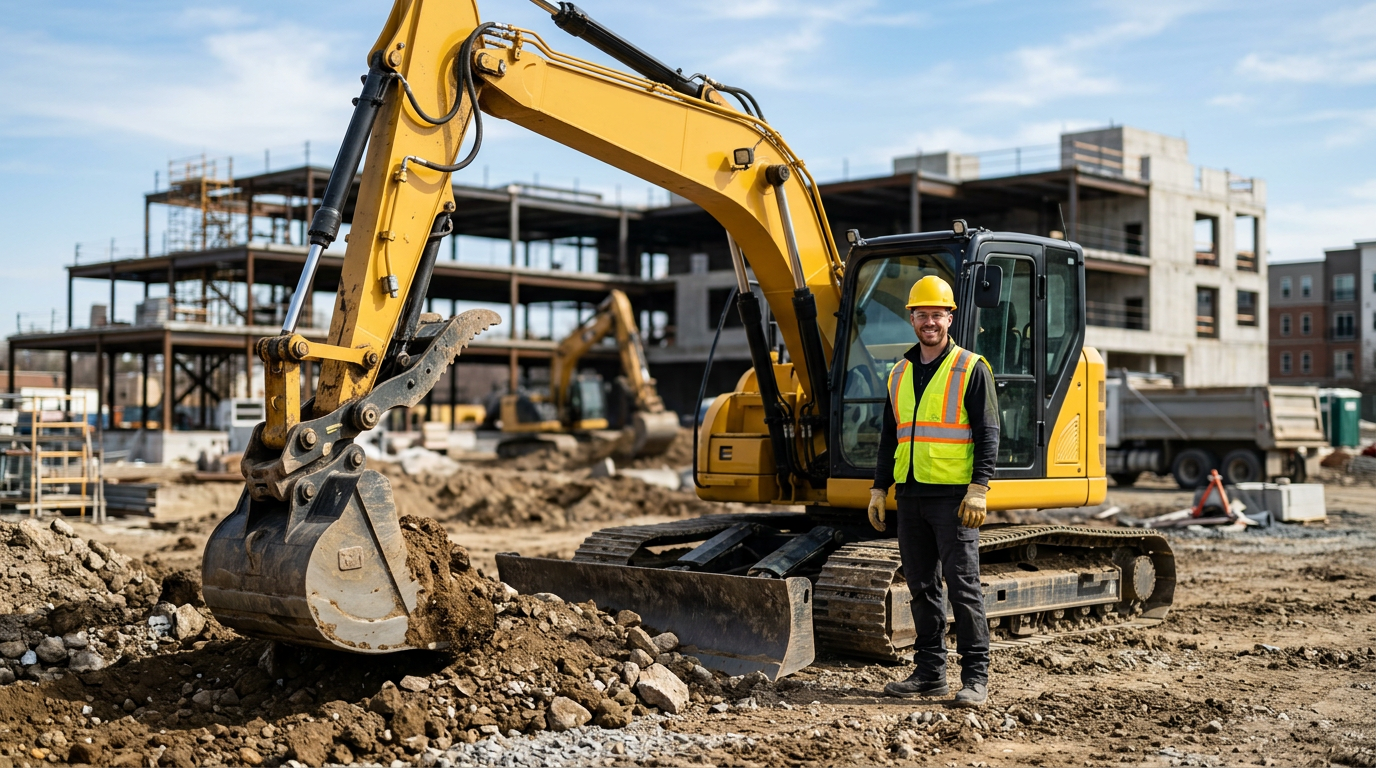
Contractor excavator used for trenching and site work

Excavators

Excavators are used for digging, trenching, demolition, and site preparation. Depending on size and brand, they can cost roughly $80,000–$500,000. Many contractors finance excavators to preserve working capital and match payments to project revenue. Mini excavators ($25K–$80K) and full-size units ($150K–$500K+) are commonly financed through equipment loans or SBA programs.

How to finance an excavator
Dump truck used for hauling materials and debris on contractor sites

Dump Trucks

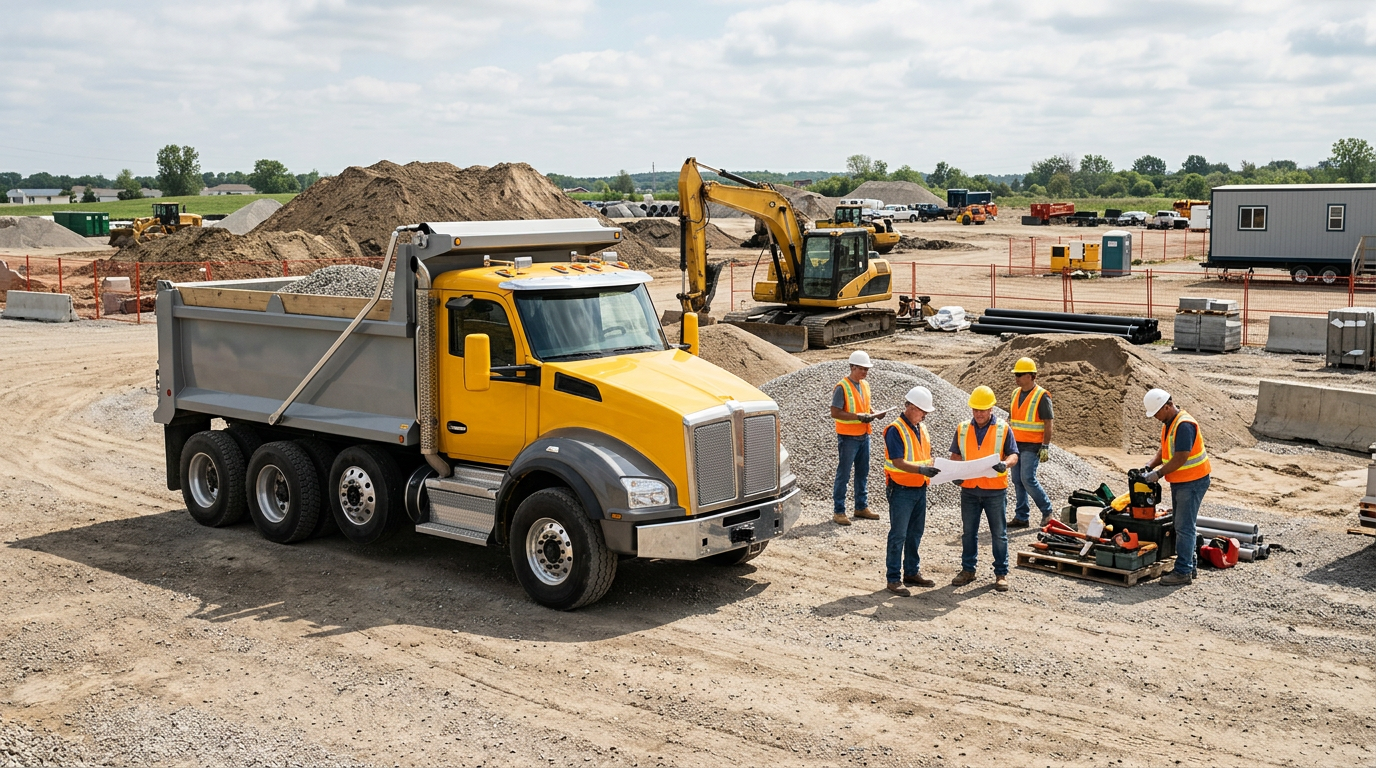
Dump trucks haul materials, aggregates, and debris. New models range from about $80,000 to $200,000 or more. Financing helps contractors add or replace trucks without large upfront outlays. Used dump trucks are often financed with shorter terms. Essential for earthwork, paving, and site development contractors.

How to finance a dump truck
Skid steer loader for grading and material handling

Skid Steers

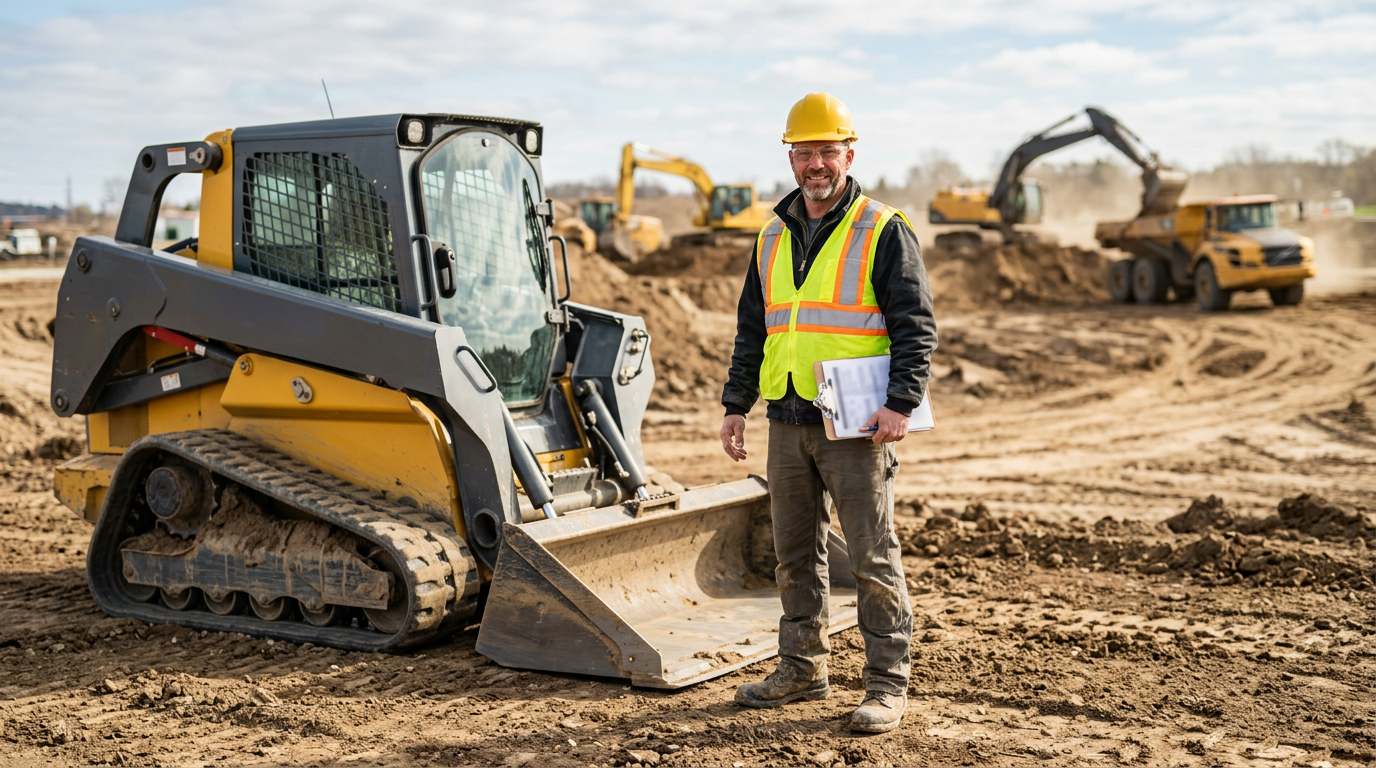
Skid steers handle grading, material handling, and site cleanup. They typically cost $25,000–$75,000. Contractors often finance skid steers to improve job capacity and efficiency. Versatile for residential, commercial, and specialty trades. Quick approval and flexible terms make skid steer financing popular for growing contractors.

How to finance a skid steer
Bulldozer used for earthmoving and grading

Bulldozers

Bulldozers perform earthmoving, grading, and site clearing. Prices range from about $100,000 to $500,000 or more. Financing spreads the cost over the equipment's productive life. Heavy civil, site development, and mining contractors rely on bulldozer financing to expand capacity without draining reserves.

How to finance a bulldozer
Wheel loader for moving materials and loading trucks

Wheel Loaders

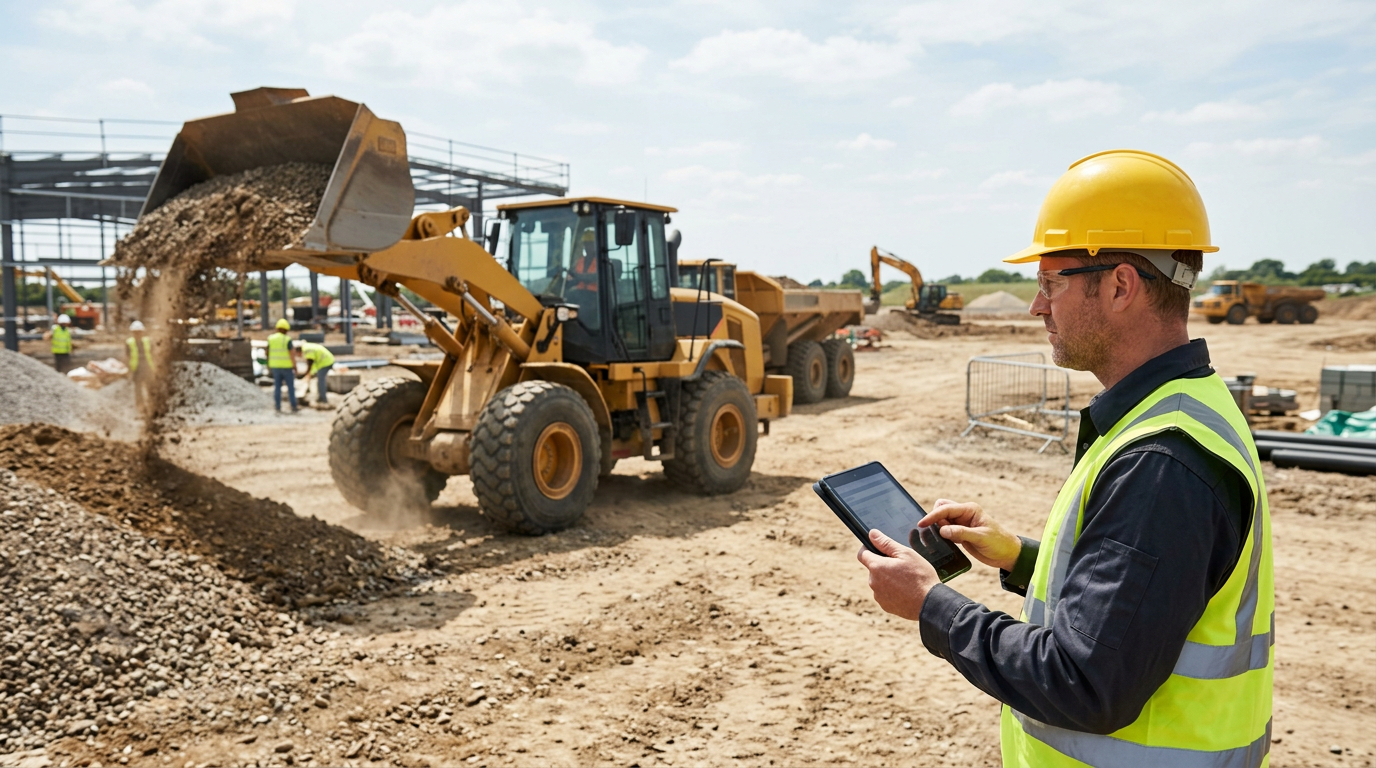
Wheel loaders move materials, load trucks, and handle bulk handling. They typically cost $80,000–$400,000. Contractors finance wheel loaders to support quarry, demolition, and site work. Often paired with dump trucks for efficient material handling. Terms to 84 months common for new units.

How to finance a wheel loader
Backhoe for digging and trenching on contractor sites

Backhoes

Backhoes combine a loader and excavator for digging, trenching, and utility work. They generally cost $50,000–$150,000. Financing helps utility and site contractors add or replace units. Popular for municipal, utility, and smaller earthwork contractors. Used backhoes often qualify for 36-60 month terms.

How to finance a backhoe

Contractor Equipment Financing: Fast Approval, Flexible Terms

When you need an excavator for a bid, a dump truck to replace a down unit, or a skid steer to take on more work, you can't wait months. Contractor equipment financing delivers decisions in 24-48 hours for many applications. Lenders who specialize in heavy equipment understand your industry·they evaluate the asset, your track record, and project pipeline. New or used, single unit or fleet, equipment financing preserves cash and matches payments to the equipment's productive life. Whether you're a general contractor, heavy civil operator, or specialty trade, we connect you with lenders who finance the equipment you need. See our full equipment financing overview or apply now to get matched.

Contractor equipment financing for heavy machinery

Working Capital for Project Draws and Payroll

Contractor revenue is lumpy·you pay for labor and materials before progress payments arrive. Working capital loans bridge that gap. Cover payroll during mobilization, materials for the next phase, subcontractor costs when the GC is slow to pay. Terms can align with your draw schedule, so you're not stuck with a 12-month loan when the project pays in 90 days. Contractors use working capital to bid on larger projects, ramp up crews for busy seasons, and smooth cash flow between jobs. If you're tired of juggling payables while waiting on the next draw, working capital financing can change the equation. Explore contractor working capital or apply to see your options.

Working capital for contractor project draws

What Lenders Look For on Contractor Financing Requests

Requirements vary by lender, but these are the core factors most underwriters review when evaluating a contractor financing request:

  • Use of funds·Lenders want to know exactly what the money is for, whether that is an excavator, payroll between draws, a truck replacement, or a real estate purchase.
  • Credit and business history·Equipment financing can be available around 550+ FICO in many programs, while SBA often prefers 650-680+ credit and stronger time in business.
  • Revenue and cash flow·Recent bank statements, receivables, margins, and current obligations help show whether the business can support the payment.
  • Project pipeline or backlog·For contractors, upcoming jobs, signed contracts, and visibility into future work can strengthen the story behind the request.
  • Collateral or asset support·Equipment value matters on equipment loans. Real estate value matters on property-backed transactions. Working capital relies more heavily on cash flow.

Common documentation includes an application, recent bank statements, a driver's license, an equipment quote if applicable, and sometimes tax returns or financial statements for larger requests. Strong documentation and a clear repayment story generally lead to better options. Apply now to compare lenders that fit your profile.

Why Choose Axiant Partners for Contractor Financing

Our role is to help contractors compare the financing structure that best fits the deal instead of forcing every request into the same product.

  • Contractor-focused matching·We work across equipment financing, working capital, credit lines, SBA, and real estate so the recommendation can match the actual need.
  • One application, multiple directions·A contractor may qualify for more than one viable structure. We help compare speed, term length, and fit.
  • Nationwide reach·We work with contractors across the U.S., including specialty trades and heavy equipment operators.
  • Guidance through documentation·We help clarify what lenders are likely to ask for so the process stays organized and efficient.

One application, multiple options, support at each stage. Apply now to get started.

Contractor Financing FAQs

What is contractor financing?

Contractor financing is a broad term for equipment financing, working capital, business lines of credit, SBA loans, and real estate financing used by contractors to manage cash flow, buy equipment, and grow. Apply to compare your options.

Why do contractors need working capital?

Because expenses often hit before collections do. Contractors may need to pay crews, suppliers, subcontractors, and mobilization costs before progress payments, retainage releases, or customer receivables arrive.

How fast can contractors get funded?

Equipment financing often receives decisions within 24-48 hours. Working capital and lines of credit can fund in days to a few weeks. SBA loans usually take longer because the documentation and underwriting process is deeper.

What credit score do contractors need?

Equipment financing programs often accept around 550+ FICO, while SBA loans typically favor 650-680+ credit. Cash flow, time in business, and the strength of the deal also matter. Apply to compare programs that fit your profile.

What is the difference between working capital and equipment financing?

Working capital is used for short-term operating needs like payroll, materials, and receivables gaps. Equipment financing is designed for trucks, machinery, and heavy equipment, with repayment structured around the asset's useful life.

Can roofing, electrical, and HVAC contractors qualify?

Yes. Roofing contractors, electrical contractors, HVAC companies, concrete crews, and general contractors commonly use financing for materials, payroll, trucks, equipment, and project timing gaps. Lender fit depends on revenue, credit, time in business, and the specific request.

Can contractors finance used equipment?

Yes. Many lenders finance both new and used excavators, dump trucks, loaders, and other heavy equipment. Used equipment may have shorter terms and depend more heavily on age, condition, and resale value. See our used equipment guide.

Contractor & Equipment Financing Guides

Explore our most popular articles on contractor and equipment financing. For equipment-specific guides by type, see Equipment by Type. For all articles, see Equipment Financing Articles.

Related Industry Financing Pages

We also provide financing for landscaping, forestry, and trucking businesses. View all industries.

Apply for Contractor Financing

Contractors need financing that fits project cycles and cash flow. Axiant Partners connects contractors with lenders that offer equipment loans, working capital, SBA loans, and more. Submit your information once and we match you with programs suited to your business profile.