
Updated April 8, 2026
Quick answer
What kills fix-and-flip profit: carrying costs, contractor overruns, bad comps, slow draws, resale friction, and financing structure that does not match the timeline. Common profit killers: holding costs (loan interest, utilities, insurance, taxes), rehab overruns, ARV that doesn't materialize (wrong comps or market shift), high loan fees or points, and long hold times.
1. Holding Costs You Didn’t Budget
Interest, property taxes, insurance, utilities, and HOA add up every month. If the project runs longer than planned, holding costs can wipe out margin. Fix: budget 2—6+ months of holding costs and add a buffer. Factor them into your max purchase and rehab so your profit formula still works if you hold longer. See how much down payment for a fix and flip loan so you know your full cost stack.
2. Rehab Overruns
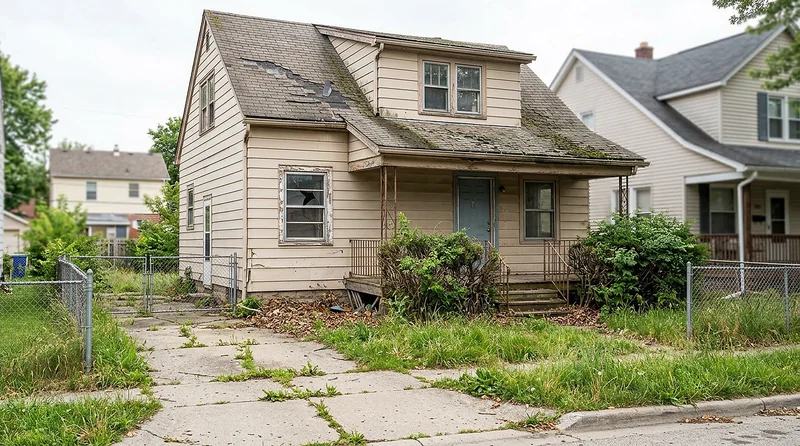
Underbudgeting rehab is one of the biggest flip mistakes. Surprises (structural, mechanical, permit issues) blow the budget. Fix: get contractor bids and add 10—20% contingency. Do a thorough walk-through and scope before you close. If you’re new, see fix and flip loans for beginners and fix and flip mistakes to avoid.
3. ARV That Doesn’t Materialize
If you overestimated after-repair value (ARV)—wrong comps, market shift, or over-improving for the neighborhood—sale price falls short and profit shrinks. Fix: use conservative comps and don’t over-improve. Understand what is ARV in fix and flip loans and maximum LTV for a fix and flip loan so your numbers work at a lower sale price.
4. Loan Fees and Points
Points, origination, and other fees come out of your bottom line. High-cost financing can erase margin on a tight deal. Fix: shop lenders and compare total cost (points, rate, term). Factor all fees into your profit calculation before you go under contract. See fix and flip loan red flags so you don’t get surprised by fees or draw rules.
5. Selling Below Plan or Holding Too Long
If you have to cut price to sell, or the market softens while you’re holding, profit drops. Fix: price realistically from the start and stage the property well. Have a backup plan (rent, seller financing) if the market shifts. Close the flip as fast as you can to minimize holding cost. For why deals fall through, see why your fix and flip loan keeps falling through.
Worked Example: Where the Margin Disappears
Consider a flip bought for $200,000 with a $150,000 after-repair value lift — an ARV of $350,000. On paper, a $60,000 rehab budget leaves room for a healthy profit. Then reality intrudes: the rehab runs to $78,000 (an 30% overrun), the project takes seven months instead of four, and the holding costs — loan interest, taxes, insurance, utilities — pile up at roughly $3,500 a month. Add ~8% in selling and closing costs on the $350,000 sale (about $28,000), and the projected windfall is suddenly a thin margin.
Notice what did the damage: not the purchase price, but the overrun, the extra three months of carry, and the transaction costs — the three line items flippers most often underestimate. A deal that looked like a 20% return on paper can land in the low single digits once those three move against you.
How to Protect the Margin
- Budget a real contingency — 10–15% on top of the contractor bid, because the surprises behind the walls are the rule, not the exception.
- Underwrite the timeline honestly — every extra month is holding cost; a faster, cleaner scope often beats a bigger one.
- Match the loan to the project — a draw schedule that releases rehab funds as work completes keeps interest from accruing on money you have not used yet.
- Know your exit before you buy — a conservative ARV based on actual comps, not the optimistic one, is what keeps the whole model honest.
Frequently Asked Questions
What kills fix and flip profit?
Common profit killers: holding costs (loan interest, utilities, insurance, taxes), rehab overruns, ARV that doesn't materialize (wrong comps or market shift), high loan fees or points, and long hold times. Fix by budgeting holding costs, padding rehab, using conservative ARV, and closing fast.
How do I protect my margin on a flip?
Budget realistic holding costs, build a contingency into the rehab, use conservative comps for the ARV, and have an exit plan with a firm timeline. Discipline on those four is what preserves profit.
Why do holding costs hurt flip profit so much?
Every extra month adds loan interest, taxes, insurance, and utilities while you earn nothing, so a project that drags past its timeline can quietly consume the margin a tight budget assumed.
Do loan fees and points really affect flip profit?
Yes. Points and fees on short-term flip financing are a real, upfront cost; on a thin-margin deal they can be the difference between a profit and a wash, so factor them into the numbers before you buy.
How do I estimate holding costs?
Include loan interest, property taxes, insurance, utilities, and any HOA or maintenance. Plan for 2—6+ months. See fix and flip loan red flags and how much down payment for a fix and flip loan.
What if my ARV was wrong?
If you overestimated ARV, sale price may be lower than planned. Options: hold and rent, reduce price to sell faster, or negotiate a short sale with the lender. Use conservative comps next time. See what is ARV in fix and flip loans.