
Reasons Fix and Flip Lenders Back Out

Why lenders withdraw after showing interest—and how to prevent it

1. Appraisal or BPO Came In Lower Than Expected

The most common reason fix and flip lenders back out: the valuation doesn’t support the loan. You estimated ARV or purchase price; the lender ordered an appraisal or BPO; it came in lower. The loan amount they were willing to lend no longer works—the LTV would exceed their cap, or the deal no longer pencils. Rather than renegotiate, some lenders withdraw.
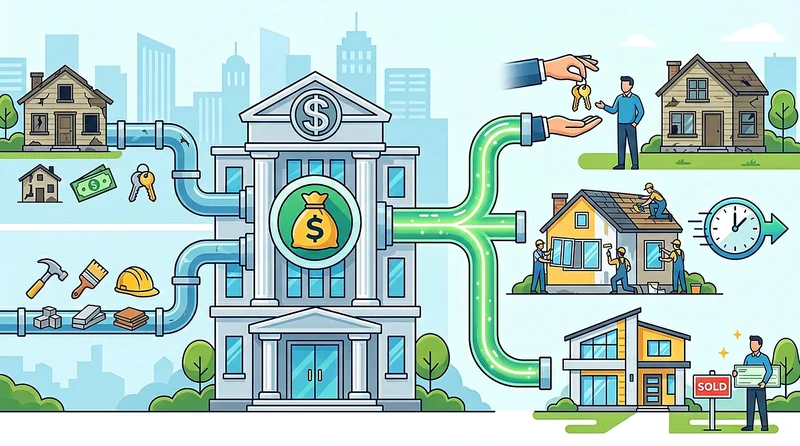
Why flip lenders rescind or fail to fund

Aggressive ARV is a leading cause. If you used optimistic comps or didn’t account for condition, the lender’s valuation can be 10—20% lower. That gap kills the loan.

Fix: Use conservative ARV from the start. Base it on solid comps—similar condition, location, recent sales. Run numbers at 5—10% below your estimate so you have buffer. If the appraisal comes in low, you need more equity or a lower purchase price—renegotiate with the seller if possible. See what is ARV in fix and flip loans and maximum LTV for a fix and flip loan. Having extra equity in the deal reduces the chance the lender backs out when value comes in soft.

2. New Information Discovered

During due diligence, the lender uncovers something that wasn’t disclosed or wasn’t known: title issues, liens, code violations, undisclosed debt, or problems with the borrower’s track record. If the new info materially changes risk, the lender may back out rather than try to resolve it.

Fix: Disclose everything upfront. Run a title search early. Address liens, judgments, or clouds before you apply. If you have prior flips with losses or delays, be transparent—some lenders will still work with you if they know. Surprises at the eleventh hour are what cause lenders to walk. See fix and flip mistakes to avoid.

3. The Deal Changed

You got approved based on one set of numbers. Then the purchase price increased, the rehab scope expanded, the timeline stretched, or the exit strategy changed. The lender approved a different deal. When the deal moves, they may reassess—and back out if the new structure doesn’t work for them.

Fix: Lock the deal before you rely on the term sheet. If something must change, re-submit to the lender immediately and get a new approval. Don’t assume a 5% price increase or scope change is fine—it can trigger a full re-underwrite. See how fast you can close a fix and flip loan—closing quickly reduces the window for the deal to change.

4. Rate Lock or Commitment Expired

Fix and flip lenders often have rate locks or commitment expiration dates. If you don’t close in time, the commitment lapses. The lender may be willing to extend, but in volatile rate environments they may re-price or withdraw. Some lenders simply don’t extend—they consider the deal dead.

Fix: Know your commitment and rate lock expiration. Work backward from that date to ensure closing happens with buffer. If you’re approaching expiration, ask for an extension before it lapses. Proactive extension is easier than restarting. Don’t let title, appraisal, or doc delays push you past the date.

5. Lender Policy or Market Shift

Sometimes the lender changes course—they pull out of a market, tighten credit, reduce LTV, or exit fix and flip lending entirely. Your deal was fine when you applied; by the time you’re ready to close, their policy has changed. You can’t control lender strategy, but you can reduce exposure.

Fix: Close quickly. The less time between term sheet and closing, the less chance the lender changes policy. Have a backup lender—if your primary backs out, you have somewhere to go. Get matched to access multiple fix and flip lenders so you’re not dependent on one.

6. Experience or Track Record Concerns at Final Review

Some lenders give initial approval based on the deal, then do a deeper review of the borrower. If they discover prior defaults, unfinished flips, or a track record that worries them, they may back out at the end. First-time flippers can also trigger last-minute concern—the lender second-guesses whether the borrower can execute.

Fix: Be transparent about your experience from day one. If you’re a first-time flipper, target lenders that work with new investors and expect more oversight. See fix and flip for first-time investors and fix and flip loan for first-time flippers. Provide a clear scope, budget, and exit plan so the lender has confidence you can deliver.

Title defects, boundary disputes, or legal issues that surface late can cause the lender to back out. They don’t want to fund into a property with clouded title or uncertain ownership. If curative work will take months, the lender may walk rather than wait.

Fix: Order title early. Resolve any issues before you get too far. If something comes up, work with the title company and attorney to fix it as fast as possible. Keep the lender informed—if they see you’re actively resolving, they may extend. If you go dark, they assume the worst.

What to Do Right Now

To reduce the chance your fix and flip lender backs out: (1) Use conservative ARV and have equity buffer. (2) Disclose everything upfront—no surprises. (3) Lock the deal and avoid changes after term sheet. (4) Close before commitment or rate lock expires. (5) Have a backup lender. For red flags to watch, see fix and flip loan red flags. When you’re ready, get matched with fix and flip lenders that fit your deal.

Fix-and-Flip Capital: ARV Discipline, Draw Control, and Timeline Risk

Rehab lenders underwrite to completed value, credible scope, and your ability to execute through volatility. Weak comps, thin liquidity, or vague contractor plans increase rate, reduce advance, or kill the deal.

Map points, fees, extension terms, and draw mechanics before you commit. Short holds still need room for inspection, permit, and resale friction.

Underwriting Reality: What Files Actually Prove

Lenders underwrite to repayment durability under stress, not headline revenue or ARV optimism. They reconcile bank data, leases, budgets, and third-party reports. Inconsistent entity names, partial months, or unexplained transfers invite delays and re-trades.

Assign one owner for stipulations and deadlines. Batch responses instead of dribbling partial documents. The fastest approvals usually belong to borrowers who treat underwriting as a controlled process.

  • Cash-flow proof: operating accounts, rent rolls, or processor data that reconcile.
  • Collateral or asset proof: appraisals, budgets, schedules, or insurance as applicable.
  • Execution proof: who signs, who responds, and when.
  • Risk proof: downside scenarios with mitigation steps.

Comparing Offers Without Single-Metric Bias

Rate or factor alone misleads. Map total cost, payment frequency, prepayment rights, covenants, and guarantee or recourse breadth. Overlay obligations on a calendar with taxes, payroll, property carry, or remittance.

Alternatives may include working capital loans, business lines of credit, equipment financing, or other structures when use of funds fits.

Post-Close Monitoring and Refinance Readiness

After funding, track actual strain versus forecast. If performance weakens, communicate early with facts and a corrective plan. Lenders often work with transparent operators; silence until negative events narrows options.

Archive executed agreements, disbursement records, and amendment letters. Clean history speeds future refinancing and reduces disputes.

Scenario Planning and Governance

Build base and stress cases for revenue, NOI, or project timeline. Stress should include slower sales, higher input costs, or longer rehabs. If financing fails the stress test, reduce size or choose a more flexible structure before commitment.

Review liquidity, debt service, and variance drivers regularly. Get matched for options aligned to your profile and use our calculator to model payments.

Communication, Brokers, and Data Integrity

Contradictory answers from multiple contacts undermine credibility. Designate a single source of truth for financial figures. If brokers are involved, map how many simultaneous submissions exist—duplicate applications can fragment lender views of your file.

When material facts change, send one consolidated update rather than many partial emails. Underwriting teams process structured corrections faster than threaded ambiguity.

Long-Term Capital Quality and Repeatability

Borrowers who treat capital as a recurring operating system—not a one-time event—maintain better pricing over time. Document assumptions at origination and compare to actuals quarterly. Adjust operations or structure when variance persists.

Repeatable financing outcomes correlate with disciplined reporting, early problem surfacing, and product fit tied to use of funds—not urgency alone.

Execution Checklist Before Submission

Assemble a single indexed package: identification, entity formation, three to six months of bank statements, debt schedule, use of funds, and third-party reports already ordered where needed. Label files consistently with dates and account names.

Run an internal consistency pass: totals on schedules match statements; business name matches tax ID and bank accounts. Small mismatches create outsized delays.

After Approval: Protect the Timeline

Respond to closing conditions the same day when possible. Keep insurance, entity good standing, and payoff letters on calendar reminders. Most late failures are operational, not financial.

Third-Party Dependencies and Parallel Paths

Identify long-lead items early: appraisal, environmental, survey, title endorsements, and contractor licenses. Run parallel workstreams instead of sequencing everything behind one report.

When a third party stalls, escalate with specific questions and deadlines. Generic follow-up rarely unblocks underwriting.

Negotiation Notes That Actually Matter

Prioritize a short list of economic terms: rate or factor, fees, term, prepay, covenants, recourse, and default cures. Document agreed points in writing before you spend on third parties.

Avoid negotiating only headline rate while ignoring extension fees, default interest, or personal guarantee breadth—those often dominate lifetime cost.

Capital Stack Clarity and Sponsor Discipline

Before you optimize rate, define the full capital stack: senior debt, mezzanine or preferred equity, seller notes, and any personal guarantees. Ambiguity in stack ordering creates expensive surprises when covenants interact or when a junior piece blocks a refinance.

Sponsors who document assumptions—sources, uses, timing, and contingency—move faster through credit committees. Underwriters spend less time inferring intent and more time pricing real risk.

Repeat the same stack summary in every email thread so third parties cannot accidentally work from stale numbers.

Vendor, Contractor, and Counterparty Risk

For rehab and construction-heavy strategies, counterparty risk is financial risk. Validate licenses, insurance, lien waivers, and payment sequencing. A contractor default mid-project can stall draws, void schedules, and trigger lender default cures if not managed quickly.

For operating businesses, concentration in a single customer or supplier deserves explicit narrative and mitigation. Lenders model what happens when that concentration shifts.

Insurance, Casualty, and Force-Majeure Awareness

Maintain coverage that satisfies lender loss-payee and additional insured requirements before funding. Gaps between binder and policy delivery cause avoidable wire holds. After close, track renewal dates and coverage limits against loan covenants.

Casualty events are rare but expensive; keep photographic documentation of collateral condition at key milestones to simplify claims and lender cooperation.

Tax, Entity, and Cash-Treatment Consistency

Align book, tax, and bank treatment of major items—distributions, intercompany transfers, and asset purchases. When categories disagree, produce a short bridge memo rather than letting underwriters guess.

Entity choice and operating agreements should match who actually controls decisions and signs. Mismatches between signatory authority and economic ownership slow legal review.

Portfolio-Level Thinking for Serial Borrowers

If you run multiple assets or entities, summarize cross-guarantees, cross-defaults, and shared cash management. Lenders evaluate global exposure even when the application is for a single asset.

A simple organizational chart with ownership percentages and debt by entity prevents repeated explanation across deals.

Liquidity Buffers and Contingency Reserves

Lenders often test liquidity after closing—not only at application. Maintain a documented buffer for taxes, insurance increases, seasonal revenue dips, or construction overruns. When buffers are thin, explain the replenishment plan with dates and sources.

Contingency reserves are not pessimism; they are operating realism that reduces default severity and supports cleaner renewals.

Data Room Discipline and Version Control

Use one canonical folder with dated filenames. When you replace a statement or appraisal draft, archive the prior version with a note. Underwriters lose confidence when multiple conflicting versions circulate.

Include a short index file listing each document, date, and purpose. Credit teams move faster when they can navigate without asking.

Economic Narrative and Comparable Evidence

Support your thesis with comparables that match asset class, geography, and quality tier. Explain outliers explicitly—one-off expenses, acquisition accounting, or temporary vacancies—so reviewers do not assume the worst.

For rehab strategies, tie budget line items to permit scope and contractor bids. For stabilized CRE, tie rent assumptions to lease abstracts and renewal probabilities.

Regulatory and Compliance Touchpoints

Flag licensing, zoning, environmental, or industry-specific compliance items early. Discovering a gap at closing forces expensive rescission or re-trade risk. A one-page compliance summary with responsible owners reduces review friction.