
Updated April 4, 2026
Quick answer
Yes — equipment financing is approvable when tax returns show a loss. Many profitable businesses show paper losses from depreciation, Section 179 deductions, or one-time expenses. Lenders look past the bottom line using add-backs (depreciation, amortization, one-time items, owner adjustments) and current cash flow. Bring 3-6 months of bank statements, a year-to-date P&L showing recovery, and a written add-backs memo. Asset-based equipment lenders are far more flexible than banks on tax-loss files.
Get matched with asset-based lenders that work tax-loss files →
Why a Tax Loss Can Still Get You Approved (and When It Won’t)
A tax loss can mean two very different things:
- —Paper loss— (often financeable): The business is generating cash, but taxable income is reduced by depreciation, amortization, and legitimate write-offs.
- —Cash loss— (harder to finance): The business truly isn’t producing enough cash to cover obligations, or is heavily leveraged.
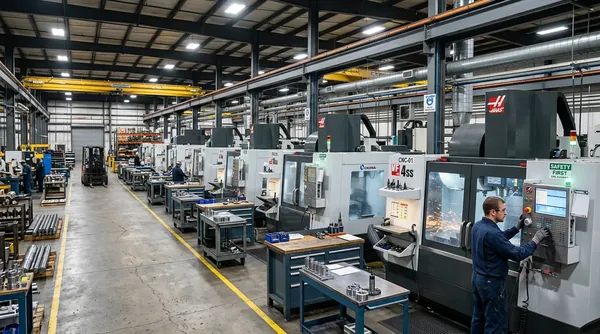
Equipment financing is asset-backed, which can make lenders more flexible than banks, but the lender still needs confidence that the payment fits your cash flow. If you’re unsure what lenders generally require, start with equipment financing requirements.
How Equipment Lenders Actually Underwrite “Ability to Pay”
Different lenders weigh documents differently, but most evaluate some mix of:
- Bank statements: Deposit consistency, balances, and existing obligations.
- Tax returns: Historical income, debt load, and stability.
- Current financials: Year-to-date P&L to show current trend.
- Equipment collateral: Resale value, age, and the lender’s internal guidelines.
- Deal structure: Down payment, term length, and payment size.
In many cases, tax returns are a “secondary” verification tool rather than the primary driver—especially for smaller tickets. Larger deals or borderline files may require deeper documentation.
The Real Problem: Lenders Can’t Tell If the Loss Is “Normal” or “Risk”
Lenders worry about three things when they see losses:
- Coverage: Does the business generate enough cash to cover the new payment plus existing obligations?
- Trend: Is the business improving, flat, or declining?
- Leverage: Is the business already carrying too much debt?
If tax returns show losses and bank statements also look thin (low balances, NSFs, volatility), you can expect stricter terms or a decline. If your statements are clean, the “loss” is often explainable.
Common Reasons Profitable Businesses Show Tax Losses
Here are the most common reasons a real, functioning business can show a tax loss:
- Depreciation / Section 179 / bonus depreciation: Large write-offs reduce taxable income even when cash flow is fine.
- Owner compensation strategy: Salary vs distributions and entity structure can change reported profit.
- One-time expenses: Major repairs, relocation, legal settlements, or a one-time marketing push.
- Growth investments: Hiring, new location, or inventory build can depress profit temporarily.
- Timing differences: Accrual vs cash basis reporting can create confusion.
The key is showing which bucket you’re in and providing a simple explanation backed by documents.
What Are “Add-Backs” (and Why They Matter)?
Add-backs are underwriting adjustments that “add back” expenses that reduce taxable income but don’t represent ongoing cash drain. Lenders use add-backs to estimate true repayment capacity.
Common add-backs:
- Depreciation and amortization: Non-cash expenses.
- One-time repairs: A major one-off event that won’t repeat.
- Owner adjustments: When properly documented and reasonable.
- Non-recurring legal/accounting expenses: One-time professional fees.
Important: Add-backs need to be credible and documented. Lenders won’t accept “creative” add-backs that aren’t supported by the return and financial statements.
Add-Back Examples (What Underwriters Often Accept)
Every lender has its own rules, but these are common add-back categories that can help a “loss year” make sense when the documentation supports it.
| Add-back type | Why it can be acceptable | What helps prove it |
|---|---|---|
| Depreciation / amortization | Non-cash expense; reduces taxable income but not cash | Return schedules, depreciation detail, YTD P&L |
| One-time repairs / replacement | Not expected to repeat annually | Invoice/receipt + brief explanation |
| One-time legal/accounting | Non-recurring professional fees | Invoice + context (deal, dispute, restructuring) |
| Expansion launch costs | Temporary margin hit for growth | YTD P&L showing improved run-rate; contracts/pipeline |
Bank vs Equipment Lenders: Why the Same File Gets Different Decisions
Banks often emphasize multi-year profitability and tax returns. Many equipment-focused lenders are more comfortable underwriting from recent bank statements and the equipment collateral. That’s why a “loss year” can be a bank decline but an equipment-lender approval.
If your deposits are stable and the equipment has strong resale value, prioritize lender programs that underwrite from statements and collateral, and use tax returns as context rather than as the entire story.
When Tax Returns Trigger a Decline (The Patterns)
Not all tax losses are equal. Denials are more likely when lenders see:
- Multi-year losses without a clear turnaround story.
- Losses plus high existing debt obligations.
- Tax returns and bank statements that don’t match the stated revenue.
- Negative trends: declining revenue year-over-year.
- Thin liquidity: low balances and repeated NSFs on statements.
If you’re already dealing with a denial, see equipment financing denied: reasons and fixes.
Short “Loss Explanation” Template
Underwriters don’t need a long explanation. A clean, factual summary reduces confusion. Here’s a template you can adapt:
- What happened: “2025 return shows a loss primarily due to depreciation/Section 179 and one-time expansion costs.”
- Why it’s not ongoing risk: “Those expenses are non-cash or non-recurring; current run-rate is stronger.”
- Proof: “See YTD P&L and last 3”6 months bank statements showing stable deposits and improved margins.—
- Why the equipment matters: “New equipment supports documented demand/contracts and increases capacity.”
When You Should Wait Before Applying
If your bank statements show repeated NSFs, thin balances, or heavy daily debits, waiting to show improved trends can matter more than explaining a tax loss. In most underwriting decisions, statements are the “live” signal and taxes are the “history” signal.
Start with bank statement red flags and stabilize deposits and balances for 60—90 days before reapplying.
What to Provide to Get Approved (Even with Losses)
If you want to improve approval odds, package your file like an underwriter would want to see it:
1) Bank statements (3—6 months)
Clean statements can offset a tax loss because they show real-time cash flow. If statements are messy, fix those first. See bank statement red flags.
2) Year-to-date P&L
A YTD P&L can show that this year is stronger than last year—especially common when last year included one-time investments or unusual expenses.
3) A short “loss explanation” summary
Keep it simple: —Loss is driven by depreciation and one-time expansion expenses; cash flow is stable as shown by deposits; new equipment supports contract growth.—
4) Proof the equipment purchase ties to revenue
Contracts, bookings, purchase orders, or client demand that the equipment supports. Lenders like “capacity expansion” when it’s documented.
5) Deal structure that fits your current profile
If the file is borderline, a higher down payment (10—20%) or slightly shorter term can improve the approval equation. See down payment requirements.
Underwriting Scenarios (How the Same “Loss” Can Underwrite Differently)
Scenario A: Paper loss, strong deposits. Tax return shows a $30k loss due to depreciation and Section 179. Bank statements show steady $80k/month deposits and healthy balances. This is often financeable because the lender sees real cash flow.
Scenario B: Loss + thin statements. Tax return shows a $50k loss. Statements show low balances, NSFs, and heavy daily debits. This often triggers a decline or requires a major structure change.
Scenario C: Turnaround year. Last year shows a loss due to expansion costs; current YTD shows profit. Lenders often lean on YTD financials and statements if the trend is clearly improving.
What If You’re a Cash Business?
Cash-heavy businesses sometimes show lower taxable income and have statements that are harder to underwrite if deposits are inconsistent. The key is consistency and documentation.
See equipment financing for cash businesses for how to document cash revenue in lender-friendly ways.
What If You’re Under 12 Months in Business?
New businesses often don’t have meaningful tax returns yet, or the returns don’t reflect current run-rate. In those cases, lenders may rely more on bank statements, owner credit, and structure.
See equipment financing under 12 months for a startup-focused plan.
Common Mistakes That Make a Loss Look Worse Than It Is
- No narrative: Submitting returns with losses without explanation forces the lender to assume the worst.
- Mismatched revenue claims: Stating revenue that isn’t supported by deposits.
- Messy statements: NSFs and thin balances are hard to overcome.
- Trying to finance soft costs: Keep equipment financing focused on the asset.
- Ignoring UCC issues: A blanket lien can kill an otherwise approvable file. See UCC lien approval strategy.
Final Thoughts
Tax returns that show a loss can slow down equipment financing—but they don’t automatically block it. The lender is trying to confirm repayment capacity. If you can demonstrate stable deposits, provide current financials, and explain add-backs credibly, you can often get approved even with paper losses. If you want help routing your file to lenders who underwrite with bank statements and collateral (not just taxable income), get matched.
How Lenders Evaluate Losses on Tax Returns
Tax losses can come from depreciation, expansion spend, seasonality, or one-time events. Equipment lenders usually do not stop at taxable income alone. They review cash availability, debt obligations, and whether losses are structural or temporary. Clear add-back logic and consistent statements help them separate accounting outcomes from repayment risk.
If you have recurring non-cash expenses, document them clearly. If losses came from growth investments, explain timing and expected stabilization. The goal is not to hide losses but to show repayment durability despite them.
Document Package for Loss-Period Applications
- Trailing bank statements with notes on large one-time items.
- Year-to-date P&L and a simple bridge to tax return figures.
- Debt schedule including payment amounts and maturity timing.
- Equipment utilization plan tied to revenue or cost-savings impact.
When these items are aligned, many loss-period files still clear underwriting because the repayment story is concrete rather than speculative.
Summary Path for Loss-Period Borrowers
Loss-period files are approvable when the repayment case is specific, documented, and consistent across tax returns, bank statements, and operating plan. Show what drove losses, what changed, and how financed equipment improves resilience. Specific numbers beat general optimism every time.
Additional Note on Add-Back Credibility
Add-backs must be specific and defensible. Label each add-back category, tie it to source documents, and avoid aggressive adjustments without support. Conservative, transparent add-backs build trust and improve approval quality.
Frequently Asked Questions
Can you get equipment financing if your tax returns show a loss?
Often, yes. Many businesses show tax losses due to depreciation and write-offs. Equipment lenders may underwrite using bank statements, current financials, and add-backs. Approval depends on cash flow, revenue stability, and deal structure.
Why do lenders care about tax-return losses?
A tax loss can signal weak cash flow or high leverage. Lenders want to confirm the business can afford the payment. If the loss is driven by non-cash expenses (depreciation) or one-time events, it may be explainable with add-backs and current financials.
What are add-backs in underwriting?
Add-backs are expenses that reduce taxable income but don’t reflect ongoing cash drain (or were one-time). Common add-backs include depreciation, amortization, one-time repairs, and certain owner adjustments—when documented.
Do equipment lenders require tax returns?
Not always. Some programs underwrite primarily from bank statements and the equipment collateral. Larger deals, newer businesses, or borderline files may require 1—2 years of business and/or personal tax returns.
What documents help if tax returns show a loss?
Helpful items include 3—6 months bank statements, a year-to-date P&L, a balance sheet, an add-backs explanation, and proof of contracts or revenue tied to the equipment purchase.