
Used vs. New Equipment Financing
Contractors can absolutely finance used equipment, but used deals are usually evaluated differently from new ones. With new equipment, lenders benefit from more predictable collateral value, dealer documentation, and manufacturer-backed market data. With used equipment, every machine tells a slightly different story. Age, hours, maintenance history, market demand, and title clarity all matter more. That does not make used deals impossible. It simply means underwriters want stronger comfort that the collateral still has recoverable value.
This is why used equipment financing should be viewed through both an asset lens and a business lens. The lender is not only asking whether the company can make the payment. It is also asking whether the machine itself is financeable on terms that make sense. That is one reason contractors should compare used equipment opportunities against both the generic used equipment financing guide and their own job needs before assuming every used purchase will finance the same way.
What Lenders and Lessors Care About
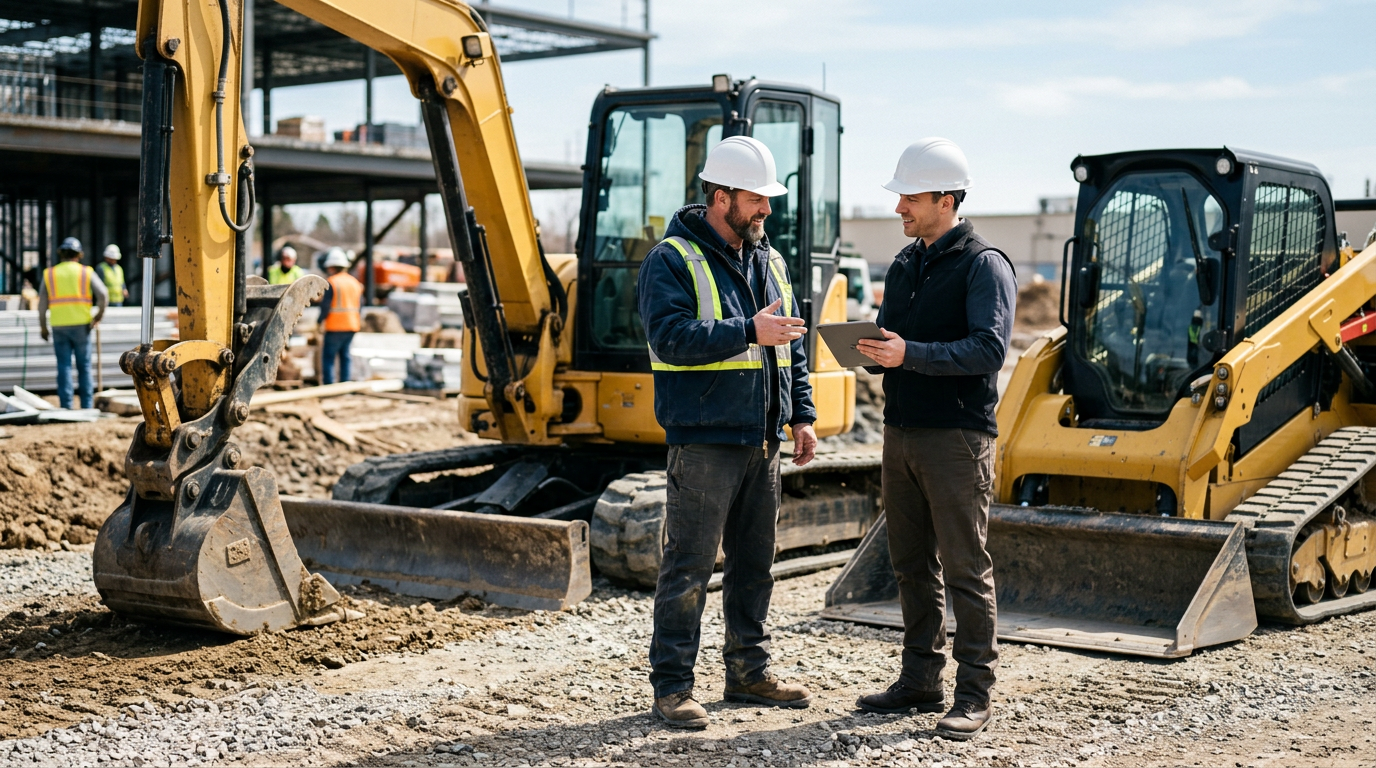
Used-equipment lenders usually focus on collateral class, age, hours, market liquidity, title status, insurance, and whether the equipment can be inspected or appraised if needed. A used excavator with clear documentation and strong resale demand will often be viewed differently than a niche machine with limited secondary-market appetite. The contractor’s own profile also matters: stable revenue, reasonable leverage, time in business, and a coherent use-of-funds story all support better outcomes.
That is why equipment-specific financing should not be separated from contractor-level underwriting entirely. The machine matters, but the company still needs to show it can support the payment. If you want a product-level starting point, see equipment financing. If the purchase is one part of a broader contractor growth or working-capital plan, it also helps to review contractor financing and construction business financing.
Credit, Time in Business, and Documentation
Credit still matters on used equipment deals, even when the collateral is strong. Lenders may review both personal and business credit, existing debt obligations, and how consistent the company’s financial reporting looks. If you need a deeper explanation of credit-score expectations, see what credit score is needed for equipment financing as well as the more contractor-specific contractor financing credit guide.
Documentation is also critical. Clean equipment quotes, serial numbers, purchase agreements, title details, insurance readiness, and proof of business stability all help. Used equipment deals usually slow down when title is messy, seller payoff details are unclear, or the borrower cannot explain why this specific machine is a sensible fit for the business.
Title, Liens, and Clean Collateral
Title problems are one of the most common reasons used-equipment financing drags or dies. A lender wants to know it can perfect its position in the collateral. If there is an unreleased lien, unclear ownership chain, or sloppy private-party paperwork, the transaction becomes more complicated. Dealers often reduce this friction because they are used to moving financed units. Private-party and auction deals can still work, but they usually require tighter attention to payoff, title release, and asset verification.
Contractors should not treat these as minor admin items. If the machine is needed for an active or upcoming job, a title delay can be more expensive than a rate difference. That is one reason some buyers prefer slightly higher-priced dealer inventory when speed and certainty matter more than the last bit of purchase-price savings.
Dealer vs. Private Party vs. Auction
Dealer purchases tend to be the simplest because paperwork is standardized and lien or payoff processes are more familiar to lenders. Private-party deals can offer better pricing but often require more diligence. Auctions can move fast on the buy side while moving much slower on the finance side if title, payment deadlines, and appraisal requirements are not aligned with lender processes. Contractors should compare not just purchase price, but total transaction friction.
In some cases, buying from a dealer with finance-friendly documentation may create a better overall outcome than chasing the absolute cheapest machine. That is especially true when the contractor needs the asset on site quickly and cannot afford weeks of closing delay.
How to Compare Quotes
The monthly payment is only one part of the comparison. Contractors should also review term length, total repayment, down-payment requirements, fees, prepayment rules, and whether the lender requires additional collateral or broader guarantees. A shorter term on a used machine may make good business sense, but only if the payment still fits normal cash flow. Use the calculator to compare offers on the same footing rather than guessing based on a monthly number alone.
It also helps to compare financing cost against the working-capital benefit of buying used instead of new. A used unit may have a higher rate but still preserve more liquidity overall because the purchase price is lower. That can matter if the company also needs cash for payroll, materials, or bonding during the same period.
When Used Equipment Is the Better Fit
Used equipment often makes sense when contractors need capacity quickly, when new lead times are too long, or when the company wants to preserve cash while avoiding the price premium of brand-new iron. It can also make sense when utilization is uncertain and the company does not want to carry a larger new-equipment obligation while testing a new service line or project profile.
Used equipment may be less attractive when reliability, warranty, or longer-term maintenance economics clearly favor new. Contractors should compare the financing decision to the operating decision. The cheapest acquisition is not always the cheapest ownership path if downtime risk is high.
Used-Equipment Underwriting Checklist
Contractors can improve approval speed by preparing for the specific friction points common in used-equipment transactions. Underwriters usually want to see clear title path, seller details, serial information, condition support, and the borrower’s ability to service the payment. If buying through a dealer, paperwork is often more standardized. If buying private-party or at auction, title and payoff verification can require extra steps. That does not make these deals bad; it just means timeline and documentation risk should be priced into the decision.
It also helps to prepare a short statement explaining how the equipment will be used and why it fits business demand. For example, adding a used excavator to reduce rental spend or to support signed work is easier to underwrite than a vague statement about growth. Lenders are more comfortable when the use case is tied to known jobs, capacity constraints, and a reasonable utilization expectation. The same logic is reflected in contractor financing mistakes: clarity and consistency often matter as much as any single underwriting metric.
Using Used-Equipment Financing with Working Capital
Many contractors do not choose between used-equipment financing and working capital. They use both, but for different purposes. Used-equipment financing can preserve cash for operating needs by spreading asset cost over time. Working capital can then support payroll, materials, and receivables gaps that continue while the equipment is being deployed. This blended approach is often healthier than paying cash for equipment and then discovering operating liquidity is too thin for active jobs.
The key is to avoid over-stacking debt without a cash-flow model. If the business adds equipment payments and also carries short-cycle operating balances, month-to-month pressure can rise quickly when one receivable is delayed. Contractors should compare total fixed burden, expected utilization, and worst-month scenarios before closing. The comparison framework in working capital vs equipment financing is useful here because it keeps product purpose clear while planning combined obligations.
Due Diligence Before Commitment
Before committing to a used-equipment purchase, contractors should validate more than price and monthly payment. Confirm serial details, maintenance records when available, title path, lien status, inspection expectations, and insurance requirements early in the process. This can prevent late-stage surprises that force expensive delays or rushed replacement choices. For some buyers, paying slightly more for better-documented collateral can be the better business outcome once time and risk are considered.
It is also smart to align purchase timing with workload clarity. Financing used equipment ahead of uncertain demand can create unnecessary pressure, while waiting too long can force emergency decisions when capacity is already constrained. Contractors usually do best when they tie asset timing to signed or highly probable work and maintain enough liquidity for startup costs outside the asset itself.
Used-Equipment Financing Red Flags
Common red flags include unclear ownership history, unresolved prior liens, missing seller documentation, unrealistic utilization assumptions, and deal structures that look affordable only under best-case revenue timing. Another red flag is ignoring total debt stack interaction. A contractor may qualify for a used-equipment payment in isolation but still become cash-tight when that payment is layered onto existing obligations and seasonal swings.
Contractors should also watch for product mismatch. If the business is using equipment financing to avoid confronting a recurring operating-cash issue, the underlying problem remains. In that case, pairing equipment financing with a clear operating-capital strategy is usually healthier than hoping asset debt alone solves liquidity timing challenges.
Post-Funding Management for Used Equipment
The financing decision does not end at closing. Contractors should manage used-equipment performance against the assumptions used to justify the deal. Track utilization, downtime, maintenance cost, and whether the asset is actually reducing rentals or increasing production as expected. If utilization is lower than planned, it may be better to adjust deployment quickly than to continue carrying payments on an underused unit. If utilization is stronger than expected, that can support future financing decisions with stronger data.
It also helps to align maintenance discipline with financing strategy. Used equipment often has more variable maintenance profiles than new equipment, so budgeting for maintenance is part of keeping the deal healthy. A payment that looked comfortable at close can become strained if unplanned downtime and repair costs are ignored. Contractors that plan both payment and upkeep usually get better long-term value from used-equipment financing.
Used-Equipment Choice and Project Margin Discipline
Used-equipment financing should be evaluated against project margin, not just against acquisition cost. A lower-priced machine may still be the wrong business choice if reliability risks create schedule slippage, labor inefficiency, or unplanned rental substitutions. On the other hand, a well-selected used asset can improve margin by lowering capital outlay while still supporting production requirements. The key is disciplined selection and honest modeling, not simply choosing the cheapest available unit.
Contractors that connect equipment choice to job economics tend to make better financing decisions over time. They understand when used equipment is a tactical advantage and when paying more for newer equipment may actually protect profitability. Financing should support that strategic decision, not replace it.
Bottom Line
Yes, contractors can finance used equipment, and many do. The best used-equipment deals usually involve clear title, strong documentation, reasonable asset age and hours, and a contractor whose business profile supports repayment. Used financing should be compared not only to new-equipment financing but also to the company’s broader working-capital needs. Preserving cash for operations can be just as important as getting the machine itself. For more context, review equipment financing, the broader contractor financing hub, and then get matched if you want help comparing actual lender options.