
Updated April 8, 2026
Quick answer
Use a commercial bridge loan when speed beats coupon: competitive acquisitions, lease-up gaps, value-add repositioning, or refinancing a maturing note before permanent debt locks in. Bridge loans typically close in 7-21 days versus 45-90 days for SBA or conventional CRE, require 25-40% equity (60-75% LTV), and run 6-24 month terms. They only work with a credible exit — refinance, sale, or stabilization. No exit, no bridge.
When You Need to Close Quickly
Speed is the primary reason many sponsors turn to bridge financing. Commercial real estate transactions often have tight deadlines–contract expiration dates, seller demands, or competitive pressure. In these situations:
- A seller requires fast execution–some sellers won't extend a contract; if your permanent loan won't close in time, bridge financing may be the only way to preserve the deal
- A competitive acquisition needs quick certainty–in competitive markets, all-cash or fast-close buyers have an advantage; bridge loans can help you compete by providing certainty of close
- Traditional underwriting timelines are too long?SBA and conventional CRE loans typically take 45-90 days; bridge loans can close in 7-21 days when documentation is in order
When Your Permanent Loan Is Delayed
- SBA or conventional loan review is still in process
- Appraisal or environmental conditions are pending
- You need interim capital to avoid losing the transaction
Commercial bridge loans can close in 7-21 days in many cases, whereas SBA loans and conventional CRE financing often take 45-90 days. See how fast bridge loans can close for typical timelines by stage.
When Refinancing a Maturing Loan
- An existing note is near maturity
- You need time to secure improved long-term terms
- Immediate payoff pressure requires a temporary solution
Bridge financing can replace a maturing loan while you line up permanent debt or a sale. Lenders will evaluate your exit strategy closely; what lenders look for in a commercial bridge loan includes a clear refinance or sale path.
When a Property Needs Stabilization
Conventional and SBA lenders prefer stabilized assets–properties with established occupancy, consistent cash flow, and minimal near-term execution risk. If your property is in transition, bridge financing can provide capital while you complete the business plan:
- Lease-up is incomplete–vacancy is higher than permanent lenders will accept; bridge financing gives you time to lease up before refinancing
- Renovations or repositioning are in progress–capital improvements may improve value and cash flow; bridge loans can fund the acquisition and initial work, with refinance once the property performs
- Cash flow is improving but not yet optimized for conventional debt–trailing numbers may not support permanent loan sizing; bridge lenders underwrite to projected stabilized performance
Lenders will want to see a credible path to stabilization and a clear exit into permanent debt or sale. See what lenders look for in a commercial bridge loan for underwriting criteria.
When You Plan to Refinance Within 6-24 Months
Bridge debt is often appropriate when you have a clear refinance plan and defined timeline to permanent financing. Bridge loans are not meant to be held long-term; they carry higher rates and shorter maturities. If you know you'll refinance into SBA 504, conventional CRE, or another permanent structure within 6-24 months, bridge financing can bridge that gap. Compare bridge vs SBA loan to understand how the two structures work together in a bridge-to-permanent strategy.
When Equity Exists in the Property
Strong collateral and meaningful equity can support bridge approvals, even in time-sensitive situations. Bridge lenders typically require 25-40% equity (60-75% LTV). If you have significant equity from a prior purchase, appreciation, or principal paydown, you're in a stronger position. Equity cushions the lender against value declines and demonstrates your commitment to the deal.
When Traditional Banks Say No (Temporarily)
Traditional banks and SBA lenders have strict underwriting standards. They may decline a deal due to occupancy, credit, cash flow, or documentation gaps. Bridge lenders may still execute if asset quality, exit strategy, and sponsor liquidity are strong. Bridge financing is not a workaround for fundamentally weak deals–it is a tool for viable transactions that need speed or interim capital while permanent financing is arranged. If banks have said no, understand why; bridge lenders will still need a credible exit and solid collateral.
When a Bridge Loan Is Not Appropriate
Bridge financing isn't right for every situation. Avoid bridge loans when:
- No clear exit strategy–lenders need to know how you'll repay; without a refinance or sale path, approval is unlikely
- Weak collateral and low liquidity–bridge lenders are asset-focused; poor property quality or thin equity makes approval difficult
- Borrowers unable to absorb short-term cost structure–bridge loans carry higher rates and fees than permanent debt; if you can't afford the carry cost, consider waiting for permanent financing or alternative structures
In some cases, working capital or business line of credit may better serve short-term needs without the real estate collateral requirement.
Risk Considerations
- Higher rates and fees than permanent debt
- Short maturities require active execution
- Refinance risk if market conditions change
Real-World Example
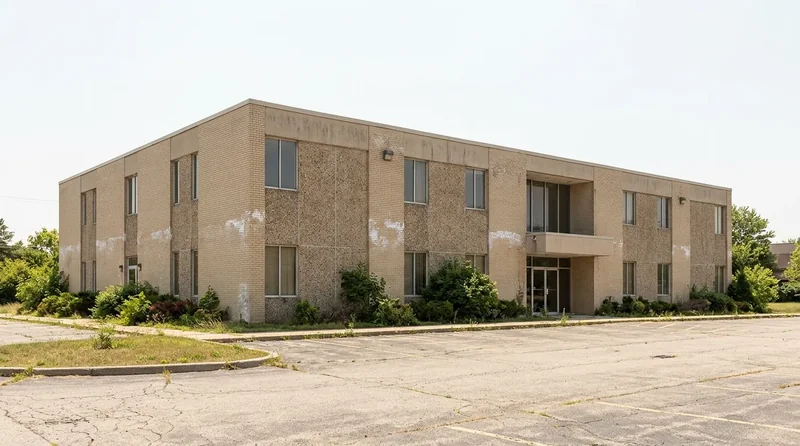
A sponsor under contract to acquire a value-add office asset uses bridge financing to close quickly, completes lease-up improvements, and refinances into long-term debt after stabilization. The bridge loan provided certainty of close while permanent SBA 504 or conventional financing was arranged. This bridge-to-permanent strategy is common and aligns with lender expectations for transitional deals.
Preparing Your Bridge Loan Application
To improve approval odds and speed, organize your property information, exit strategy, and financials upfront. Bridge lenders prioritize collateral quality and sponsor liquidity. If your property is owner-occupied and you plan to refinance into SBA, confirm that your timeline and property condition will support that exit before committing to bridge debt. For a detailed checklist of what lenders evaluate, see what lenders look for in a commercial bridge loan. Submitting a complete package can significantly reduce closing time.
Minimum Loan Amount
Commercial bridge loans typically start at $10,000 and scale with property value and qualification.
Final Thoughts
A bridge loan is most effective when speed, flexibility, and certainty of close matter most and your exit strategy is realistic. Review current commercial bridge loan options and compare typical lender criteria before applying.
Sources & Further Reading
- SBA 7(a) Loan Program — Official terms, eligibility and the $5 million program maximum for the SBA's primary business loan.
- Federal Reserve Senior Loan Officer Opinion Survey — Quarterly survey of bank lending standards, including commercial real estate and business loans.
- Federal Reserve Small Business Credit Survey — Survey data on how small firms apply for and receive credit: approval rates, funding speed and reasons for denial.
Rate, fee, and policy figures cited above reflect current published guidance as of the article publication date. Always confirm current figures with the cited source or your lender before acting on financing decisions.
Frequently Asked Questions
When should you use a commercial bridge loan?
When speed beats coupon: competitive acquisitions, lease-up gaps, value-add repositioning, or refinancing a maturing note before permanent debt locks in.
How fast and how much for a commercial bridge loan?
Bridge loans typically close in 7-21 days versus 45-90 days for SBA or conventional CRE, require 25-40% equity (60-75% LTV), and run 6-24 month terms.
Do you need an exit strategy for a bridge loan?
Yes. Bridge loans only work with a credible exit such as a refinance, sale, or stabilization. No exit, no bridge.
When is a bridge loan the right call over permanent financing?
When your permanent loan is delayed, you're refinancing a maturing note, or a property needs stabilization before it can qualify for permanent debt.