
Updated April 8, 2026
Quick answer
Industrial and warehouse properties are readily financeable through three main paths. SBA 504 owner-occupied: 10% down, 20-25 year fixed rates on the CDC portion, with bank/CDC/borrower split of 50/40/10. Conventional CRE: 20-30% down, terms of 5-25 years. Bridge: 25-35% down, closes in 7-21 days when timing is urgent. Lenders evaluate clear height, dock count, truck-court depth, power capacity, highway access, and Phase I environmental status. Manufacturing and warehouse uses are explicitly SBA-eligible.
Why Industrial and Warehouse Properties Are Financeable
Industrial real estate is considered essential infrastructure. Lenders understand manufacturing, distribution, and logistics as stable business uses. Owner-occupied industrial qualifies for SBA 504 (10% down, long-term fixed rates) and conventional CRE. The asset has clear utility and, when owner-occupied, strong alignment between the business and the real estate. See SBA loan for owner-occupied commercial property and logistics and warehousing business financing.
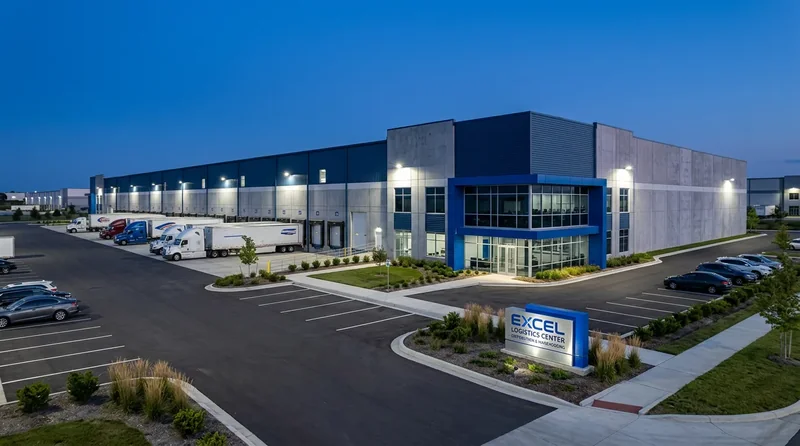
SBA 504 for Industrial and Warehouse
SBA 504 fits owner-occupied industrial well. Structure: 50% bank, 40% CDC, 10% borrower. You put 10% down and get 20–25 year fixed rates on the 504 portion. SBA 504 can finance acquisition, construction, and renovation. Manufacturing and warehouse uses are explicitly eligible. See SBA 504 vs conventional CRE.
Conventional CRE for Industrial
Conventional lenders finance industrial for qualified borrowers. Typically 20–30% down. Terms of 5–25 years. Strong credit and business cash flow support approval. Industrial may have specialized features (clear height, cranes, heavy power) that affect value and underwriting. See what credit score is needed for a CRE loan.
Property Types: Manufacturing vs Warehouse vs Flex
| Type | Typical Use | Financing Notes |
|---|---|---|
| Manufacturing | Production, assembly | May have specialized build-out; SBA 504 common |
| Warehouse / distribution | Storage, fulfillment, logistics | Clear height, docks important; both SBA and conventional |
| Flex / R&D | Office-warehouse hybrid | Mixed use; may have office component |
Key Property Metrics Lenders Evaluate
For industrial and warehouse, lenders consider:
- Clear height: Ceiling height for storage and equipment. Higher clear height generally supports value.
- Dock doors and truck courts: Loading capacity affects functionality and rentability.
- Location: Highway access, labor market, proximity to customers or suppliers.
- Power and utilities: Ample electrical, HVAC for manufacturing or cold storage.
- Environmental: Phase I assessment; contamination can affect financing.
See what lenders look for in a CRE loan.
Bridge Loans for Industrial
When timing is urgent, bridge loans close in 7–21 days. Use bridge to acquire, then refinance into SBA or conventional. See bridge loan for commercial property acquisition.
Typical Down Payment and Terms
SBA 504: 10% down. Conventional: 20–30%. Bridge: 25–35%. See down payment for commercial property loans.
Build-to-Suit and Construction
SBA 504 and conventional programs can finance build-to-suit industrial. Construction loans fund the build; permanent financing pays off at completion. Some lenders offer construction-to-permanent. Discuss with your lender. See manufacturing business financing.
Environmental Considerations
Industrial sites may have environmental history (prior manufacturing, storage). Lenders typically require a Phase I environmental assessment. Contamination can affect value and financing. Address any issues before closing.
Bottom Line
Industrial and warehouse properties are readily financeable through SBA 504, conventional, and bridge programs. Owner-occupied industrial gets favorable terms. Prepare business financials, property details, and a clear use of funds. Get matched with CRE lenders for industrial and warehouse, or explore commercial real estate loan options.
A worked example: SBA 504 on a warehouse
Consider a distributor buying a $3 million warehouse to owner-occupy. An SBA 504 structures it roughly 50% bank loan, 40% SBA debenture, and 10% borrower equity — so about $300,000 down funds a long-term, low-fixed-rate purchase, far less than the 20–30% a conventional industrial loan would require. The lender underwrites the building’s clear height, dock and drive-in access, power, and the surrounding industrial market, plus the strength of your operating business since you occupy the space. For owner-users the 504’s low down payment is usually the deciding advantage; investors leasing the building out lean conventional or CMBS instead.
Frequently Asked Questions
How do you finance an industrial or warehouse property?
Owner-occupied industrial fits an SBA 504 with as little as 10% down; investors and larger deals use conventional CRE or CMBS at 20–35% down; and lease-up or value-add buys use bridge loans.
How much down payment for a warehouse?
An SBA 504 can go as low as about 10% for owner-occupants; conventional industrial loans typically want 20–30%. The lower SBA down payment is why owner-users favor it.
What do lenders evaluate on industrial property?
Clear height, dock and drive-in access, power and column spacing, the local industrial market, and — for owner-occupied deals — the financial strength of the business using the space.
Are there environmental concerns financing industrial real estate?
Often. Lenders may require a Phase I environmental assessment on manufacturing or older industrial sites, and any contamination findings can delay or reshape the financing until resolved.
Can I get an SBA loan for industrial property?
Yes. SBA 504 and 7(a) finance owner-occupied industrial and warehouse property. Your business must occupy 51%+ of the building. Manufacturing, distribution, logistics, and warehousing are common use cases.
What down payment for industrial warehouse CRE?
SBA 504 typically requires 10% down. Conventional may require 20-30%. Down payment depends on credit, property quality, and lender.
Industrial vs warehouse - different financing?
Both are industrial asset types. Manufacturing facilities may have more specialized improvements. Distribution warehouses may have higher clear heights and dock doors. Lenders evaluate both; terms are similar for owner-occupied.
What do lenders look for in industrial CRE?
Clear height, dock doors, truck courts, location (highway access, labor market), tenant/business stability, and environmental condition. Owner-occupied industrial is evaluated on business cash flow and property fundamentals.
Can I finance a build-to-suit industrial?
Yes. SBA 504 and conventional construction-to-permanent programs finance build-to-suit industrial. You may need a construction loan first, then permanent takeout, or a single construction-permanent structure.